
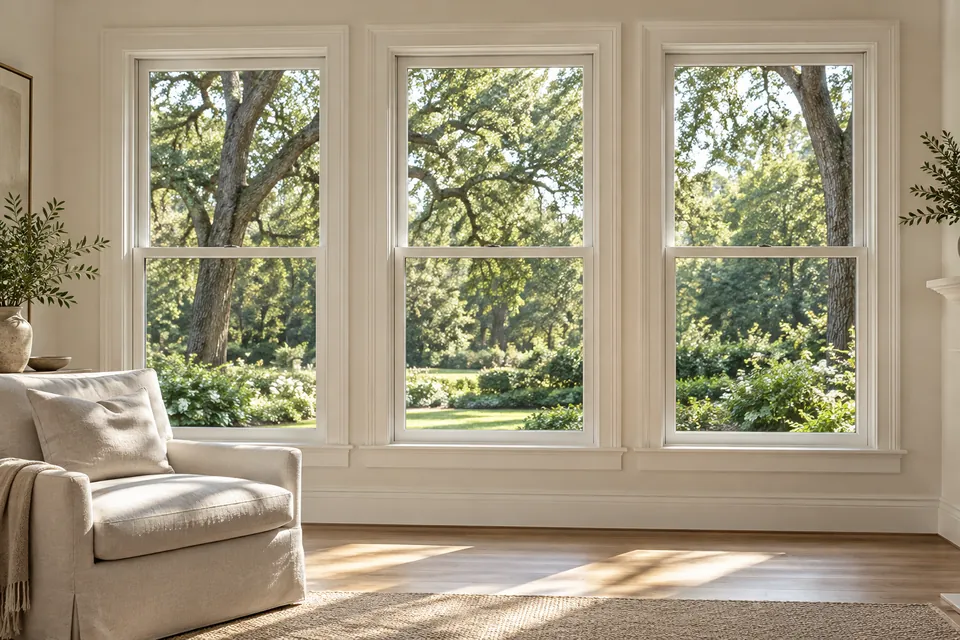

The window you stop trying to open
Project at a glance
- Area
- Pawleys Island, South Carolina
- Project
- Six replacement windows
- Selection
- OKNA 800 Series; SunSeal tempered glass recorded in the project selection
- Starting concern
- Windows not opening or closing properly; sash/frame concerns recorded at assessment
A window can look perfectly at home in a room and still be the one you leave alone. You know which one takes an extra push, which lock is awkward, or which sash no longer seems to sit as it should. Those everyday details are a useful place to begin a replacement conversation.
At this Pawleys Island home, the initial request included windows that would not open or close properly. Our Contract Exteriors assessment also recorded separation involving some existing window sashes and frames. The concern gave the consultation a specific starting point: the condition and operation of the windows already in the house.
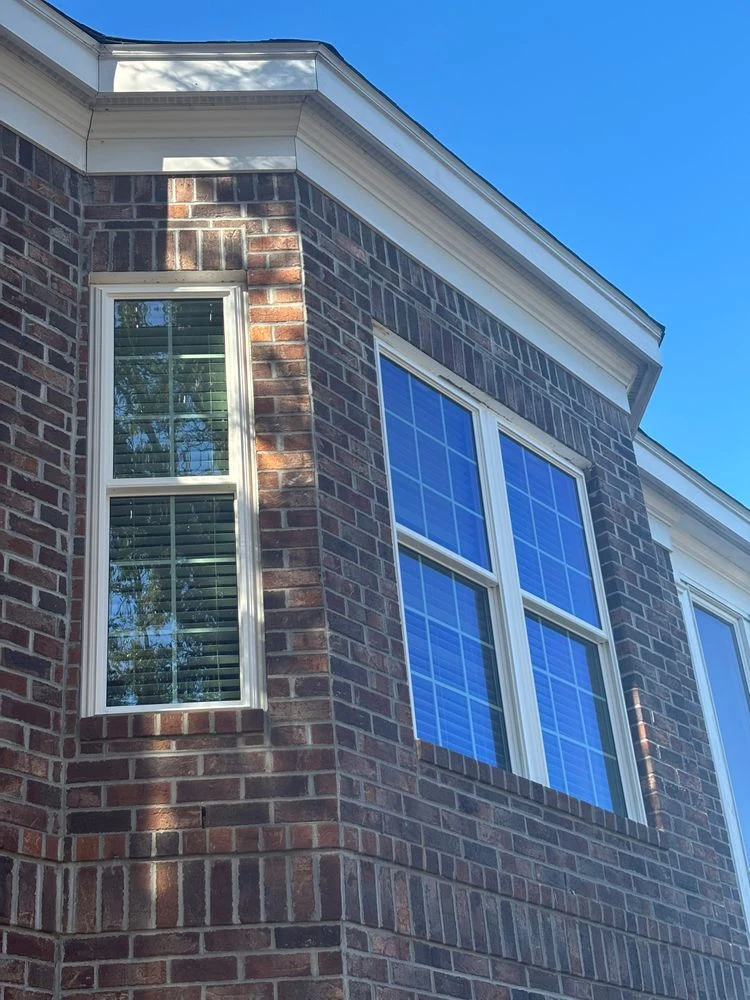
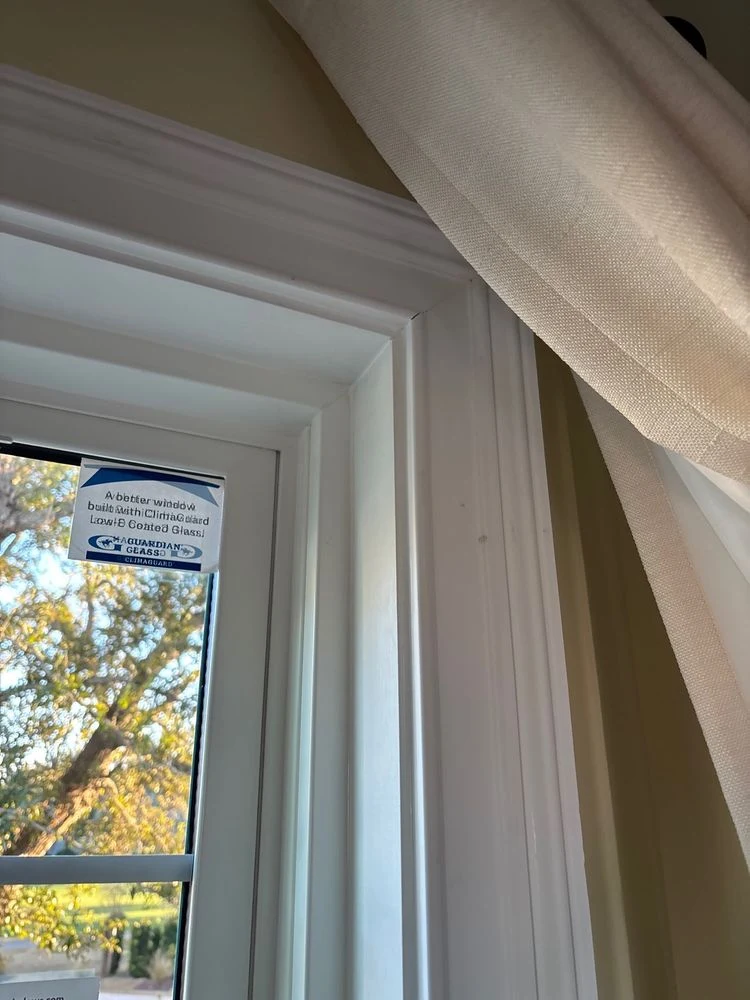
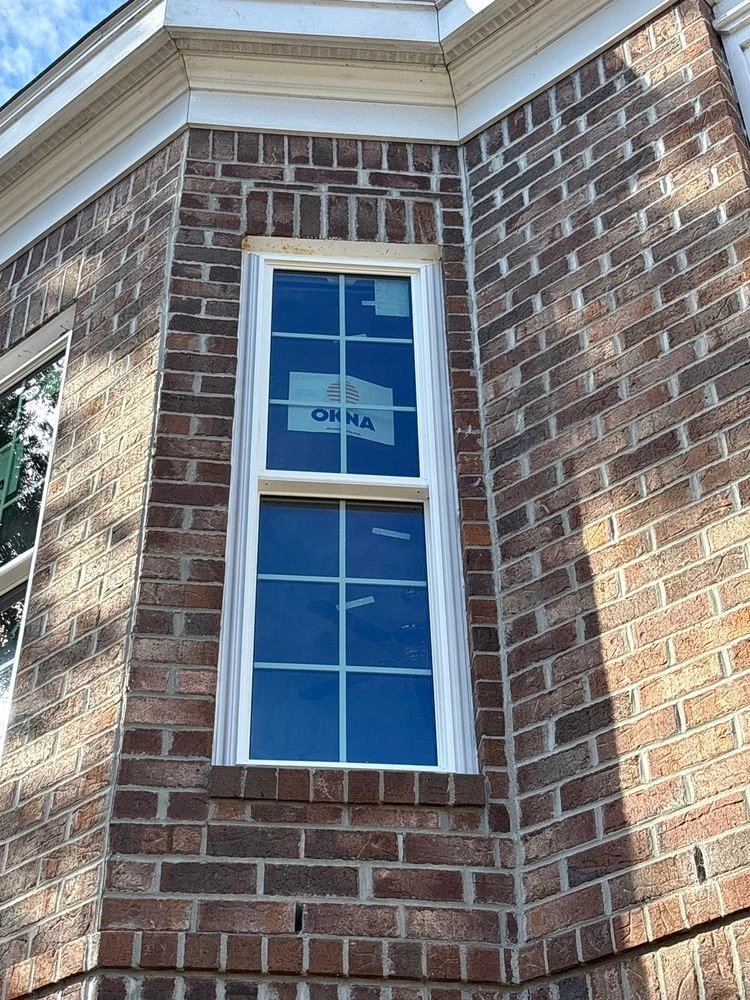
The completed project included six replacement windows, with OKNA 800 Series and SunSeal tempered glass recorded in the selection. Our team completed the contracted window work and closeout. The photographs show white frames and grid patterns within the home’s brick exterior, along with interior trim details.
For another homeowner, the useful lesson comes before choosing a brand: describe what the window does when you use it. A product sample becomes more helpful once the problem and the replacement scope are clear.
Does a hard-to-open window always need replacement?
No. Difficulty opening or closing is a reason for an assessment, not proof that every window needs replacing. The condition of the window, its hardware and the surrounding opening should inform the proposed scope.
On this home, operating complaints and the observed sash/frame concerns led into a replacement project. That is a documented decision for this property, rather than a diagnosis of another window that happens to stick.
Before your consultation, make a room-by-room list. Note which windows are affected, whether the problem involves opening, closing or locking, and what visible changes you have noticed. Photographs can help explain the concern without asking you to name the failed component.
Use our window replacement planning guide to organize the assessment and compare complete proposals. Keep the windows’ condition separate from the appearance changes you would also like to make.
| What you notice | What to describe | What the proposal should explain |
|---|---|---|
| Difficult opening or closing | Identify the room and the part of the operation that is troublesome. | What was assessed and why the proposed scope fits the findings. |
| A sash or frame looks separated | Photograph the visible area and point it out during the visit. | Which components are being replaced and how the surrounding opening is handled. |
| Several windows need attention | List the affected openings individually. | The exact units included, their configurations and any exclusions. |
| You also want a different look | Show the frames, grids and trim you like. | How the proposed selections will look from inside and outside. |
What does the sash have to do with the decision?
The sash is the part that holds the glass. In an operable window, a movable sash is the assembly you use to open or close the window. The frame surrounds the window assembly. Knowing those two words can make the consultation easier to follow.
A problem involving the sash is different from simply wanting a new glass option. When a contractor explains the proposal, have them identify the parts they mean on your actual window. You should be able to connect the explanation to what you can see.
Then work outward. Does the proposal cover a complete window unit? What happens to the interior trim and exterior finishes? How will findings at the opening be documented and presented for approval?
Our project planning resources can help keep those responsibilities together. The goal is a proposal you can understand and compare.
Choosing the new window for the room you use
Compare operation, reach, hardware and cleaning access alongside the glass and frame appearance. A showroom demonstration is a chance to try the controls you will use at home.
The selected product family here was OKNA 800 Series. OKNA offers several configurations within that line, and its DH800 information describes the double-hung hardware and tilt-latch features. Ask to see the exact operation and configuration being proposed, rather than assuming every window carrying the series name works the same way.
Think through an ordinary day in that room. Where do you stand to reach the handle? Will a blind or curtain be in the way? Can you comfortably use the lock? Have the contractor demonstrate the proposed unit and explain its care instructions.
Our OKNA window guide provides a starting point for the product conversation. Bring your room-by-room list with you so the demonstration answers the problems that prompted the visit.
Sources: OKNA: Enviro-Star 800 Series · OKNA: DH800 double-hung window
Keep the brick, trim and grids in the same picture
Review the replacement window from both sides of the wall. Frame color, grid pattern and trim affect the room and the exterior at the same time.
The exterior photographs from this project show white window frames set against brick, with repeated grid lines across the glass. Inside, light trim continues around the opening. Those familiar details help explain why a window choice deserves more than a quick look at a glass sample.
For your home, take an exterior photograph that includes the whole window group, then another from inside the room. Review the proposed pattern and frame appearance against both views. If other windows are staying, include them in the comparison.
Put the configuration for each opening in writing. The picture is useful for the design conversation; the written selection is what keeps that conversation connected to the order.
Where do energy ratings fit into the comparison?
Request the U-factor and solar heat gain coefficient, or SHGC, for the exact configuration being quoted. They answer different questions from how a window opens and locks.
The U.S. Department of Energy explains that a lower U-factor indicates better insulating performance. A lower SHGC means less solar heat passes through the window. Those are product-comparison tools, not a calculation of what this homeowner saved.
For this project, the recorded glass selection is part of the documented scope. We do not have a weather-normalized before-and-after energy study, so this story makes no utility-bill savings claim.
Keep the comparison practical: identify the proposed glass package, get the corresponding ratings, and discuss the rooms and exposure at your home. A familiar brand name should not replace the specifications for the actual units.
Sources: U.S. Department of Energy: Guide to Energy-Efficient Windows
A Pawleys Island planning check before the order
Confirm the authority responsible for your property before deciding what approvals the replacement work needs. A Pawleys Island mailing address alone does not establish the permitting jurisdiction.
Georgetown County’s Building Department states that it issues permits, reviews plans and inspects construction in the county’s unincorporated areas. If that is the responsible authority for your address, use its current guidance to discuss your precise scope. A property within a municipality may have a different starting point.
The proposal should say who handles any required approvals and inspections. Have applicable association requirements checked early as well, especially when the visible configuration or exterior appearance will change.
Our Myrtle Beach and Grand Strand resources connect this story with regional planning information. Use the actual property and proposed work to settle the requirements; a general location does not establish a flood zone, exposure or impact rating.
What to check at the walkthrough
Before the project closes, have the crew demonstrate the installed windows’ operation and review the finish work included in the agreement. It is a good time to ask the questions that came up during construction.
For this window project, closeout documentation records a completed quality walk and completion of the contracted scope. The finished photographs give the planning decisions a visible result, from the white frames against the brick to the trim seen inside the rooms.
Bring your original room-by-room list to your own walkthrough. Review the included windows, ask about the operating and cleaning instructions, and make sure any remaining items have a clear written plan. Keep product and workmanship documents together for future reference.
Bring these five questions to your consultation
- What has changed? Describe how each affected window opens, closes or locks, and point out visible concerns.
- What did the assessment find? Have the contractor connect the proposed work to the actual condition.
- What exactly is included? Identify each opening, configuration, glass package and surrounding finish scope.
- How will I use the new window? Try the controls and discuss reach, coverings and cleaning access.
- How does the project finish? Clarify approvals, additional findings, the walkthrough and care and warranty documents.
A useful starting point for your own windows
This Pawleys Island project began with a practical concern: windows that were not operating as the homeowner expected. The replacement selection and completed scope followed that assessment.
If there is a window you have stopped trying to open, start by explaining why. You do not need the right trade term or a finished design board. A clear description of the problem gives the next conversation something useful to work on.
A FEW MORE ANSWERS
Questions homeowners ask
Does a window that sticks always need replacement?
No. Have the condition of the window and surrounding opening assessed before choosing the scope. Difficulty operating alone does not establish what needs replacement.
What is a window sash?
The sash is the part that holds the glass. In an operable window, the movable sash is the assembly used to open or close the window.
What was selected for this Pawleys Island project?
The documented project included six replacement windows, with OKNA 800 Series and SunSeal tempered glass recorded in the selection.
Will replacement windows lower my energy bills?
The result depends on the existing windows, selected configuration, installation and the home. This project has no measured before-and-after household savings result. Request the U-factor and SHGC for the units being quoted.
What should I compare besides the window brand?
Compare the exact style, glass package, operation, frame and grid appearance, work around the opening, finishes, approvals and the process for additional findings.
Sources and review
Prepared from matched Contract Exteriors records and CompanyCam photographs for the original six-window project. The completed scope and closeout were checked separately from later work for the same homeowner, with no unresolved window issue identified in the reviewed later history. Photo permission is recorded. Customer identity, exact address, signatures, private circumstances and financial information are withheld. Photographs show visible conditions; they do not establish a cause of failure, concealed installation quality, an impact certification or measured energy savings.
- OKNA: Enviro-Star 800 Series — Manufacturer line and available configurations; checked October 22, 2026. Not a statement of measured results at this home.
- OKNA: DH800 double-hung window — Product operation, hardware, grid and glass options; checked October 22, 2026. Optional features are not assumed installed.
- U.S. Department of Energy: Guide to Energy-Efficient Windows — U-factor and solar heat gain coefficient definitions; checked October 22, 2026. No household savings estimate used.
- Georgetown County: Building Department — Department functions and responsibility for unincorporated areas; checked October 22, 2026. Confirm jurisdiction and scope-specific requirements for the actual address.
Editorial review details
Reviewed for Contract Exteriors by Bill Schum, Marketing Director, Contract Exteriors, on October 22, 2026. Scope: Editorial oversight under Bill Schum’s delegated quality checks; AI-assisted research, evidence matching, revision and reread. No personal site attendance, technical diagnosis or specialist certification is claimed..
Our sourcing and corrections standards · Report a correction
Related planning resources
Explore documented project stories
windows · planning · okna · myrtle beach