
When does choosing Hardie over vinyl make sense?
You’ve started looking at James Hardie siding, and now you’re picturing your own house with a different color, a deeper woodgrain or a fresh mix of profiles. Then the practical questions arrive. What would you gain by changing materials? What would the upkeep look like? And what happens to the parts of the exterior that stay?
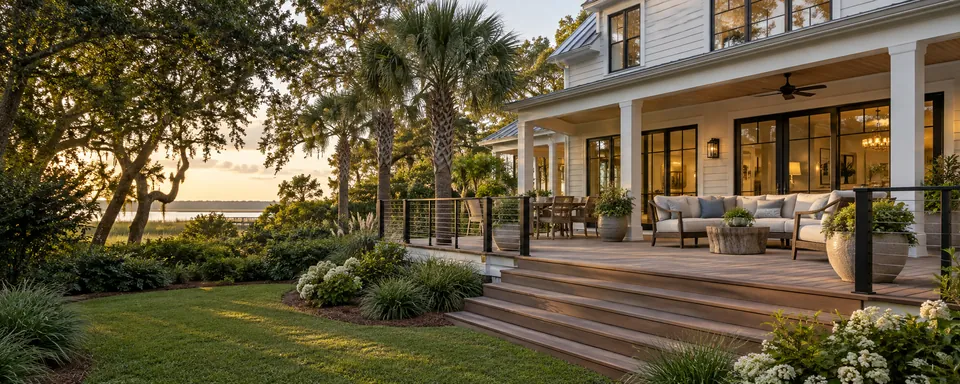
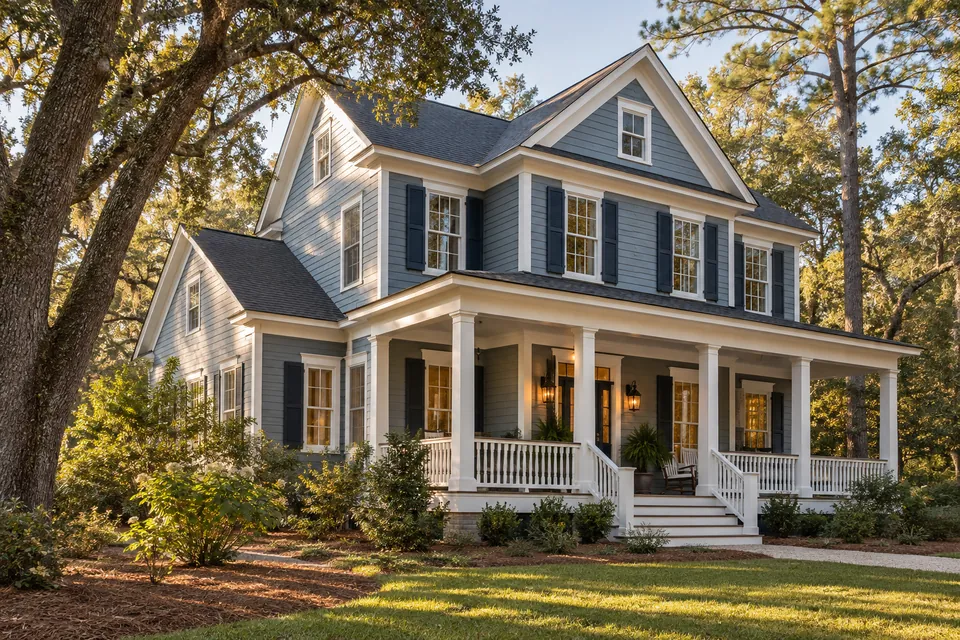
James Hardie is worth a close look when you want to change the character of your exterior and value fiber cement’s resistance to moisture and rot. Its lap, vertical and shingle options give you several ways to approach that design. You’ll also want to understand the proposed painted finish, its care and the installed cost before making the choice.
Two local Contract Exteriors examples help put that decision in perspective: a homeowner who explored Hardie and insulated vinyl during a consultation, and another whose initial interest in Hardie led to a completed CertainTeed vinyl project. Both are in Carolina Forest’s 29579 area. Their choices give us a way to discuss the decision without assuming every house needs the same answer.
What are the main differences between Hardie and vinyl?
The sample comparison is where the options start to become real. Look at the depth of the profile, the texture and how each finish sits beside your existing windows and brick. CertainTeed’s MainStreet vinyl line includes clapboard, Dutch lap and beaded styles, so bring the exact vinyl sample into the conversation alongside the proposed Hardie product.
Upkeep deserves the same attention as appearance. Hardie siding has a painted finish, whether factory finished or painted on site. Care depends on the product, finish and exposure. CertainTeed describes MainStreet vinyl as a product that does not require painting. Both manufacturers provide cleaning instructions, so include those in your comparison.
Our James Hardie guide and vinyl siding guide can help you explore each material before the consultation. Use the table below to organize the questions you want answered.
| Decision | James Hardie fiber cement | Vinyl siding |
|---|---|---|
| Material and look | Fiber cement; compare the proposed lap, vertical or shingle product and its finish | Vinyl; compare the specific panel profile, texture and color |
| Finish care | Review the care and future paint needs of the specified factory or site-applied finish | MainStreet avoids routine painting; follow the product’s cleaning guidance |
| Proposal comparison | Check the wall areas, trim, finish work and preparation included | Check the same areas and work; identify whether the proposed vinyl is standard or insulated |
| Local planning | Check the proposed product, profile and color against your association’s requirements | Check those same requirements for the exact vinyl product and color |
Sources: James Hardie: What is fiber cement siding? · CertainTeed: MainStreet vinyl siding
What did two Carolina Forest homeowners compare?
In one consultation, a homeowner with existing vinyl asked about a James Hardie reside after reporting concerns around windows and changes in the siding’s shape. The conversation later included insulated vinyl. This was a material-selection discussion, rather than a completed Contract Exteriors installation. For a reader starting from a similar concern, it shows why the consultation needs to address both the existing condition and the replacement options.
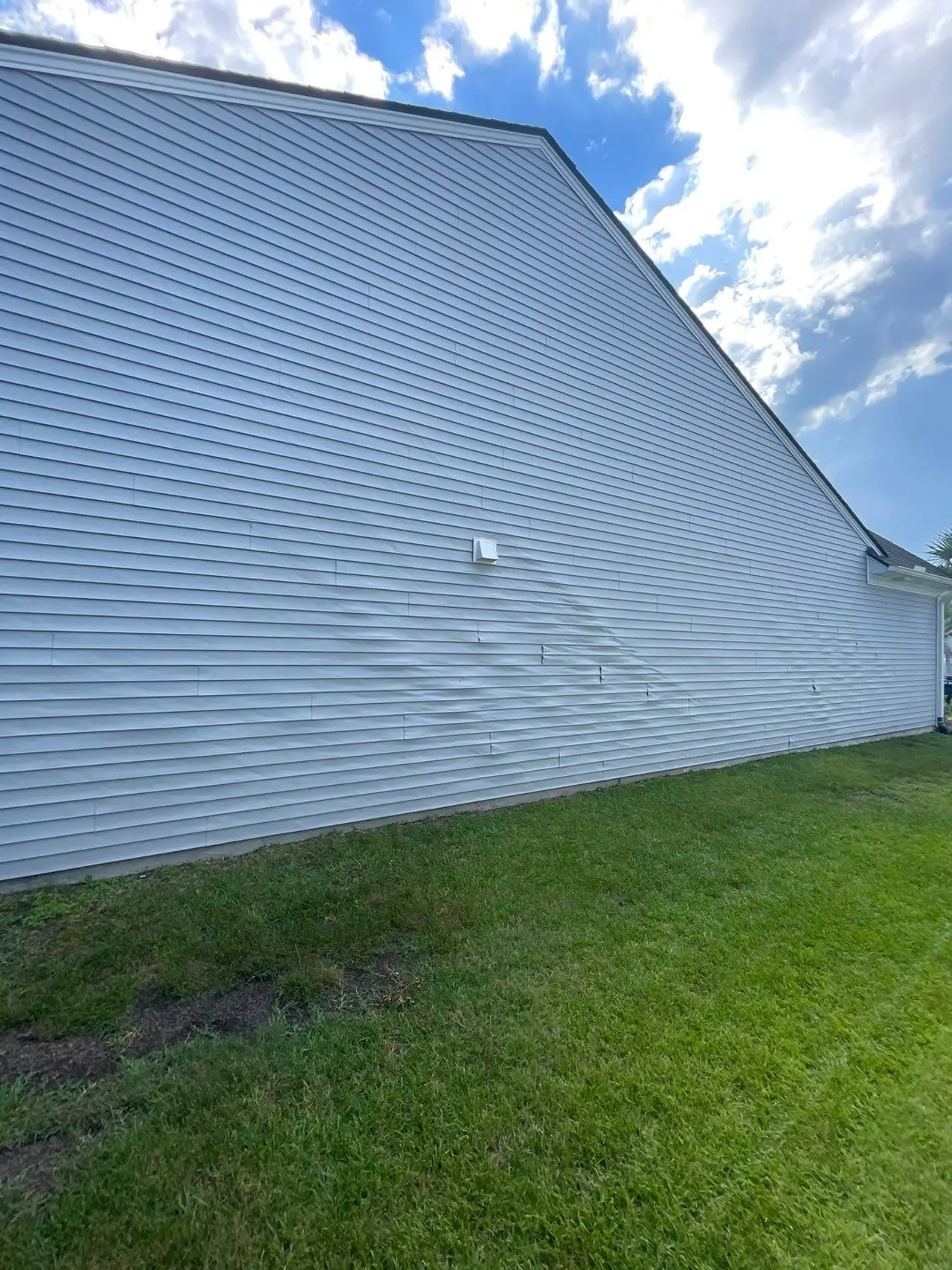
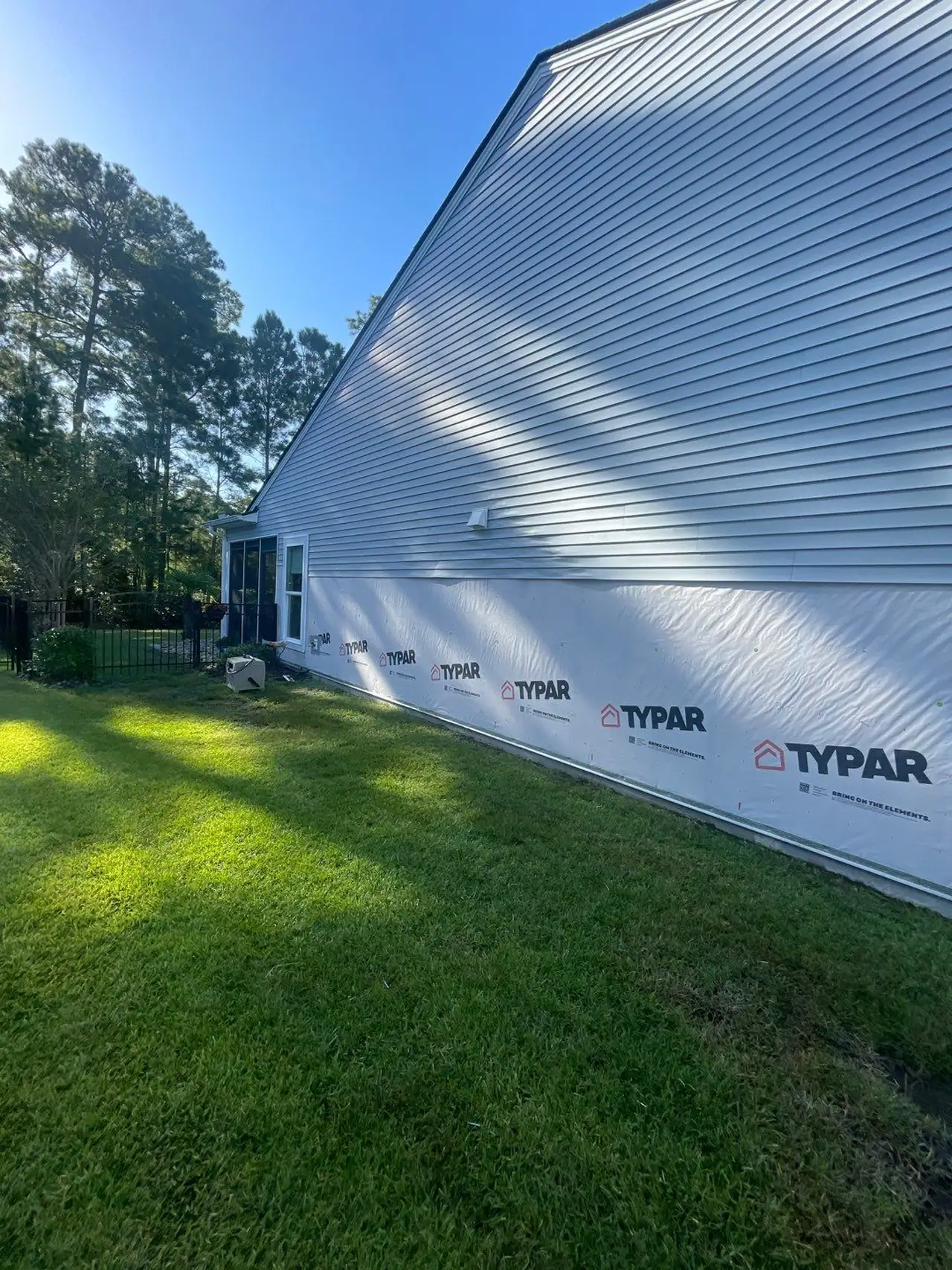
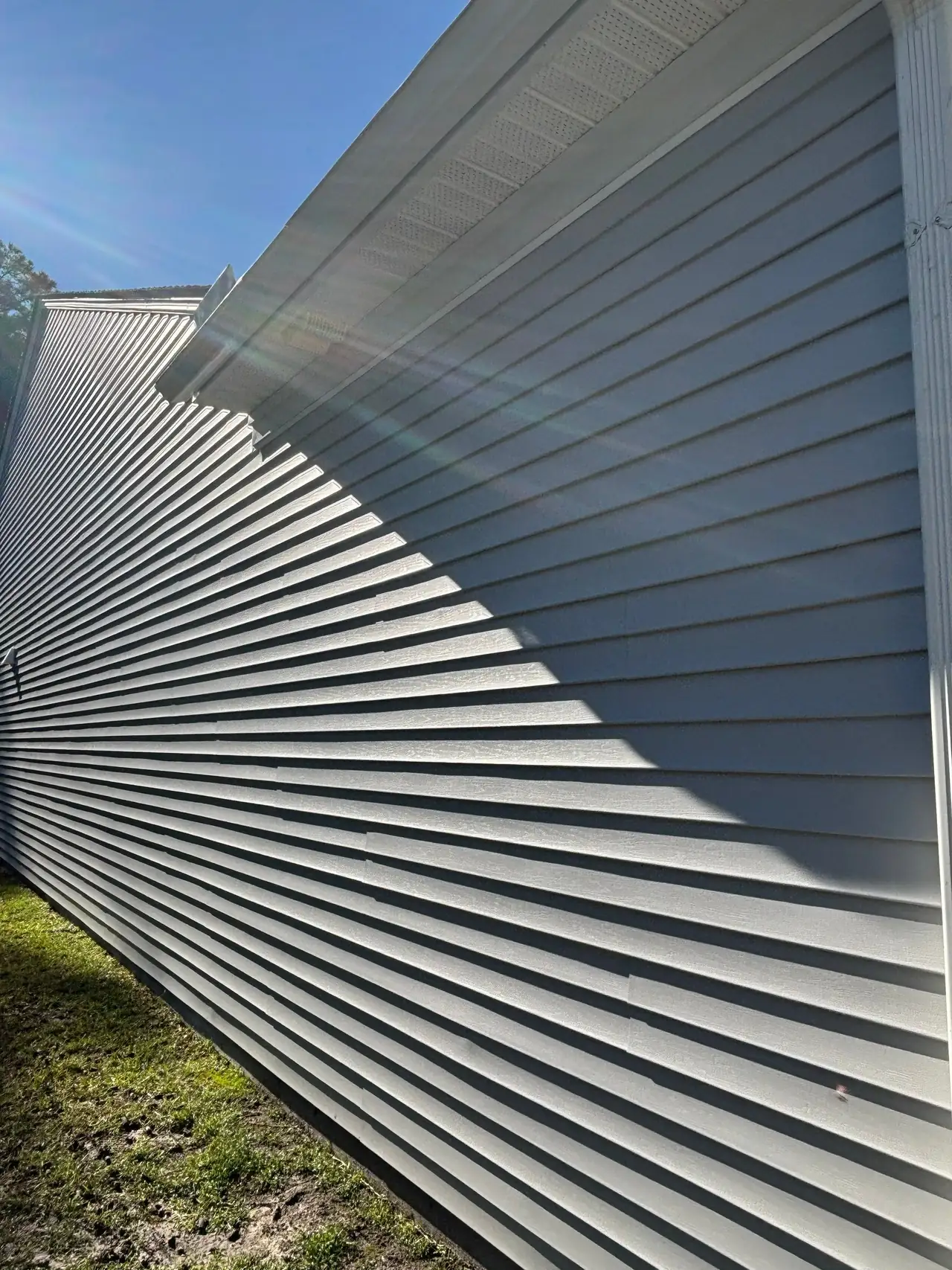
The second example began with interest in Hardie for a wall replacement. The completed project is recorded as CertainTeed MainStreet vinyl in Sterling Gray. The photographs in this guide follow that project from the original exterior through work in progress to the finished siding.
These examples bring the comparison back to the house. A homeowner reporting a concern needs an assessment of that concern alongside the material discussion. A homeowner changing one wall also needs to see how the replacement will fit the retained exterior. For your own Hardie proposal, keep those questions beside the sample and the price.
Is James Hardie always more expensive than vinyl?
Start with an installed estimate for each option. James Hardie’s general guidance places its lap siding above vinyl in installed price, while also noting that prices vary by market. That’s useful background, but a specific insulated vinyl system and a standard vinyl product are different comparisons.
Ask for proposals that cover the same elevations and explain the siding product, trim, removal, preparation and finish work. If one proposal includes more surfaces or a different trim package, work through those differences before deciding which price represents the better fit.
Bring your priorities into that conversation, too. A particular profile, less routine painting or a coordinated exterior redesign may matter differently to you. Our project planning resources can help you write those priorities down before comparing estimates.
What should Carolina Forest homeowners check before choosing?
Begin with the house you have. Bring photos taken safely from the ground and a short account of any recurring concerns. If you’ve noticed water inside, explain where it appears and when. That information helps frame the assessment before material selection moves forward.
If your community has an architectural review process, get the current requirements for your address. Ask about material, profile and color submissions, along with the documents needed from the contractor. Requirements can differ between associations. The Carolina Forest Civic Association identifies multiple communities within the wider area, including The Farm and Berkshire Forest; a Carolina Forest address alone is not a single set of exterior-design rules.
Finally, look at the sample beside the brick, windows and trim you’re keeping. View it outside and step back. The material choice should work with the whole elevation, including the sections outside the replacement scope.
Sources: Carolina Forest Civic Association: Communities and council districts
What maintenance should you expect after replacement?
Ask for the care instructions while you’re reviewing the proposal. James Hardie recommends a low-pressure garden hose and a soft, nonmetal brush for cleaning. CertainTeed’s vinyl guidance calls for gentle washing and rinsing, and advises against power washing. Keep the instructions for the exact product and finish you select.
There’s a satisfying point in this process when the choice starts to feel clear. You’ve seen the samples. You understand the scope. You know what the upkeep asks of you. That’s a much better place to choose your siding than trying to decide from a brand name alone.
For more local project-planning information, explore our Myrtle Beach homeowner resources. When you’re ready to compare options for your own home, bring your questions and preferred look to a Contract Exteriors consultation.
Sources: James Hardie: Tips for cleaning your siding · CertainTeed: How to clean vinyl siding
A FEW MORE ANSWERS
Questions homeowners ask
Is Hardie board the same as vinyl siding?
No. James Hardie siding is made from fiber cement, while vinyl siding is a different material. Both offer multiple profiles and finishes. Compare the actual products proposed for your home, including the appearance, care instructions and work included in each installation proposal.
Can I consider James Hardie when replacing existing vinyl siding?
Yes. A replacement consultation can include James Hardie alongside vinyl options. Have the exterior assessed and discuss the surfaces being replaced, the proposed profile and finish, retained trim and any association submissions. The final scope should respond to the condition and design of your home.
Do all Carolina Forest communities have the same siding rules?
Check the current requirements for your own address and association. Carolina Forest includes multiple communities, and exterior-change submissions can differ. Gather the relevant material, profile and color requirements before finalizing a proposal, then confirm what documents and approvals your project needs.
Does vinyl siding need less painting than Hardie?
CertainTeed describes MainStreet vinyl as a product that does not require painting. Hardie siding has a painted finish, either factory applied or applied on site, with care and future repainting needs dependent on the finish and exposure. Both materials need appropriate cleaning and upkeep.
Sources and review
This guide connects anonymous Contract Exteriors examples in Carolina Forest’s 29579 area with manufacturer information. One example is a material-selection consultation; the other is a completed vinyl siding project. All project photographs show the latter home, captioned by stage. Reported concerns are attributed to the homeowner; the examples illustrate the buying decision rather than a measured comparison of installed materials.
- James Hardie: What is fiber cement siding? — Material, profiles and finish care; accessed October 23, 2026.
- CertainTeed: MainStreet vinyl siding — Specific vinyl product, profiles and painting guidance; accessed October 23, 2026.
- James Hardie: Frequently asked questions — General installed-price comparison and finish information; accessed October 23, 2026.
- Carolina Forest Civic Association: Communities and council districts — Community-area context; not an architectural-approval document. Accessed October 23, 2026.
- James Hardie: Tips for cleaning your siding — Manufacturer cleaning guidance; accessed October 23, 2026.
- CertainTeed: How to clean vinyl siding — Manufacturer cleaning guidance; accessed October 23, 2026.
Editorial review details
Reviewed for Contract Exteriors by Bill Schum, Marketing Director, Contract Exteriors, on October 23, 2026. Scope: Editorial oversight and publication approval under Bill Schum’s delegated quality checks. AI-assisted source research, exact postal town/ZIP and Carolina Forest community matching, privacy and photo review, full prose reread and native desktop/mobile layout inspection. No personal site attendance or specialist technical review is claimed.
Our sourcing and corrections standards · Report a correction