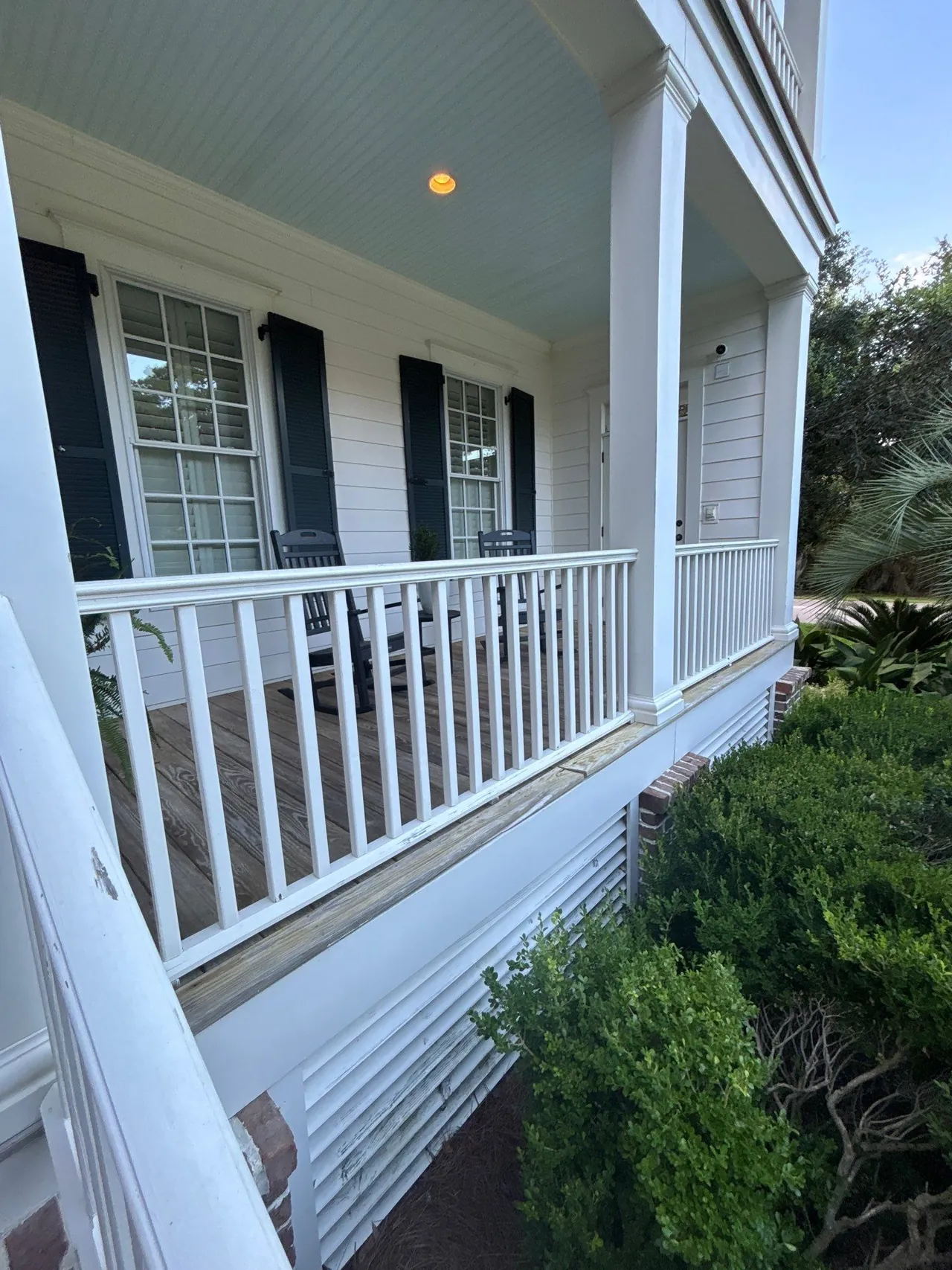
Start with the porch you want to look at—and look through
Project at a glance
- Local example
- Pawleys Island, South Carolina
- Starting point
- Existing painted wood railings on lower and upper front decks
- Options considered
- Black composite and black aluminum railing samples
- Stage shown
- Existing conditions; replacement planning, not a completed installation
For a Grand Strand homeowner replacing painted wood railings, aluminum and composite can both belong on the shortlist. The first decision is often visual: do you want the railing to form a strong frame around the porch, or give the yard beyond it more attention?
Then comes the practical side. A porch exposed to salt spray deserves a different conversation from a more sheltered inland setting. The proposed posts, connections, cleaning routine and actual installed price should be part of that conversation from the start.
This comparison focuses on selecting a railing system. If you are still deciding whether the deck itself can stay, our Pawleys Island railing-replacement guide covers that separate scope question.
What changes when you choose aluminum or composite?
TimberTech describes its composite railing as a blend of polymers and recycled wood fibers. Its aluminum railing uses powder-coated metal. PVC railing is a separate category, so a proposal that simply says “white railing” leaves an important question unanswered.
For a concrete aluminum example, TimberTech Impression Rail Express uses narrow balusters and offers different top rails. Advantage Rail, a composite example, offers coordinated rail profiles, post sleeves and caps. It also has configurations with round aluminum balusters. A composite railing can therefore include metal; the two labels do not describe every component.
Use the comparison below to narrow the samples you ask to see. Final choices depend on the particular product line and configuration.
Sources: TimberTech: railing materials · TimberTech: Impression Rail Express · TimberTech: Advantage Rail
A Pawleys Island choice that went beyond color
In one documented Pawleys Island project, the homeowner wanted to replace deteriorating wood railings on the lower and upper front decks. Contract Exteriors’ planning notes record two black options being considered: composite Advantage Rail and aluminum Impression Rail Express. Samples were part of the selection discussion.
The post layout became important, too. The homeowner had a preference about intermediate posts, and the proposed system changed during planning. Choosing between two black samples wasn't the end of the decision; the way those rails would fit the porch still mattered.
Bring that question into your own comparison early. Ask to see post positions and full rail sections against the porch, not only the finish samples. This Pawleys Island example was still in planning, and the pictures show the original wood rails rather than a finished replacement.
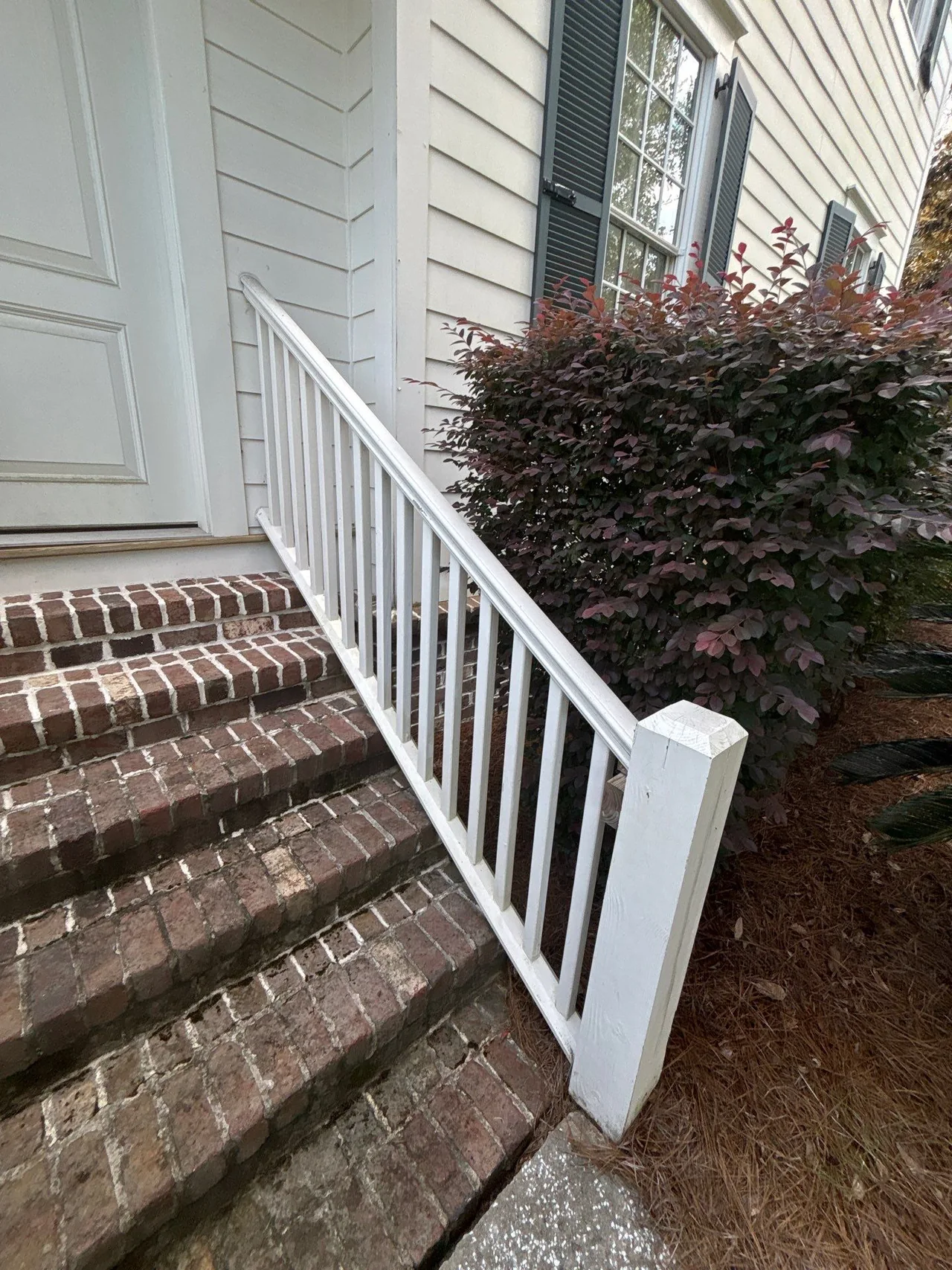
Which will look better with your house and view?
If preserving a view is your priority, start by comparing the width of the balusters, top rail and posts. Impression Rail Express is one aluminum option designed with narrow balusters. That does not mean every aluminum configuration will look equally open, or that a composite system cannot use slender metal balusters.
Take samples outside and look from two places: the chair where you spend time and the approach to the front door. A rail that looks understated against planting may read differently against bright siding. Compare the top-rail shape with your porch columns, window trim and stair rail as well.
You also do not have to match the railing material to the deck-board material. Treat them as separate selections, then have the contractor confirm the complete combination and attachment plan. Our railing planning hub is a useful starting point for the broader replacement conversation.
For a closer sample-by-sample approach, read which deck railing gives you a better view.
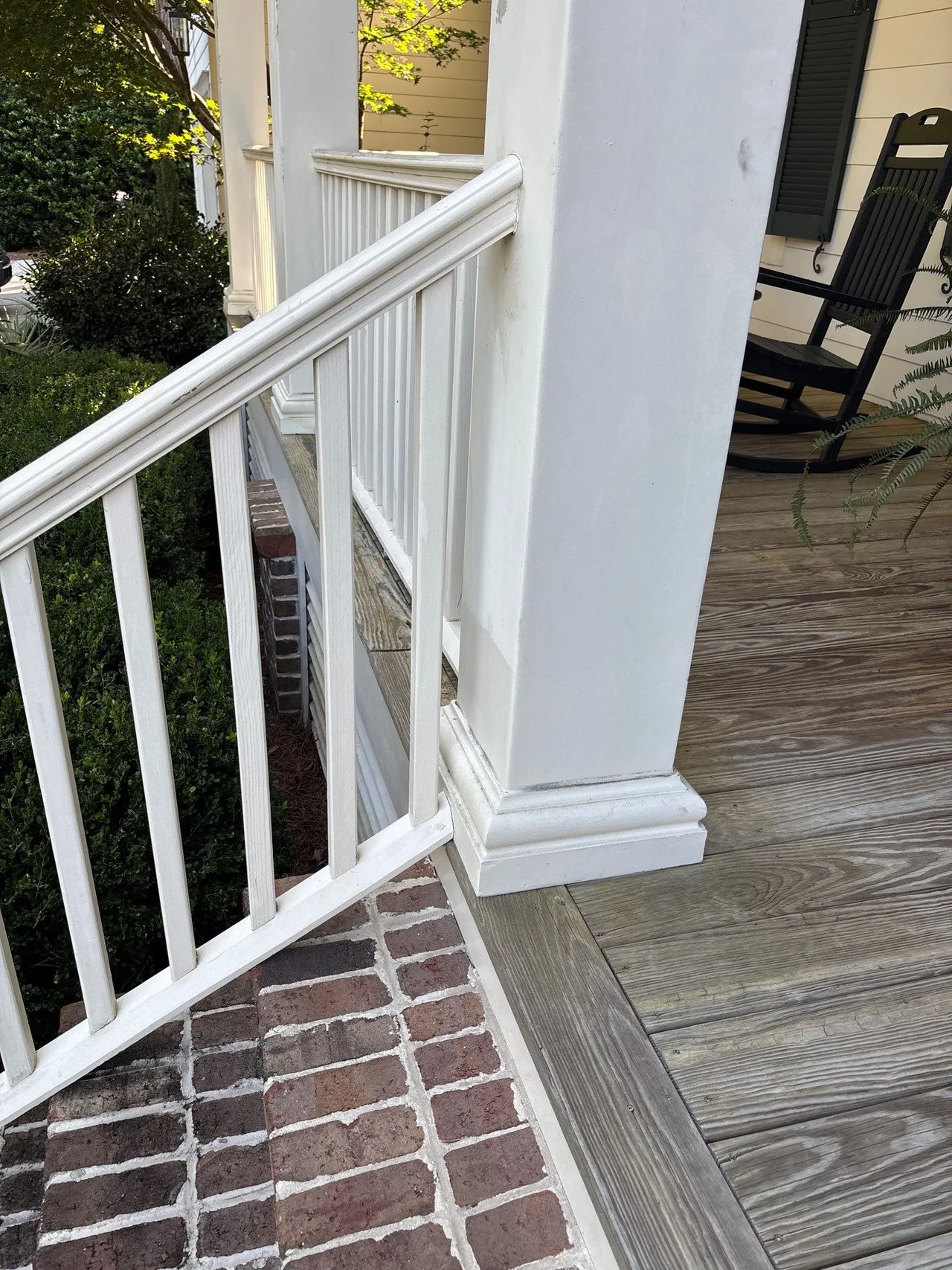
Sources: TimberTech: Impression Rail Express · TimberTech: Advantage Rail
YOUR HOME. OUR EXPERIENCE.
Thinking about replacing your railings?
Talk with Contract Exteriors about your existing deck or porch, railing options and the view you want to keep. Start with a free estimate.
Book Your Free EstimateOur team will call to discuss your project and confirm appointment details.
What does living near salt water change?
It changes the exposure questions you should ask. FEMA’s coastal corrosion guidance explains that salt accumulation, moisture and the position of a building affect corrosion of metal connectors and fasteners. That is a reason to discuss your actual site and connections, rather than assume every home with a coastal mailing address has the same conditions.
Powder-coated aluminum is corrosion resistant, but that description is not a promise that a whole railing assembly needs no attention. Composite rails can still include metal balusters, brackets and hardware. Ask which components are proposed, whether they suit the exposure and how they should be inspected and maintained.
TimberTech ties cleaning frequency to railing type and location, with additional guidance for composite railing near the seashore, estuaries and marine environments. Ask for the instructions that apply to your proposed system and exposure. A lower-maintenance material still comes with a care routine.
Request the current written warranty for the exact system and purchase date. Check covered components, application exclusions and cleaning conditions. For example, the current aluminum warranty excludes discoloration, oxidation, tarnishing and rust, and defines water applications separately. A headline warranty length alone will not answer those questions.
Our guide to railing maintenance near salt water goes further into cleaning expectations, sheltered connections and the care handover to request.
Sources: FEMA: coastal corrosion guidance · TimberTech: railing care and cleaning · TimberTech: aluminum railing limited warranty · TimberTech: current warranty documents
Which costs less once the railing is installed?
A useful answer comes from two complete proposals for the same porch. Comparing an aluminum panel price with a composite rail kit can leave posts, caps, brackets, stair sections, removal or installation out of one side of the comparison.
Ask for the same measured layout and a clear list of included work in both options. Identify the product line, rail and baluster style, post locations, stairs and any separate graspable handrail. Have the contractor identify supporting-structure work that may be needed and explain how that allowance affects the quote.
Keep optional lighting or a drink rail separate so you can see the cost of the railing choice itself. If the totals differ, ask which components or work account for the difference. Neither material label is a reliable substitute for an installed quote.
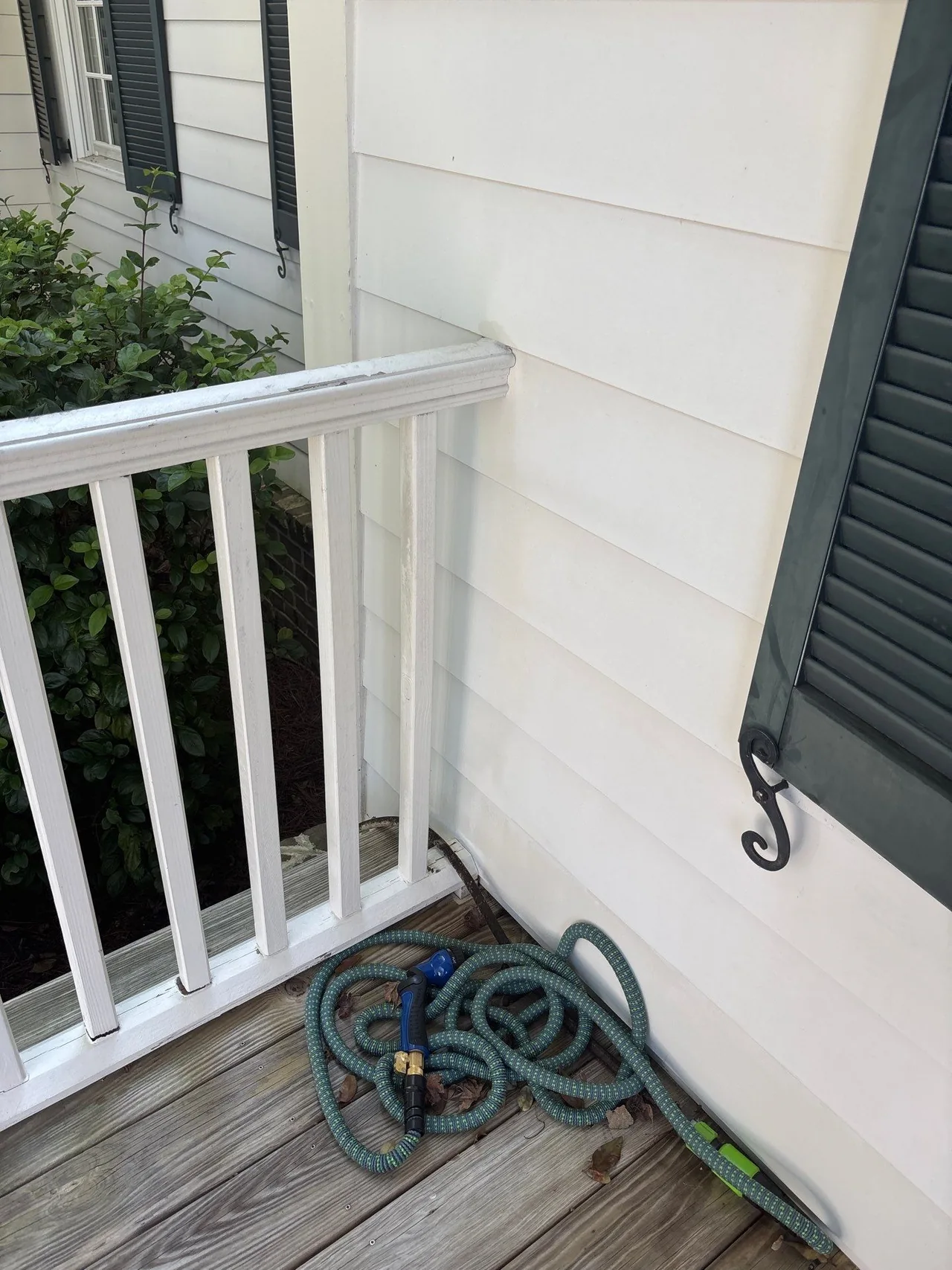
Bring two samples and one clear set of priorities to the appointment
Choose your first priority: a lighter-looking edge, a substantial porch profile, a particular finish, or a care routine you are comfortable keeping up with. Then compare one aluminum system and one composite system that meet it. Ask to see the full profile and post arrangement, not just a color chip.
Have the contractor confirm that the proposed assembly suits your home, supporting structure and applicable requirements. Any building or other property-specific approval, along with separate association review where relevant, should be checked for your actual address before ordering.
Contract Exteriors provides complete railing installations and replacements in the Myrtle Beach area. Request a free expert opinion to compare suitable options for your porch, deck and stairs. A good proposal should leave you able to picture the finished layout and understand what caring for it will involve.
Another Angle
Choose between an outline and a background
A railing can give a porch a pronounced outline or sit more quietly between the house and the landscape. That is a design intention worth establishing before comparing aluminum with composite. The category alone does not settle it: the proportions of rails, posts and infill within the actual arrangement determine what you are judging. Begin with the role of the perimeter, then examine suitable assemblies that might serve it.
From the usual interior viewpoint, decide where you want attention to rest. The garden beyond may be the priority, or a more defined edge may help the porch feel connected to the house. These are alternatives in visual emphasis, not claims about physical enclosure or safety. A strong outline can be an intentional preference without needing to be described as the more substantial or superior product.
Now look toward the house from outside. The railing appears beside windows, columns and trim rather than solely against the yard. Does it repeat an existing scale or introduce a contrast you prefer? Compare those relationships directly. An assembly selected to recede from a chair may deserve another look where it forms the foreground of the entrance elevation.
Read posts as part of the rhythm
Posts establish a rhythm independent of the individual balusters. Study the intervals shown in the suitable proposed layout and how they relate to the porch columns. A post near an existing vertical feature produces a different-looking group from one centered between features. The comparison concerns the appearance of the assessed arrangement; it is not permission to remove a support or invent a span.
This is why a thinner infill does not, by itself, explain the whole visual result. The top rail, larger posts and transitions may remain the dominant lines. Compare a complete proposed section within the house view and identify the element you notice first. The answer can reveal whether the material discussion is addressing the part of the composition that actually matters to your preference.
Consider a deliberate difference between the house and the rail as well as a close visual coordination. A restrained dark outline beside light columns may be appealing to one household; another may prefer a more continuous relationship. Those are hypothetical aesthetic choices. Neither color description establishes the exact material, its suitability for the setting or the care requirements of the complete assembly.
Give the material a defined visual role
The Pawleys Island example is useful because the section layout informed the recorded system discussion. Its design lesson is that a preferred sample must eventually belong to a real arrangement. The photographs show existing conditions, not a completed comparison of replacement materials. Use your own proposed layout to judge the pattern of posts and rails rather than borrowing an imagined installed outcome.
Once the intended emphasis is clear, return to the main guide's product and scope comparison. Determine which suitable exact option expresses it, what visual compromise each entails and what the complete price includes. The architectural preference does not override technical requirements. It gives the practical comparison a stated purpose instead of allowing the most appealing isolated sample to decide the whole perimeter.
The final choice should explain how the rail belongs to the porch from both directions. Is it a clear outline, a quieter foreground or an intentionally different accent beside the retained architecture? Record that judgment with the accepted assembly and layout. Aluminum or composite can then be evaluated as the means to a specific composition, with the strengths and limits of each actual proposal understood.
A FEW MORE ANSWERS
Questions homeowners ask
Can composite railing have aluminum balusters?
Yes. Some composite systems offer aluminum baluster configurations. Ask for the exact rail, baluster, post and hardware combination so you know what the proposal includes.
Is aluminum railing always black and composite railing always white?
No. Both material categories offer multiple colors, depending on the product line. Compare the actual finish and profile samples rather than choosing a material from color alone.
Does composite decking require composite railing?
No. The decking and railing are separate product choices. Have the contractor confirm the proposed railing assembly, supporting structure and attachment details for your particular deck.
How should I compare aluminum and composite railing prices?
Compare complete proposals with the same deck edges, stairs and intended layout. Identify the exact system, posts, balusters, hardware, removal and supporting work in each. A material-only price or a different number of posts does not describe the same installed scope.
Which railing samples should I look at together?
Compare the rail, baluster and post finishes as a group beside the decking and house. View them from a normal chair and from indoors, with the real background behind them. The material label or one small color chip does not show the complete visual effect.
Sources and review
Contract Exteriors project evidence: Internal project records and original CompanyCam photographs support the project examples described in this article. Customer records and identifying details remain private. Project examples are separate from the manufacturer guidance and other published references below.
An anonymous Pawleys Island planning example is supported by Contract Exteriors’ original project records and matched existing-condition photographs. The documented options and later layout review illustrate selection questions; no completed installation, comparative performance test or homeowner outcome is claimed.
- TimberTech: railing materials — Composite, PVC and aluminum material distinctions. Current page read October 28, 2026; no installed local price inferred.
- TimberTech: Impression Rail Express — Current powder-coated aluminum example, narrow balusters and finish/top-rail choices. Read October 28, 2026; not represented as installed in the photographed project.
- TimberTech: Advantage Rail — Current composite product and aluminum-baluster configuration options. Read October 28, 2026; availability and exact project specification require confirmation.
- FEMA: coastal corrosion guidance — Technical Bulletin 8, June 2019, printed pages 13–14; government-hosted copy. Read October 28, 2026. General connector-exposure context, not an assessment of this property or an installation specification.
- TimberTech: railing care and cleaning — Railing section and footnote 3, read October 28, 2026. Product- and exposure-specific guidance; decking pressure-washing instructions are not transferred to railings.
- TimberTech: aluminum railing limited warranty — Version V-102725, effective for purchases on or after November 1, 2025; exclusions and application definitions checked October 28, 2026. Obtain the document applicable to your purchase.
- TimberTech: current warranty documents — Current product-specific document directory checked October 28, 2026. Coverage depends on the actual product, application, purchase date and terms.
Editorial review details
Reviewed for Contract Exteriors by Bill Schum, Marketing Director, Contract Exteriors, on October 30, 2026. Scope: Editorial oversight, source and project-record checks, photo-originality review, and mobile/desktop presentation checks. Research and editing were supported by AI tools. Design commentary reflects an editorial perspective and does not constitute professional architectural or engineering advice or a property-specific site assessment.
Our sourcing and corrections standards · Report a correction