The little things on the wall belong in the big decision
Project at a glance
- Local example
- Mount Pleasant, South Carolina
- Proposed product
- James Hardie siding inquiry for a pool house
- Starting condition
- Existing lights, an outlet, cables and wall-mounted equipment
- Stage
- Planning photographs, November 2026
You can spend a lot of time choosing siding colors and still miss the light beside the back door. It is easy to understand why. The siding covers most of the house, while a fixture looks like one small item. But someone still needs to explain how that item fits the work, and whether the estimate includes dealing with it.
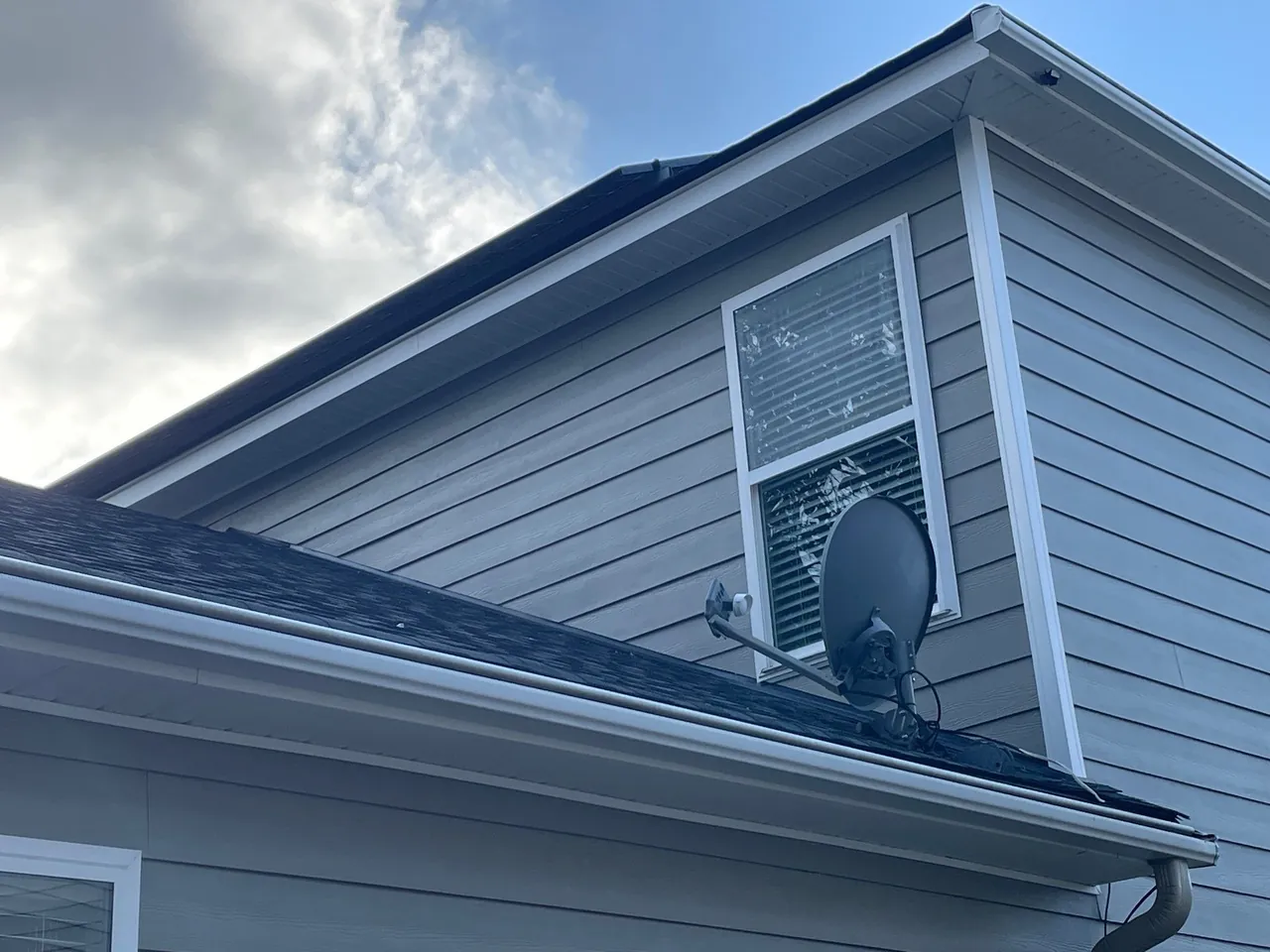
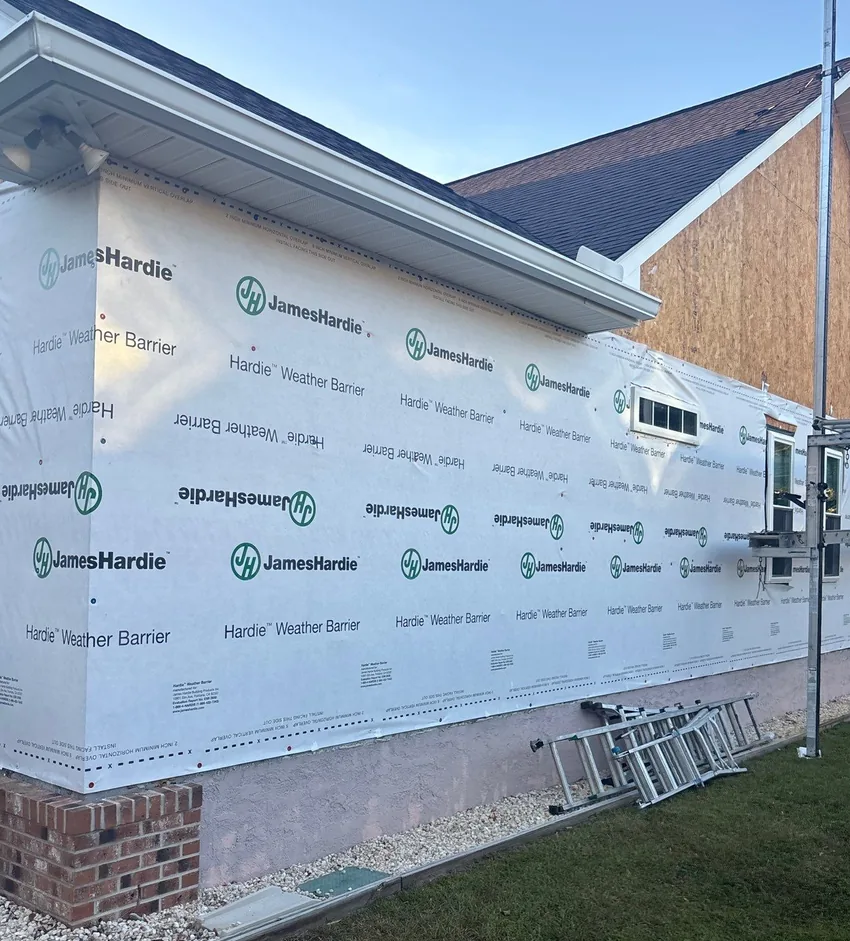
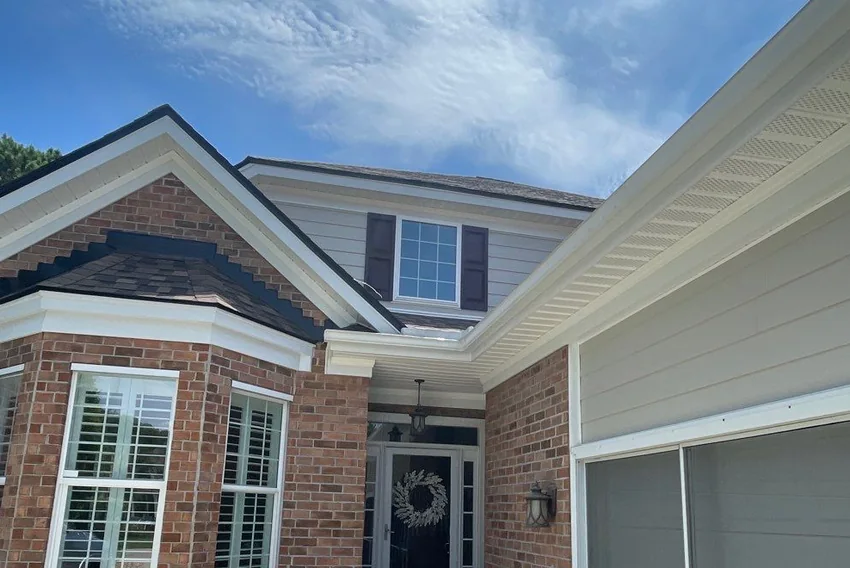
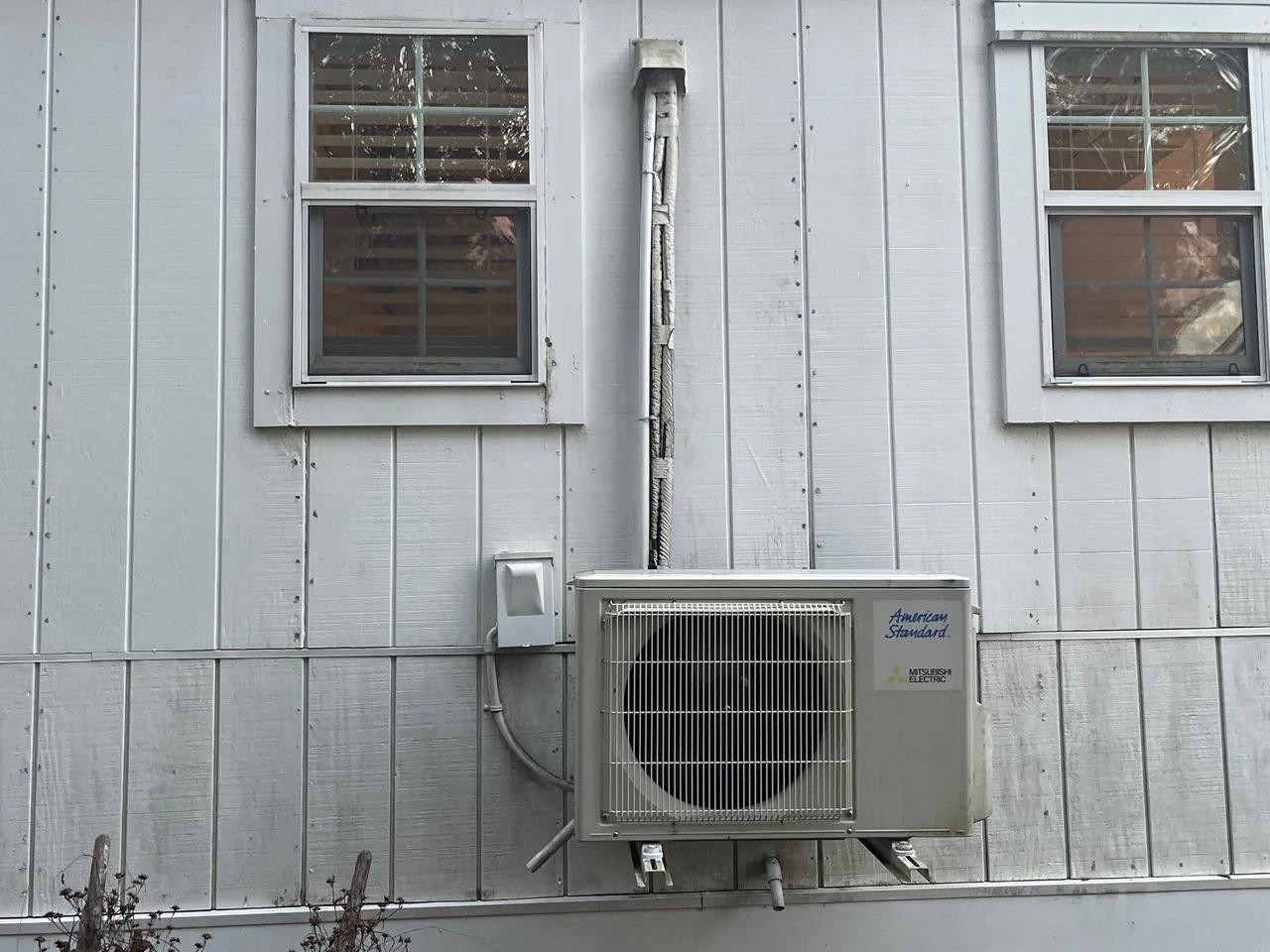
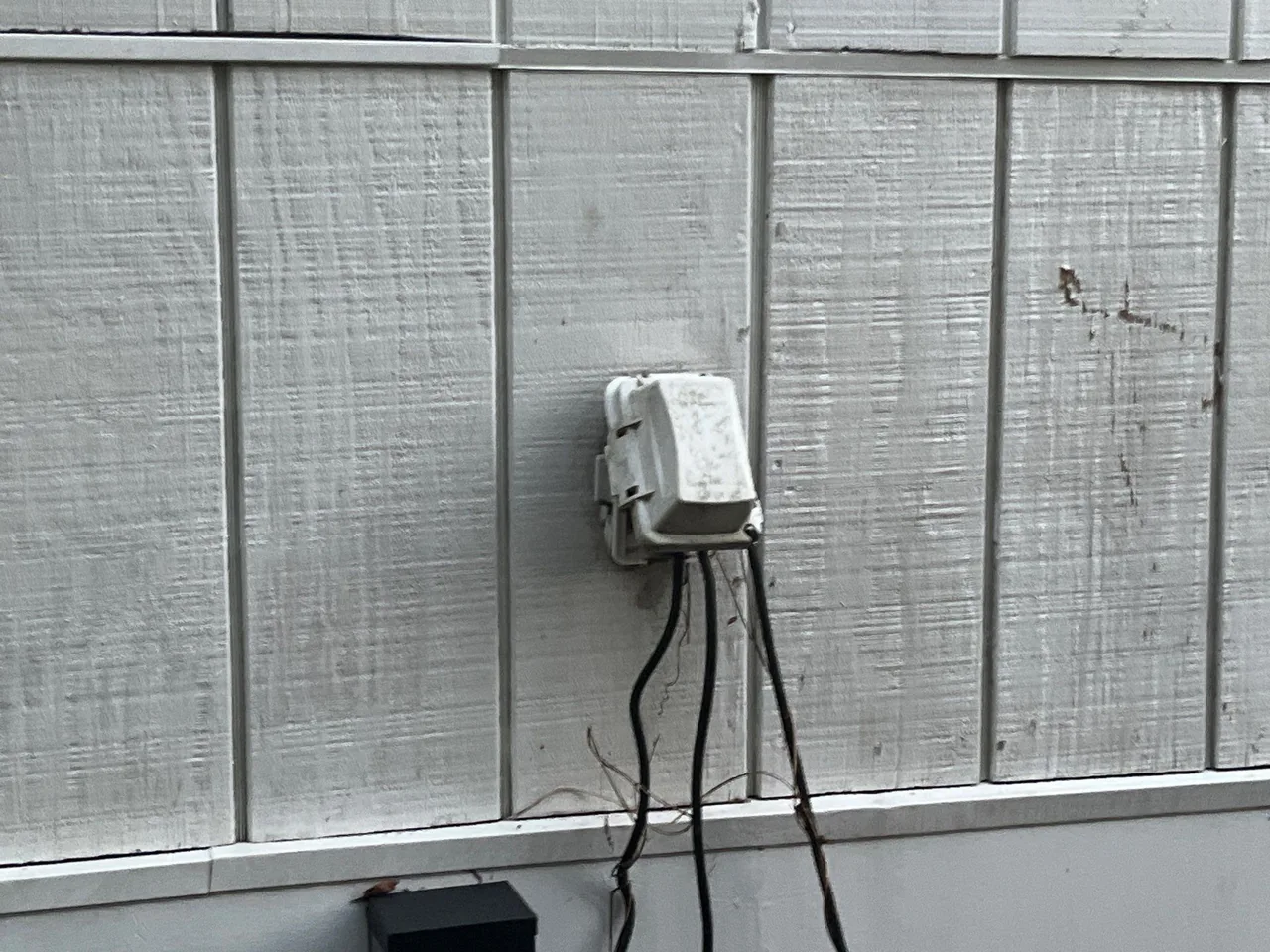
A Mount Pleasant Contract Exteriors pool-house siding inquiry makes this question concrete. November planning photographs show a wall light, a covered outlet, cables and wall-mounted heating or cooling equipment on the existing exterior. The project record includes a request to re-side the pool house in James Hardie siding. This is a starting-point example, not a completed replacement or a diagnosis of the photographed systems.
For a homeowner, the lesson is simple: walk around the house before reducing a siding proposal to the material and square footage. Those existing attachments are part of the conversation. Our siding guide introduces the larger product decision; this guide helps you ask what happens to the things already attached to your walls.
Make a wall-by-wall list with the estimator
Start at your usual entrance and keep moving around the house. Point out lights, outlets, cameras, doorbells, hose connections, vents, cable boxes, brackets and any equipment close to the siding. You do not need to identify the technical details yourself. You need a shared list so the contractor can assess the work rather than assume something is outside the scope.
Separate items you want to keep from items you are considering replacing. An existing light might suit you perfectly. A camera may need to stay in its familiar position. A decorative bracket may no longer be useful. Naming those preferences now gives the contractor a better starting point than finding out after the wall has been opened.
Take ordinary reference pictures from the ground, without opening boxes or disturbing connections. Match each picture to a short description, such as rear porch light or side-wall hose connection. Keep copies with the estimate. When two proposals use different allowances, you can ask about the same specific item rather than debate what a broad phrase like complete exterior includes.
Agree on responsibilities before anything is disconnected
Ask the contractor to say which items the siding crew can handle and which require another qualified trade or the utility provider. That answer depends on the item and the work proposed. A general siding allowance is not a reason for a homeowner to loosen a meter, disconnect wiring, move a line or open equipment.
Then ask who arranges the other work. Is the siding contractor coordinating it, is a separate company involved, or is the homeowner expected to make an appointment? Keep the contact and scheduling responsibility visible in the proposal. A job can feel well organized at the material-selection stage and become confusing when nobody owns the next call.
Include the return visit in that discussion. Removal and reconnection are different tasks. So are remounting, finish touchups and checking that the device works afterward. You want to understand the entire responsibility, including any exclusions. Do not assume a fixture will be upgraded, rewired or replaced merely because someone needs access to the siding around it.
YOUR HOME. OUR EXPERIENCE.
Thinking about new siding for your home?
Talk with Contract Exteriors about siding options, trim and the work your exterior needs. Start with a free estimate.
Book Your Free EstimateOur team will call to discuss your project and confirm appointment details.
Ask how the finished wall meets each attachment
The appearance of the siding is only part of the work around an opening. James Hardie's moisture-management resources discuss wall details around windows and blocked protrusions such as spigots. That manufacturer guidance is a useful reason to ask about the proposed detail, rather than treating every attachment as a small hole that needs a cosmetic touchup.
Have the contractor explain the applicable product instructions and how the surrounding trim, mounting detail and water-management work are included. This is a proposal question, not a request to copy a generic internet detail onto your house. The exact product and existing wall need assessment. A photograph cannot tell you whether a concealed connection or wall assembly is suitable.
The Mount Pleasant example includes several different attachments on the same exterior. That makes a single blanket description especially unhelpful. A light, a cable entry and equipment near the wall may need different coordination. Ask for an explanation you can follow, with the specialist work and any unresolved conditions clearly identified.
Sources: James Hardie: moisture-management installation resources
Decide which visual changes are actually worth making
A siding project is a useful time to notice the things you have stopped seeing. Does the old light still look right beside the door? Would you prefer a different finish for a visible mounting block? Are unused decorative pieces staying because you want them, or simply because nobody has asked? These are reasonable choices to discuss before finalizing the order.
Keep appearance changes separate from technical feasibility. You may prefer a more centered light or a less conspicuous cable route, but relocating equipment can change the trade scope. Ask what is possible and what it adds before putting a new position on the approved plan. A visual preference does not establish a safe or permitted way to achieve it.
Our siding trim and accent guides cover related appearance decisions. Use those conversations together: the field siding, trim and retained fixtures will all share the finished wall. A modest existing fixture can look intentional when its placement and surrounding finish are considered. Replacing every accessory is not automatically necessary for a coherent exterior.
Compare the allowances, not just the final totals
Put the proposals beside your wall list and read them item by item. One contractor may include a defined removal and return allowance while another excludes the same work. Neither total makes sense until those differences are visible. Ask whether separate trade charges, new accessories, disposal and finish repairs are included, estimated or still to be determined.
Pay particular attention to work that depends on opening the wall. Agree how the contractor will document an unexpected condition, explain the proposed response and obtain approval for an additional charge. That process does not predict hidden damage. It gives you a practical way to make a decision if a condition appears that could not be assessed beforehand.
Avoid treating a lower initial number as a savings until the scopes match. The most useful comparison may be a short written clarification, not another product brochure. If an attachment remains unresolved, keep it marked as unresolved rather than allowing silence to become an assumed inclusion. Clear exclusions are more useful than an attractive total with an unclear boundary.
A useful clarification can be as simple as naming the side-wall camera and stating who removes it, where it is stored, who returns it and whether the charge includes the necessary specialist visit. That is a hypothetical example, not the recorded scope at the Mount Pleasant property. Apply the same level of clarity to your own list. Once each proposal answers those questions, you can spend less time interpreting broad promises and more time deciding which scope and material choice suit your priorities.
YOUR HOME. OUR EXPERIENCE.
Ready to put your siding plan together?
Bring your questions about materials, finishes and scope to Contract Exteriors. Get help comparing the next steps for your home.
Book Your Free EstimateOur team will call to discuss your project and confirm appointment details.
Prepare for the work without taking systems apart
Ask what access the crew needs around each wall and which personal belongings you should move. Outdoor furniture, planters and decorations may be straightforward homeowner tasks. Connected equipment belongs in the agreed professional scope. If you are unsure where that line falls, ask before moving it. There is no advantage in creating a new problem while trying to help the crew begin.
Discuss any expected interruption that matters to your household. A camera, entrance light or exterior connection may have a particular daily use. Tell the contractor about that need so the sequence can be considered. Do not assume a service will be unavailable, or promise yourself that it will remain available throughout; get the actual plan for the items affected.
For a Mount Pleasant-area property, have the responsible party verify jurisdiction and applicable requirements by the project address. A mailing city alone does not settle who reviews a change. Association approval, when relevant, is a separate question from trade or building requirements. Resolve those responsibilities before ordering work that depends on them.
Finish with a list you can use at the walkthrough
Keep the original wall list for the final review. Compare the agreed items with what was retained, replaced or returned, and have the responsible contractor explain any remaining task. Review the visible finish around fixtures and confirm who checks the affected devices. A final siding color match is useful, but it is not the only responsibility you discussed at the estimate.
You do not need a technical specification for every accessory before calling Contract Exteriors. Bring photographs, point out what matters to you and ask for a clear plan. The estimate should connect the siding selection with the existing house, including the small items you use every day. That is how a wall-by-wall conversation becomes a project you can understand before signing.
Another Angle
The wall is a background for daily life
A new siding surface changes the visual field around every retained object. A light that once disappeared into a weathered wall can become more noticeable against a quieter finish. The design question is therefore not only which objects to replace, but which relationships should remain legible when the background changes. Small accessories deserve attention because they can interrupt or reinforce the composition of the exterior.
The Mount Pleasant starting point illustrates an inhabited wall rather than an empty product display. Fixtures, cables and equipment occupy it alongside windows and trim. Their presence is not inherently a design failure; these objects serve the household. An exterior proposal becomes more convincing when it acknowledges that use and gives retained elements an intentional place, instead of presenting the wall as though ordinary services will vanish after installation.
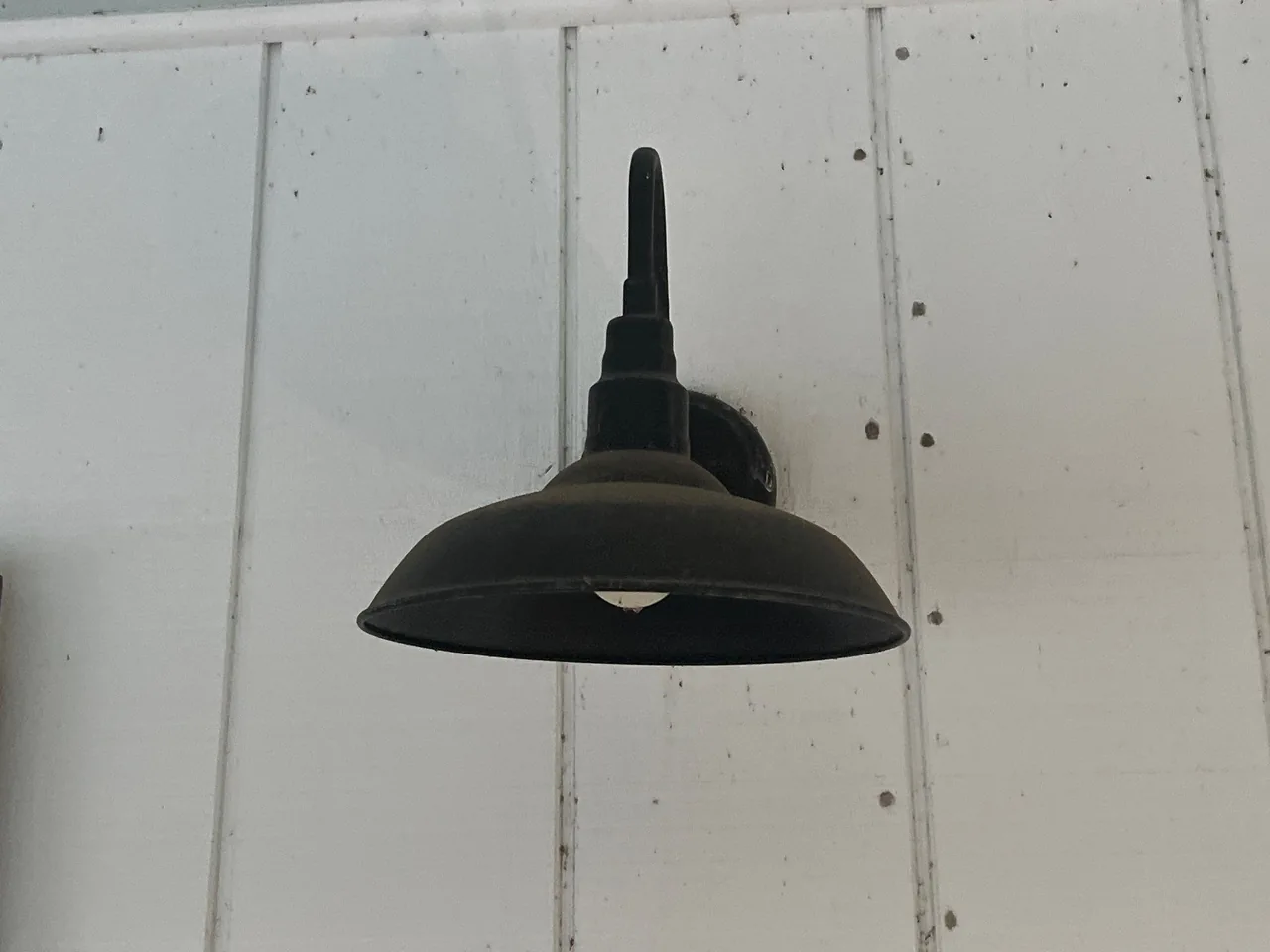
Consider the entrance light first as part of the threshold. Its scale, finish and position contribute to the way the door is read from the approach. A more elaborate fixture may not improve that relationship. A familiar light can remain effective when the surrounding trim and siding are composed with restraint. Conversely, changing the wall finish may reveal that the old fixture is visually unrelated to the entrance the homeowner wants.
That is a judgment about appearance, not a relocation instruction. Moving a fixture can involve a different scope from retaining it. The distinction matters aesthetically as well as practically: a design option that seems minor in an illustration may depend on trade coordination outside the siding allowance. Keeping that consequence visible allows the homeowner to compare a small visual improvement with the additional work it actually requires.
Make the tradeoff deliberate
The quieter service areas need a different kind of discipline. Trying to disguise every functional object can produce a clutter of extra surrounds and decorative treatments. Sometimes a consistent finish and a straightforward arrangement create a calmer result. The objective is not to pretend that the house has no equipment. It is to keep necessary objects from competing unnecessarily with the main openings and larger wall proportions.
Repetition should also be selective. Several lights may benefit from a shared finish or related form, while an outlet cover and a service enclosure have different roles. Requiring every object to become a matching decorative accent can give minor elements too much prominence. A hierarchy is more useful: identify what should welcome attention at the entrance, what should support everyday use and what should remain visually quiet where feasible.
Review the whole exterior before committing
The tradeoff is between a thoroughly refreshed appearance and the value of retaining useful elements. Replacing accessories can help establish a new direction, but it adds selections and responsibilities. Keeping them can preserve familiarity and reduce the extent of the work, yet may leave a visible contrast the homeowner dislikes. Neither choice is automatically more coherent. Its quality depends on whether the retained and new parts have been considered together.
A wall-by-wall list therefore has a design purpose beyond preventing omissions. It brings the real exterior into the selection process. The homeowner can see which choices are intentional, which depend on assessment and which remain unresolved. A successful siding update does not need to make every object new. It needs a clear relationship between the larger wall surface and the smaller elements that continue to make the house usable.
A FEW MORE ANSWERS
Questions homeowners ask
Does a siding quote automatically include replacing outdoor lights?
No. Ask whether each light is retained or replaced and whether removal, return, trade work and finish repairs are included. A siding material selection does not define that scope.
Can I remove an exterior electrical fixture myself to prepare?
Keep connected electrical equipment with the responsible qualified professional. Ask the contractor which preparation tasks are yours; do not open boxes or disconnect systems to make access easier.
Should fixtures be moved to suit the new siding layout?
Discuss the appearance you want, then have the contractor assess feasibility and any separate trade scope. A preferred position is not an approved relocation detail.
What if hidden damage appears around an attachment?
The proposal should explain documentation, assessment and approval of additional work. Planning that process does not establish that damage is present.
Will siding replacement interrupt cameras or outdoor connections?
It may affect particular items depending on the proposed work. Identify your needs and ask for the actual sequence and restoration responsibility before work begins.
What should I bring to a siding estimate?
Bring ground-level photographs and a wall-by-wall list of attachments, noting what you want retained or replaced. Ask for unresolved items and exclusions in writing.
Sources and review
Contract Exteriors project evidence: Internal project records and original CompanyCam photographs support the project examples described in this article. Customer records and identifying details remain private. Project examples are separate from the manufacturer guidance and other published references below.
Anonymous planning-stage Contract Exteriors inquiry and original photographs matched privately to current project records. No completed installation, selected final system, private price or measured outcome is implied.
- James Hardie: moisture-management installation resources
- Contract Exteriors project records — Anonymous inquiry and original CompanyCam photographs matched privately on November 12, 2026. The public link is the company portfolio; private customer records are not published.
Editorial review details
Reviewed for Contract Exteriors by Bill Schum, Marketing Director, Contract Exteriors, on November 12, 2026. Scope: Editorial oversight, source and project-record checks, photo-originality review, and mobile/desktop presentation checks. Research and editing were supported by AI tools. Design commentary reflects an editorial perspective and does not constitute professional architectural or engineering advice or a property-specific site assessment.
Our sourcing and corrections standards · Report a correction