
Half vs. Full Screens on Double-Hung Windows
Quick answer
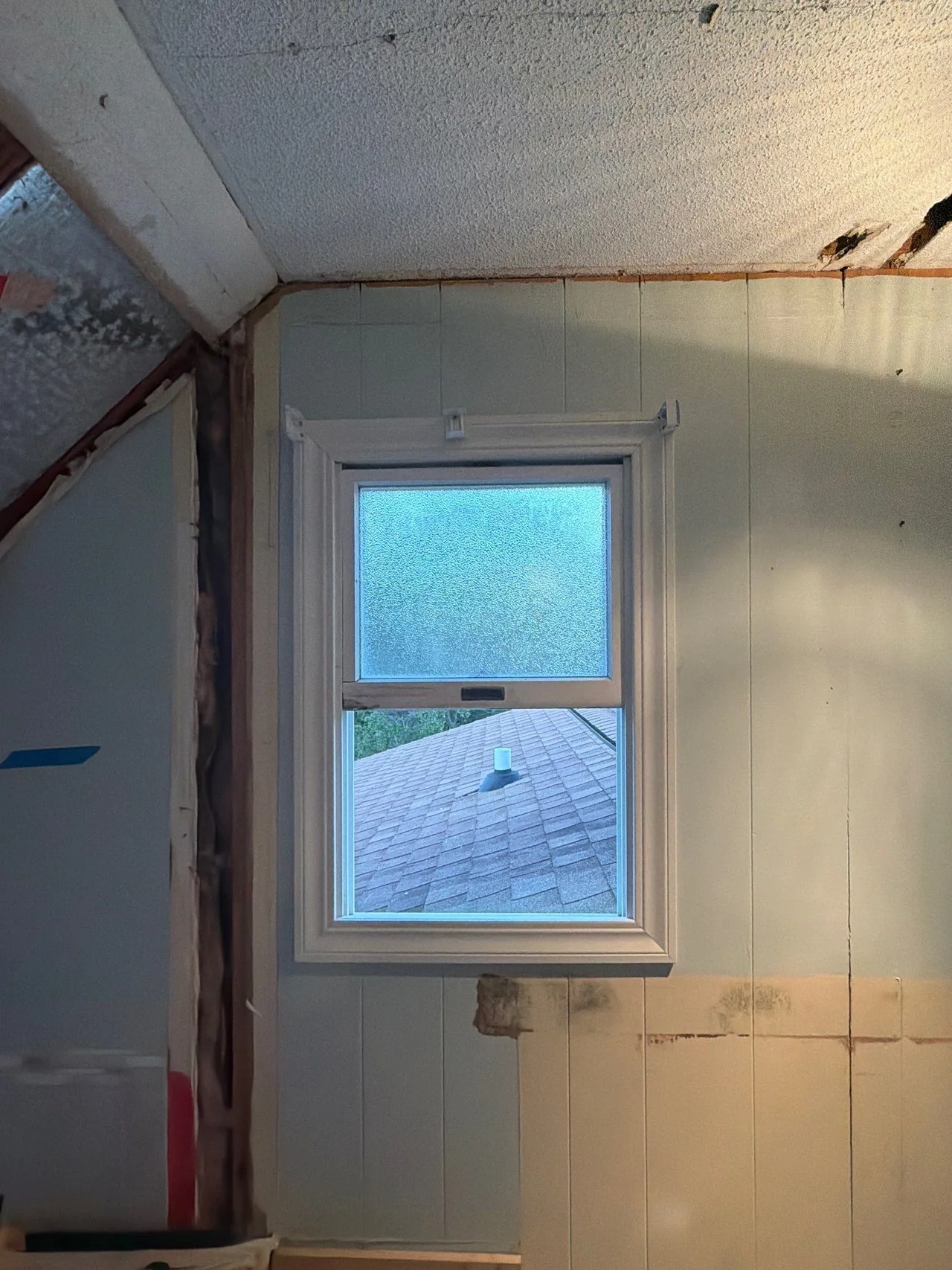
For an eligible double-hung window, a half screen leaves part of the glass free of mesh, while a full screen covers both sash areas.
From the project. Recorded request. Replacement of nine windows Project stage. Replacement inquiry; existing window photographs Project sources
Project photos by Contract Exteriors Pawleys Island, South Carolina
Read the full article TranscriptRelated videos
All videos
Related articles
All articlesVideo transcript
For an eligible double-hung window, a half screen leaves part of the glass free of mesh, while a full screen covers both sash areas.
On a double-hung window, the upper and lower sashes can move. A half screen covers part of the opening; a full screen spans both sash areas. If you want to open a particular sash, confirm that the screen covers that opening in the intended position. Have the representative show you rather than assuming the screen can move wherever you need it.
A smaller screen may suit someone who generally opens the lower sash and prefers an unscreened view through the other part of the glass. A full screen may be worth considering when the proposed window and your ventilation habits call for coverage across both areas. Neither choice creates airflow through closed glass, and coverage alone doesn't tell you how much breeze a room will receive.
Stand where you normally open the window and look at where the screen would sit. Compare the proposed screen sizes alongside the actual type of window you plan to order.
Ask for a demonstration using the exact proposed window and screen.

YOUR HOME. YOUR NEXT CHAPTER.
Bring your plans
to life.
Fresh siding. A deck made for gathering. A home that feels more like you. Talk through your ideas with a Contract Exteriors expert and find the right next step for your home.
Speak to an ExpertContract Exteriors will call to discuss your project and confirm appointment details.