The small choice you'll notice after installation
Project at a glance
- Local example
- Pawleys Island, South Carolina
- Recorded request
- Replacement of nine windows
- Project stage
- Replacement inquiry; existing window photographs
- Buying question
- Confirm the screen package alongside the window order
Most people don't start a window estimate by asking about screens. You think about the glass, the frame color and whether the new windows will be easier to use. The screen seems like something that will arrive in the box. Then you open a sash for the first time and realize its coverage and removal matter too.
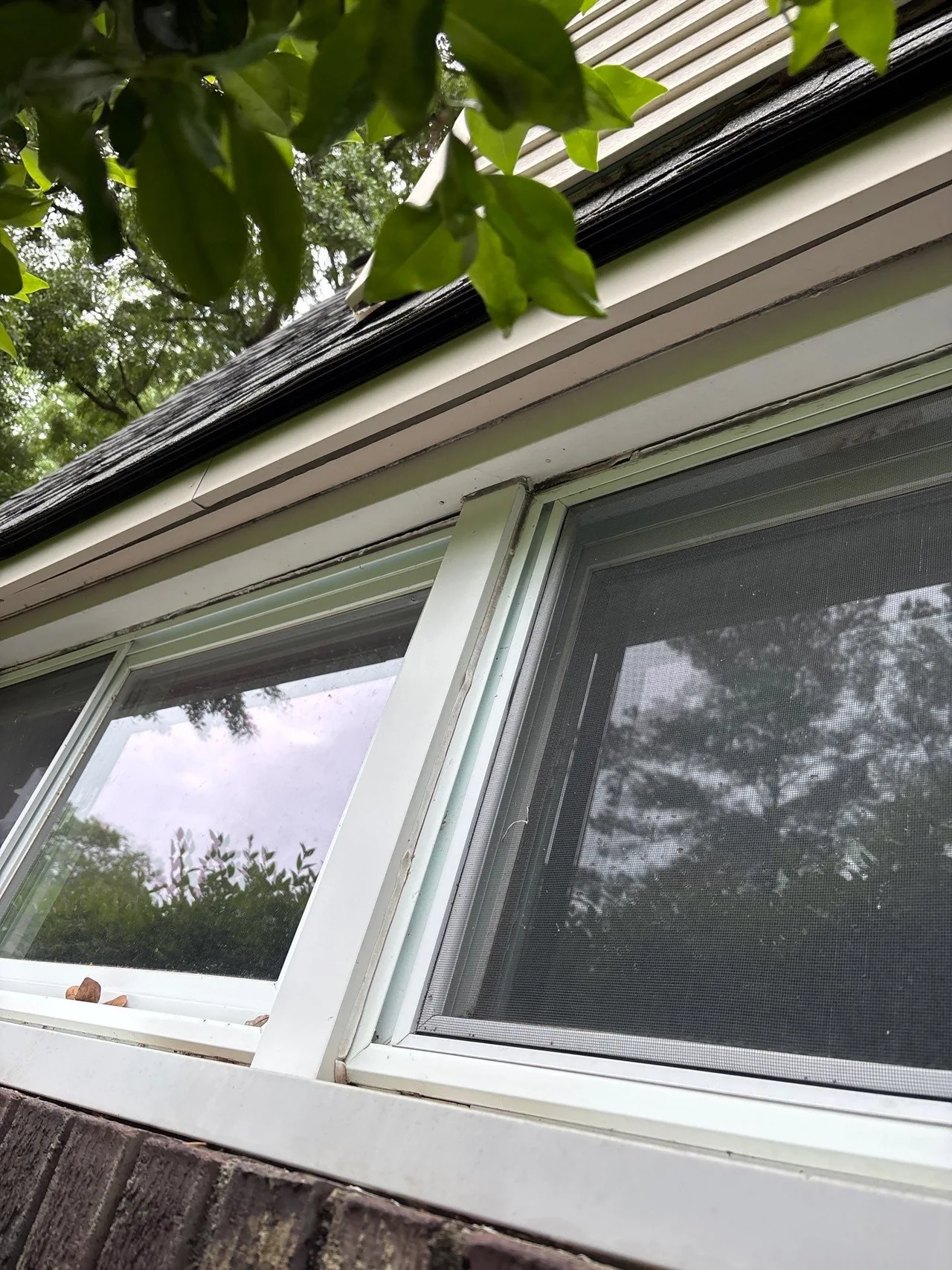
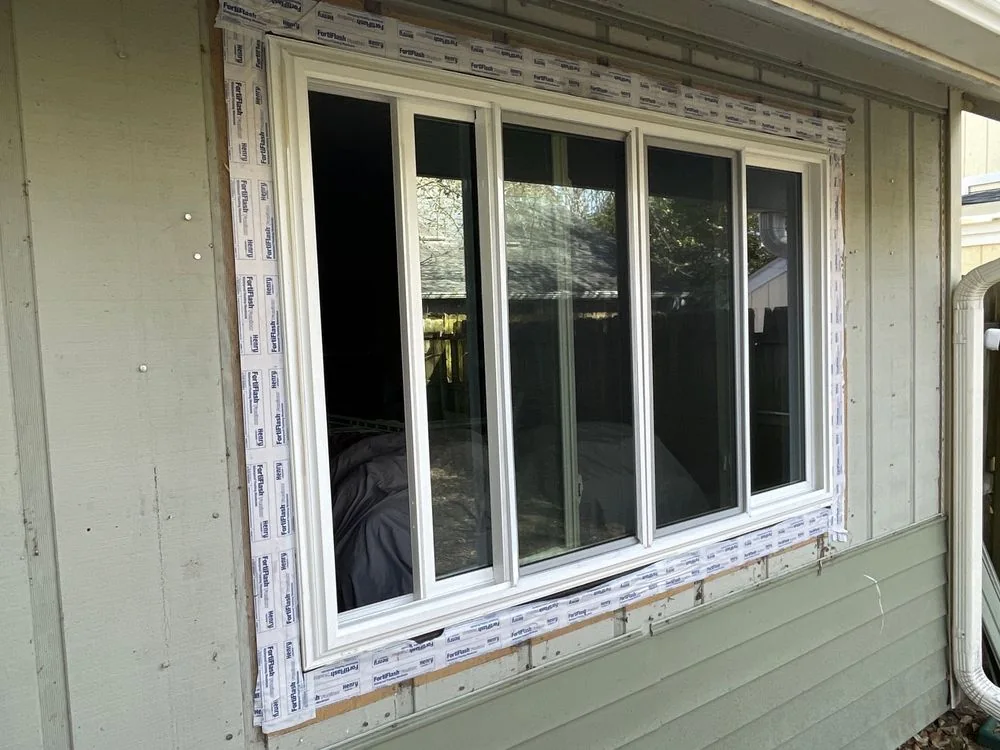
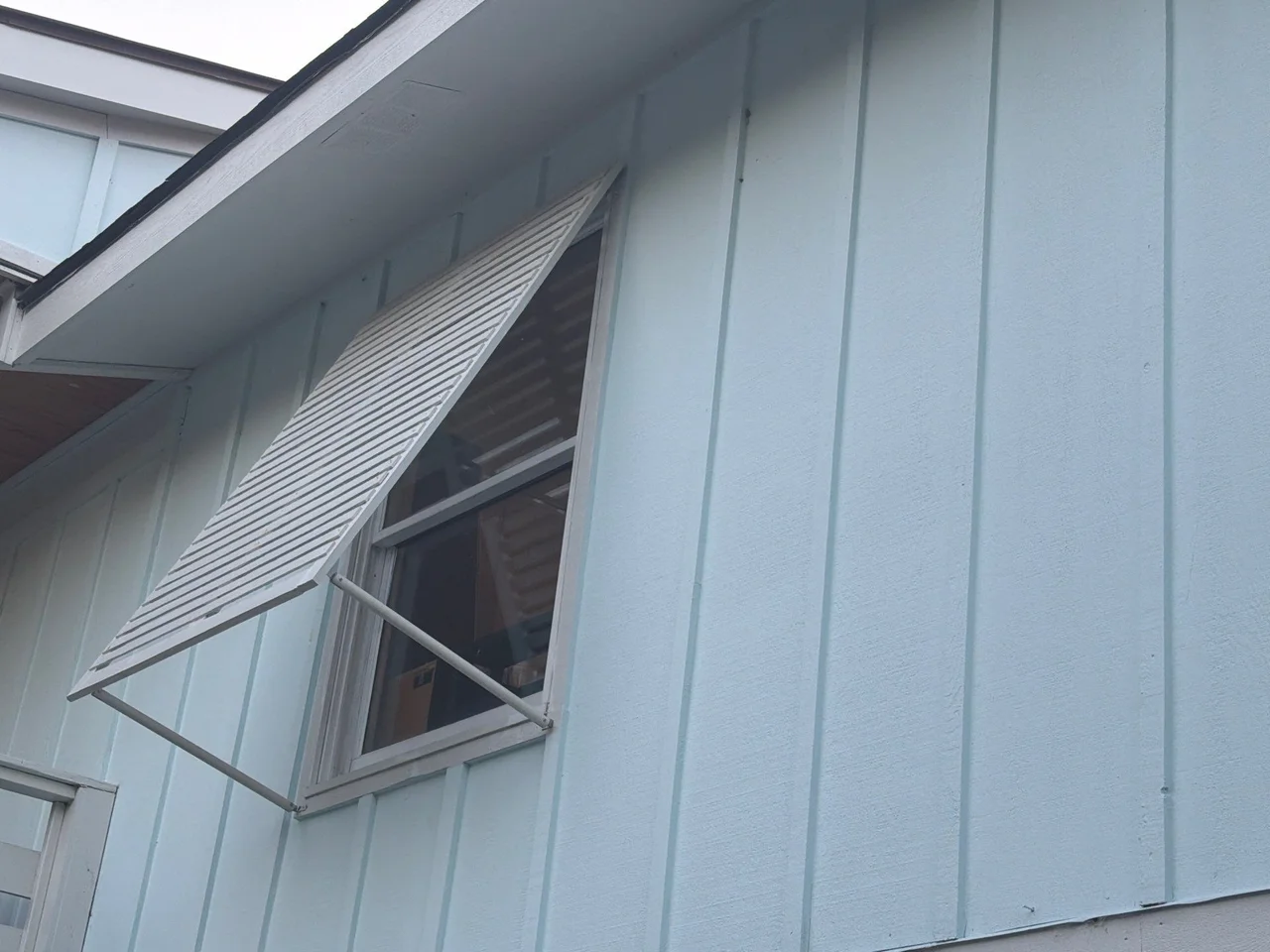
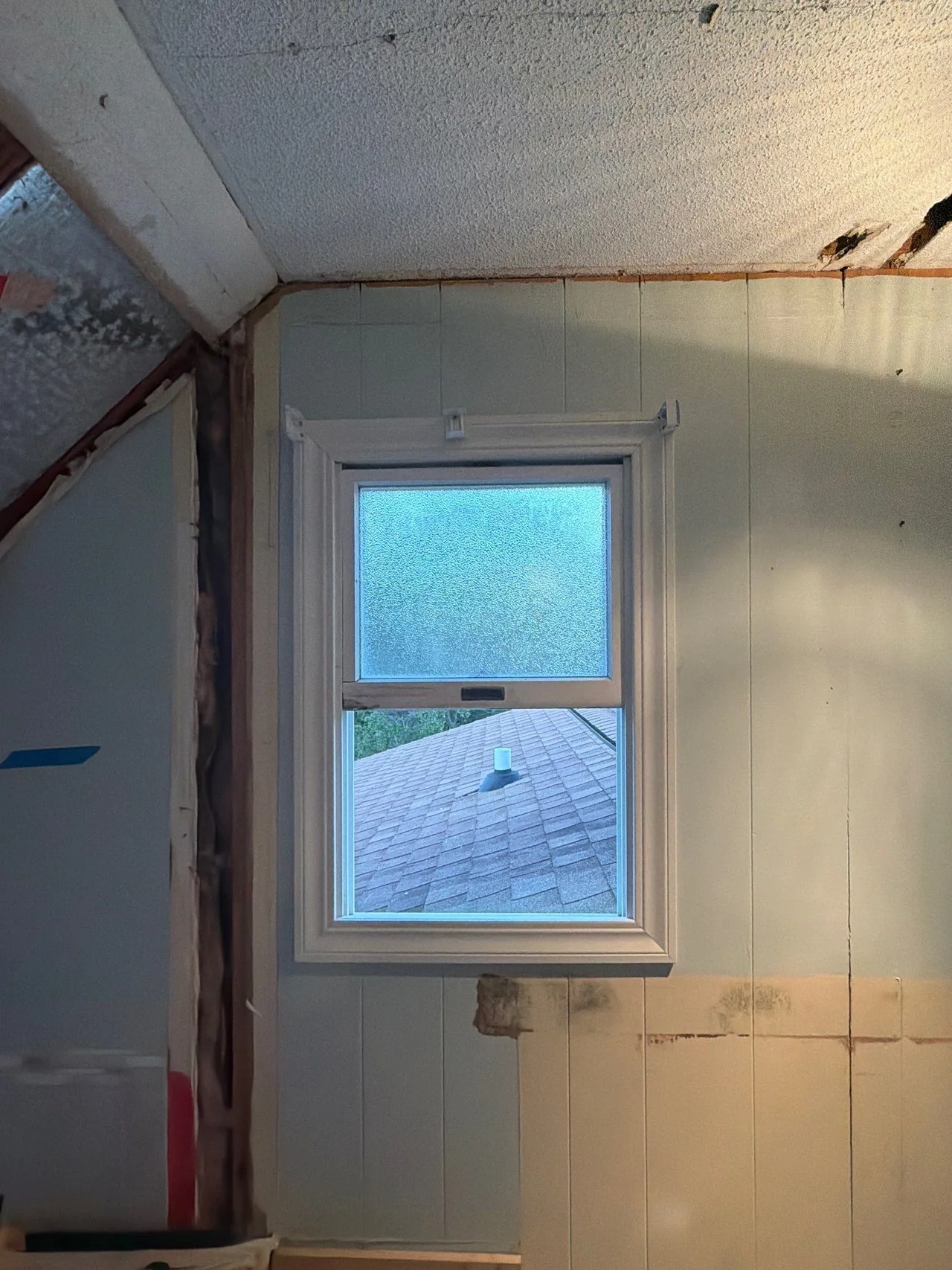
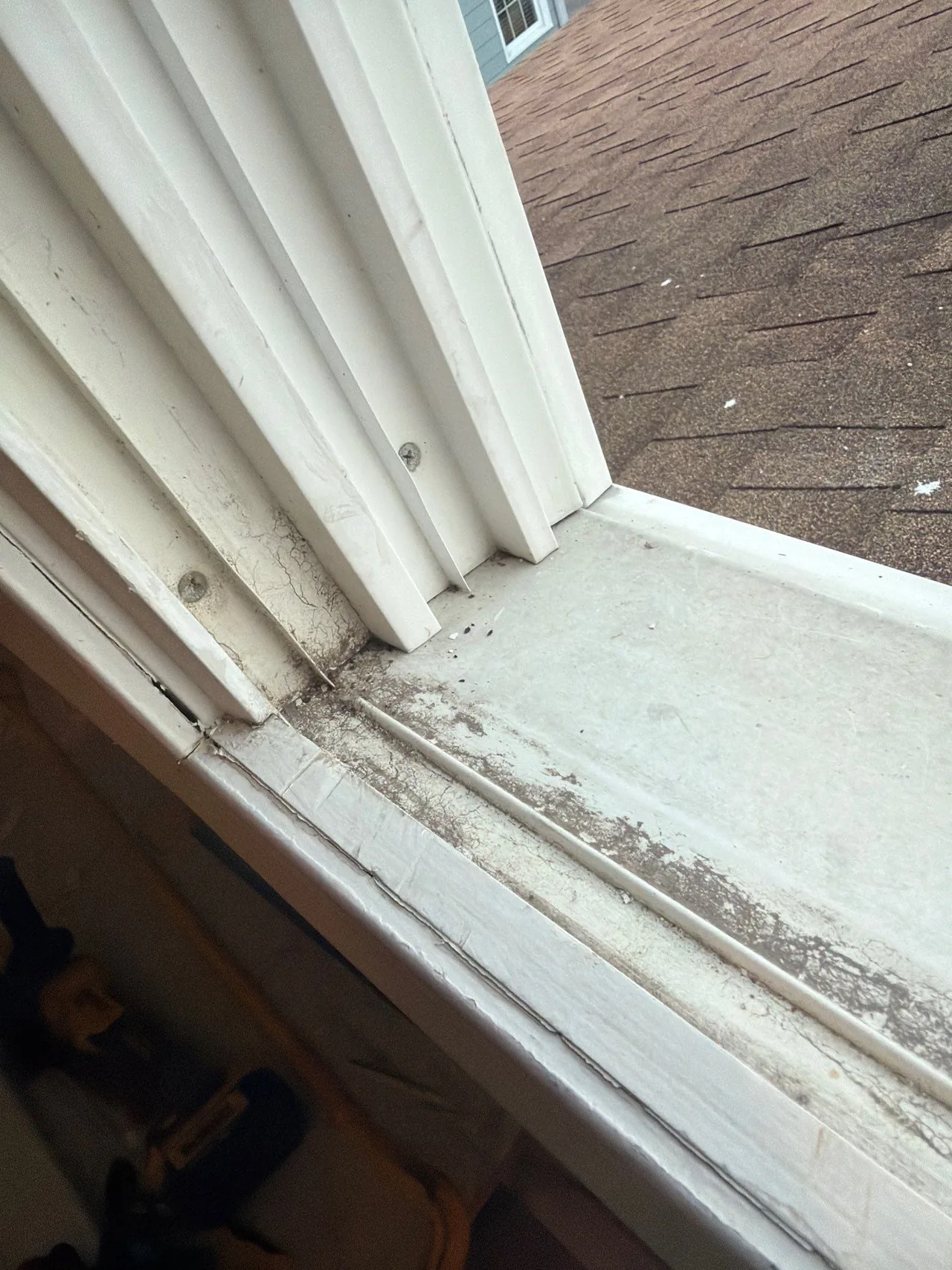
A Pawleys Island homeowner recently asked Contract Exteriors about replacing nine windows. The existing-condition photographs show windows from inside and outside, with different room settings and exterior shutters. The request doesn't document a screen selection or a completed replacement. It does provide a useful local starting point: when you're making several window choices together, add screens to the conversation before the order is finalized.
Contract Exteriors focuses on whole-home replacement windows. This guide concerns the screen package within that larger project, rather than a standalone screen-repair service. You don't need to become a screen specialist. You just need to know which questions make a difference to how you'll use the new windows.
Sources: Contract Exteriors project records
Start with the way the window opens
On a double-hung window, the upper and lower sashes can move. A half screen covers part of the opening; a full screen spans both sash areas. If you want to open a particular sash, confirm that the screen covers that opening in the intended position. Have the representative show you rather than assuming the screen can move wherever you need it.
A smaller screen may suit someone who generally opens the lower sash and prefers an unscreened view through the other part of the glass. A full screen may be worth considering when the proposed window and your ventilation habits call for coverage across both areas. Neither choice creates airflow through closed glass, and coverage alone doesn't tell you how much breeze a room will receive.
Don't carry that comparison over automatically to every window style. Casements, sliders and other operations have their own screen arrangements. A fixed picture window doesn't open for ventilation. If you're considering a mix of operations, use our window-style coordination guide to settle the larger arrangement, then confirm the screen supplied with each operable unit.
The actual model can narrow your choice
Screen options belong to the proposed product, not just the brand. OKNA's DH500 page describes a fiberglass-mesh half screen as standard and states a full-screen requirement for exterior colors other than Euro-White. That is a specific example of why finish and screen selections should be checked together. It isn't a statement that every OKNA window has the same rule.
Ask for the model name and the current order details. If the sample you're shown uses one finish but your estimate uses another, ask whether the screen changes. The same applies when comparing two series. A familiar brand name doesn't make every accessory interchangeable, and an attractive display doesn't establish what is included in your particular price.
Put the answer on the proposal. A useful description identifies screen coverage, mesh and frame finish, plus any selected upgrade. If different rooms use different operations, make the entries specific enough that you can check them against the delivered units. This is a small addition to the paperwork that can save a much longer discussion later.
YOUR HOME. OUR EXPERIENCE.
Planning a whole-home window replacement?
Talk with Contract Exteriors about your rooms, window options and the work around each opening. Start with a free estimate.
Book Your Free EstimateOur team will call to discuss your project and confirm appointment details.
Look through it from where you sit
Before deciding that one screen looks better, step back from the sample. Your view from a dining chair isn't the same as your view with your nose close to the mesh. A half screen leaves an unscreened portion of the glass; a full screen adds mesh across the whole opening. Decide whether that distinction bothers you at a normal viewing distance.
Also separate screen coverage from mesh type. Two full screens can look different because of their mesh, frame and the light behind them. Ask to compare actual offered samples under similar conditions. Don't accept a photograph of one mesh as a reliable demonstration of a different product, and don't assume that a darker-looking screen necessarily provides a measured energy or privacy benefit.
For Pawleys Island homeowners with exterior shutters, blinds or nearby landscaping, consider the complete view. Those elements may already influence what you see through the opening. The photographs in this local inquiry illustrate the relationship between windows and retained surroundings; they don't show a proposed replacement screen or prove how a new screen will look.
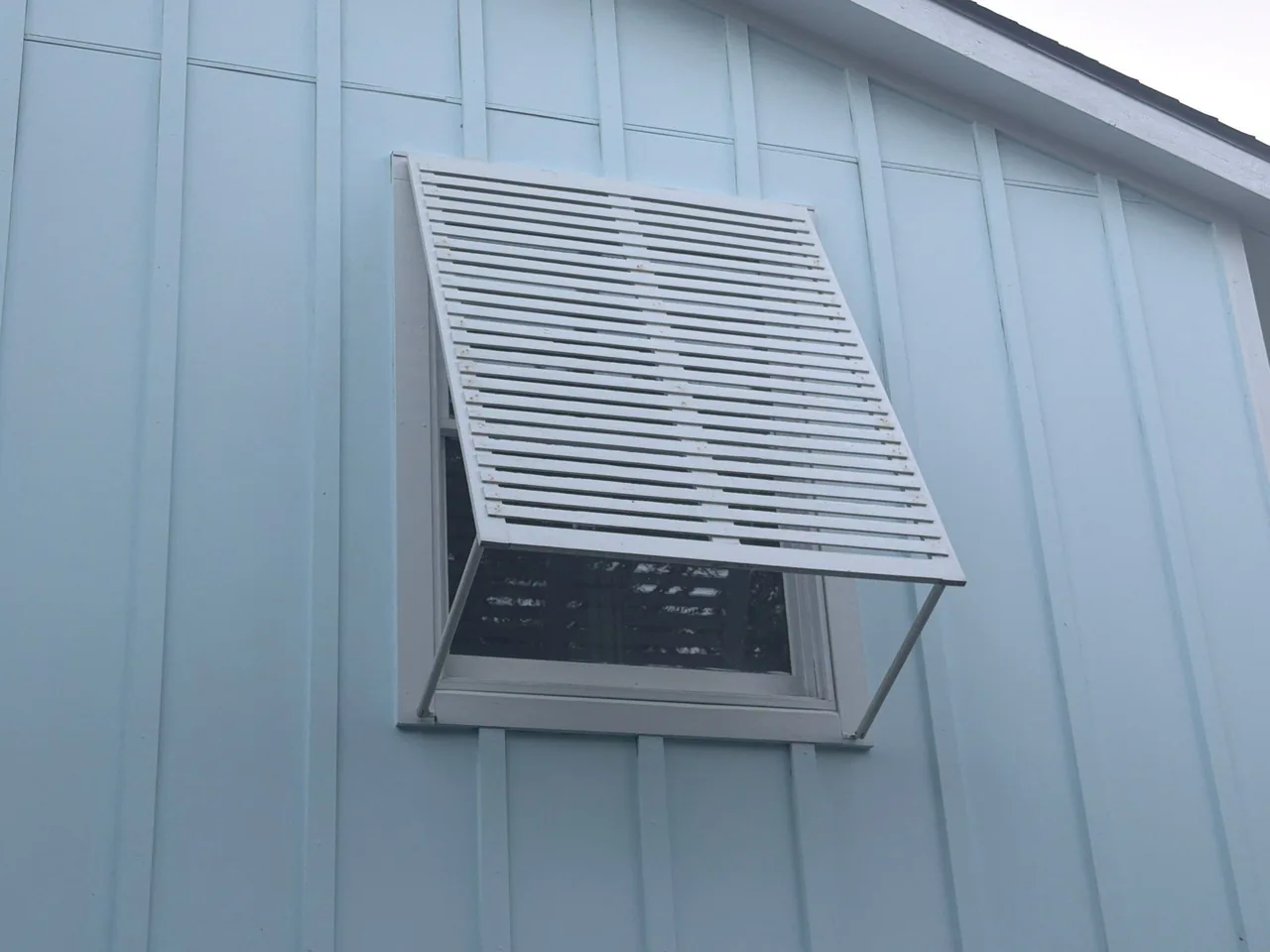
Sources: RiteScreen half-screen and full-screen coverage · Contract Exteriors project records
Try the removal before you buy
Ask the representative to demonstrate how the screen comes out and goes back in. Watch where you grip it, how much space you need and whether the procedure fits the way you can reach the window. The right demonstration is for the actual proposed system. A removable screen isn't useful to you if you don't understand its release or can't handle it comfortably.
Then think about the room after installation. Will a deep countertop, bed or other furniture affect your access? Will you need to move blinds or curtains? You don't need to solve every furniture arrangement during the estimate, but mentioning those obstacles gives the representative a chance to explain the intended operation before the order.
Follow the manufacturer's care and removal instructions, and ask what to do if the screen doesn't seat correctly. Don't force a part because a different window's video made it look easy. Keep the product identification and care information with the rest of your replacement paperwork so a future accessory question starts with the right system.
Keep insect screening separate from safety
An insect screen is not a fall-prevention barrier. The U.S. Consumer Product Safety Commission specifically warns against relying on screens to keep children from falling from windows. A full screen doesn't change that distinction. If child fall prevention is relevant in your home, discuss suitable measures for the actual openings and preserve required emergency escape.
Likewise, a stronger-sounding mesh name isn't a promise of pet containment. Don't select a screen on the assumption that it will hold a pushing animal or support someone's weight. Explain the intended use and ask what the exact product is designed to do. Coverage and durability are purchasing questions; guarding and fall prevention are separate safety matters.
Finish with a room-by-room check
Before approving the order, walk through the schedule once more. Confirm the window model and operation, interior and exterior finish, and screen package for each location. If one opening has a different screen arrangement, ask why. There may be a straightforward product reason, but it should be clear before delivery.
If an upgrade is optional, request its actual installed-price difference rather than comparing vague better-screen labels. Decide whether it changes the experience you care about: a preferred view, a way you open the window or removal you find easier. A higher price doesn't automatically make a choice better for every room.
You can bring these preferences to the project builder or your window consultation. Start with the rooms you use most, demonstrate your normal habits and ask to see the proposed screen work. That turns a small accessory line into a deliberate choice within the whole-home replacement, with fewer assumptions left for installation day.
Another Angle
A layer between room and view
A screen occupies an unusual place in window design. It is visually light, yet it sits directly between the room and the view. Its effect often becomes apparent only after the larger decisions have been made. Treating it as part of the composition from the start gives the homeowner a better chance to choose deliberately.
The main tradeoff is between a continuous layer and an interrupted one. A full screen can produce an even visual treatment across the opening. A half screen leaves one area clearer, but may introduce a noticeable boundary where the mesh ends. Neither effect is inherently more refined. The surrounding frame, the view and the distance from which the window is usually seen determine which is more comfortable to live with.
That distinction matters most at the home's habitual viewpoints. A window above a kitchen counter is encountered at close range. A window across a sitting room is often read as part of a larger wall. The same screen choice may be conspicuous in one setting and barely noticed in another. Evaluating a sample at only arm's length gives an incomplete impression of both situations.
Appearance and operation together
There is also a relationship between the room's existing layers. Blinds, curtains and exterior shutters each introduce their own lines and textures. Adding mesh does not happen against an empty background. A quieter screen arrangement may allow those retained elements to remain dominant, while a more uniform arrangement may simplify an already busy opening. These are visual judgments, not measurements of light transmission or energy performance.
Operation brings the discussion back to everyday use. The screen should support the way the selected window is intended to open, within the product's actual options. A visually appealing arrangement loses its advantage if it requires a habit the homeowner doesn't want. Conversely, a convenient configuration may justify a small visual compromise. The useful comparison keeps both consequences visible instead of declaring one size universally preferable.
Across several windows, consistency can be valuable without becoming absolute. Openings seen together may benefit from a common treatment. A room with a different operation may need another arrangement. The design goal is a comprehensible family of decisions, not a rule that forces unlike windows to carry the same accessory. Product compatibility comes first, followed by a considered explanation for the visible differences.
Resolve the whole window
The Pawleys Island replacement inquiry is relevant because a multi-window project creates an opportunity to settle these relationships together. It doesn't establish that the homeowner chose a particular screen. The broader lesson is that accessories deserve a place in the design review before the order is fixed, while alternatives can still be considered alongside frame and operation.
The most useful final test is modest: stand where you normally spend time, look through the offered sample, and ask for a demonstration of its operation and removal. That sequence joins appearance to use. It allows a small component to support the whole window decision without giving it promises of safety, privacy or performance that the actual product has not established.
A FEW MORE ANSWERS
Questions homeowners ask
Is a full screen always an upgrade?
No. Coverage must fit the window model, finish and intended operation. Compare the actual offered package and price rather than assuming larger coverage is better.
Can I open the upper sash with a half screen?
Ask for a demonstration on the proposed window. Confirm which openings are screened in each allowed screen position; do not assume the screen can be moved to every position.
Do all OKNA windows have the same screen choices?
No. Check the series and current order details. The DH500 page, for example, describes half screens and a finish-specific full-screen requirement; other products require their own verification.
Will my old screens fit the new windows?
Do not assume compatibility. Have the new window’s specified screen package confirmed, including its frame and attachment arrangement.
Does a full screen prevent a child from falling?
No. CPSC warns that insect screens are not fall-prevention barriers. Discuss suitable measures for the actual opening while preserving required emergency escape.
Does Contract Exteriors offer standalone screen repair through this guide?
This guide covers screen selections within Contract Exteriors’ whole-home window replacement service. Confirm the complete project scope during the consultation.
Sources and review
Contract Exteriors project evidence: Internal project records and original CompanyCam photographs support the project examples described in this article. Customer records and identifying details remain private. Project examples are separate from the manufacturer guidance and other published references below.
Anonymous Contract Exteriors replacement inquiry and original existing-condition photographs privately matched to the same property. Requested work is distinguished from selected products, assessed conditions and completed results. Customer identity and private details withheld.
- Contract Exteriors project records — Anonymous request and original existing-condition photographs privately matched to the same property. Public link opens the company portfolio; private records are not published.
- RiteScreen half-screen and full-screen coverage
- OKNA DH500 product and screen options
- CPSC window-fall prevention, April 7, 2026
Editorial review details
Reviewed for Contract Exteriors by Bill Schum, Marketing Director, Contract Exteriors, on November 14, 2026. Scope: Editorial oversight, source and project-record checks, photo-originality review, and mobile/desktop presentation checks. Research and editing were supported by AI tools. Design commentary reflects an editorial perspective and does not constitute professional architectural or engineering advice or a property-specific site assessment.
Our sourcing and corrections standards · Report a correction
Related planning resources
windows · planning · okna · myrtle beach