Choosing the finish for your home
Project at a glance
- Local example
- Charleston area, South Carolina
- Requested work
- Siding replacement with Hardie; interest in ColorPlus
- Selection question
- Approval for the proposed finish needed confirmation
- Photographs
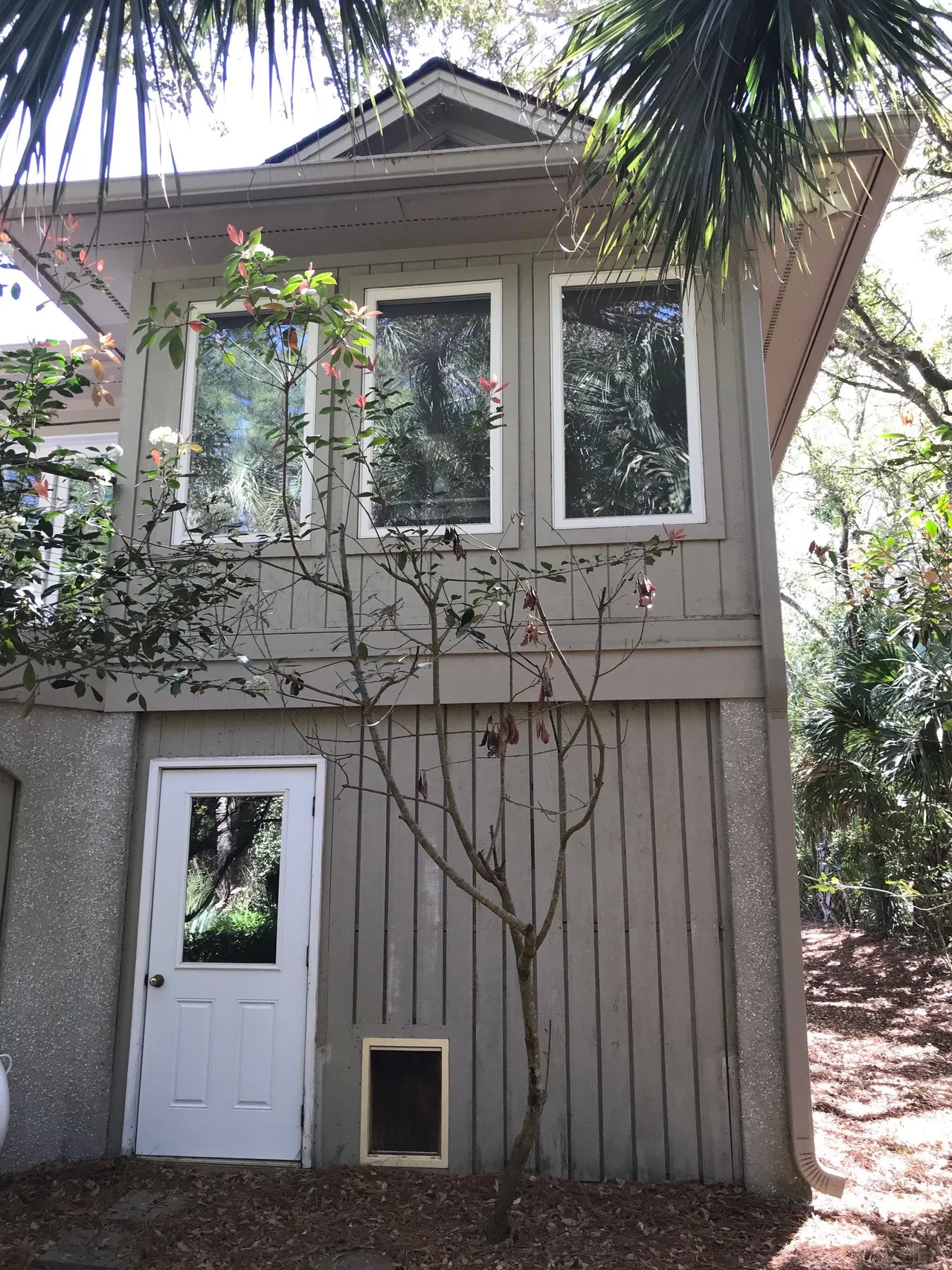
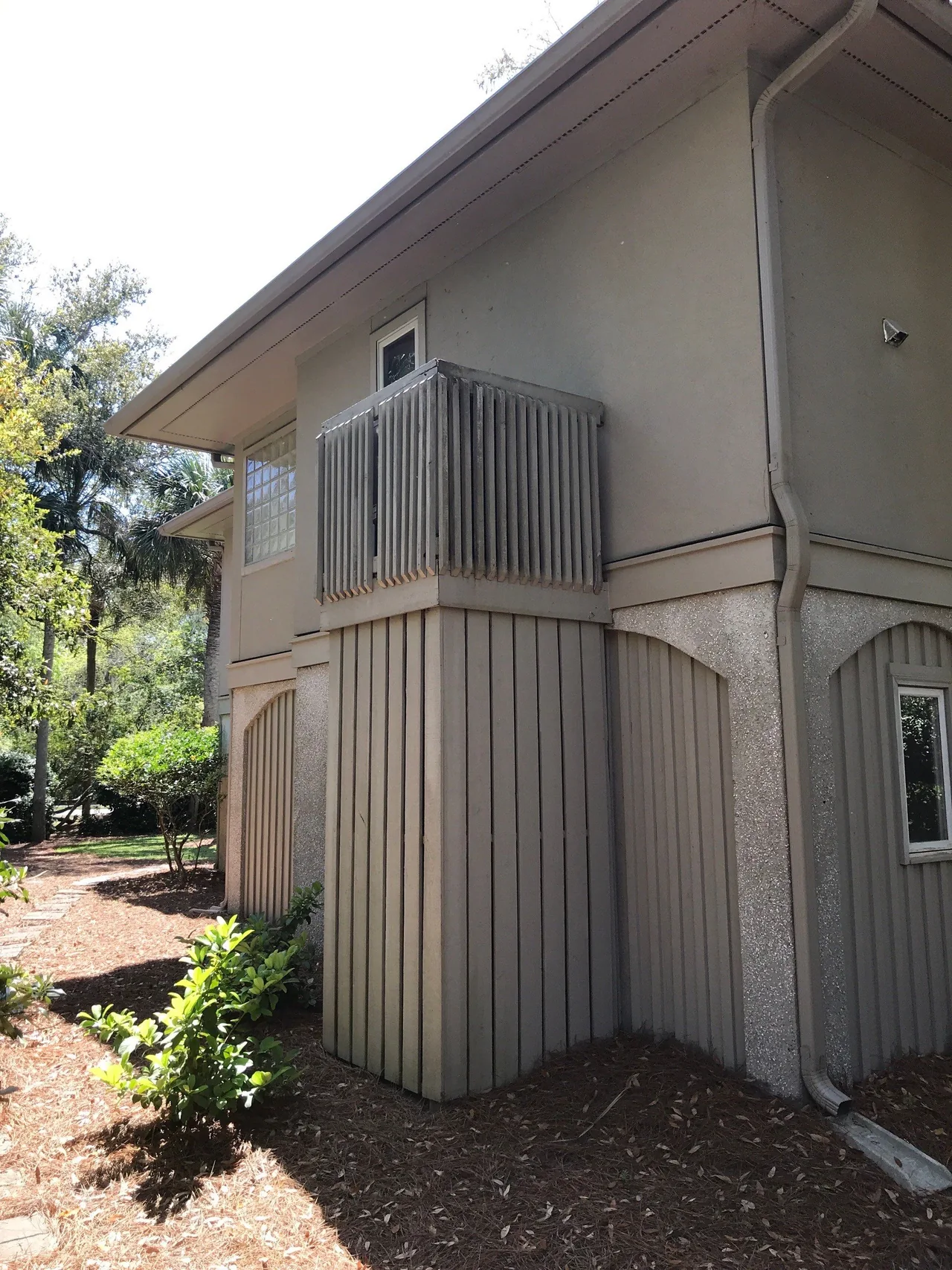
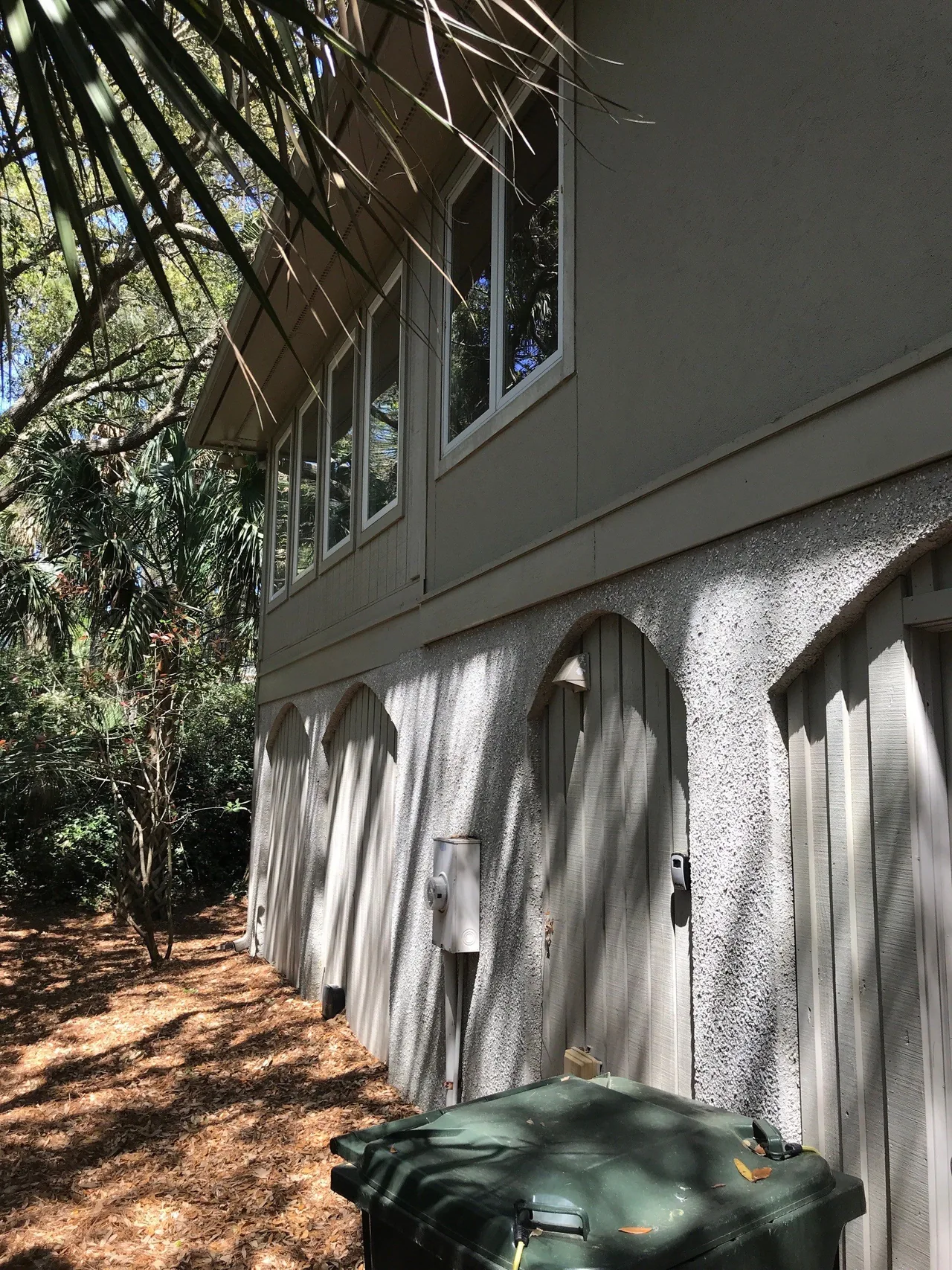
- Existing exterior, April 2022
You can love the idea of new James Hardie siding and still get stuck on the next decision: should the boards arrive with their finished color, or should the house be painted after the siding goes up? When you're already making a substantial investment in your Myrtle Beach or Charleston home, that choice deserves more than a quick description of one option as the upgrade.
The useful question is what you're buying with each approach. You might want fewer separate finishing decisions, a particular shade beside existing brick, or a coordinated exterior that includes porch columns and older trim. Those priorities can point in different directions. Start there, and the comparison becomes much easier to understand.
What factory finished actually means
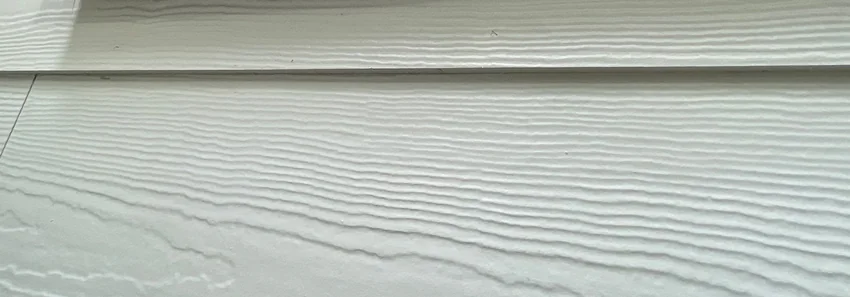
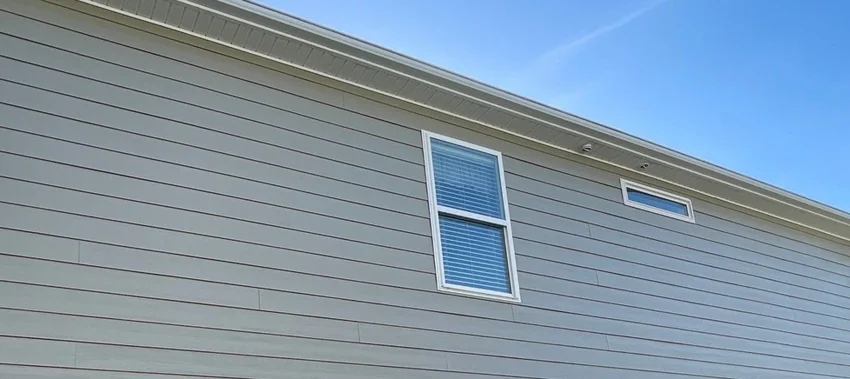
James Hardie describes ColorPlus as a factory-applied finish cured onto its siding. Primed siding is prepared for painting afterward. That's the basic distinction: where and how the finish is applied. It doesn't tell you that every product, profile or color is available for your address. Ask for the exact combination proposed for your house.
Keep the finish choice separate from the siding layout. A homeowner can prefer horizontal lap siding and still need to choose the finishing approach. Another might want an accent texture that changes the available choices. Settle the look you want, then confirm which products and finishes can deliver it without substituting something you haven't seen.
A real local request shows why the exact selection matters
A Charleston-area homeowner contacted Contract Exteriors about replacing the siding with Hardie and expressed interest in ColorPlus, with approval still needing confirmation. That request separates two useful decisions: which finish the homeowner wants and whether the proposed selection can proceed. The example here uses the existing exterior before replacement, not an installed ColorPlus result.
For your own home, bring both questions into the estimate early. Identify which surfaces will remain, review the proposed siding and trim together, and confirm any required association review before ordering. You may have a preferred finish before you've settled every product and color. That's a useful starting point as long as the unresolved selections are made clear rather than hidden inside an allowance.
Sources: Contract Exteriors project records
Compare the same completed scope
Two siding prices can look comparable while describing different stopping points. One might include factory-finished siding and some matching trim. Another might include primed siding but leave the painting scope unclear. You can't judge the finish premium until both proposals tell you what the house will look like when the contracted work is complete.
Ask which surfaces receive new material, which get painted and which stay as they are. Include window surrounds, corner boards, porch details and other areas within the agreed scope. If you're unsure what belongs in that discussion, our siding trim proposal guide explains why those details deserve their own attention. A finish decision should not conceal a scope difference.
YOUR HOME. OUR EXPERIENCE.
Thinking about new siding for your home?
Talk with Contract Exteriors about siding options, trim and the work your exterior needs. Start with a free estimate.
Book Your Free EstimateOur team will call to discuss your project and confirm appointment details.
Give a custom color a fair hearing
Sometimes the color is the point. You may have a brick exterior you're keeping, an existing door you love or an approved neighborhood palette that leaves little room for compromise. If the proposed factory finish doesn't produce the combination you want, ask about a suitable primed and painted alternative rather than settling because one finish was presented first.
That alternative needs a clear painting specification and a named responsibility for the work. Ask what paint system is proposed, how adjoining materials will be handled and how the finished work will be reviewed. You're comparing two ways to complete the exterior. A detailed proposal makes either approach easier to evaluate; an unexplained promise of a custom color doesn't.
Look at samples against what will remain
Take the samples outside. Put them beside the brick, window frames, entry door and other finishes that won't change. Look from the driveway and from the porch. A color that seems warm in your kitchen can read differently beside a large permanent surface. This is a design judgment you can test before committing to an entire wall.
Try to narrow the choices before asking for repeated renderings. A rendering helps compare the overall arrangement, while a physical sample gives you something real to examine at the house. Use both for their different jobs. Our guide to choosing siding and trim colors goes further into the palette decision, which remains separate from the finishing method.
Keep South Carolina weather in the planning conversation
The South Carolina State Climatology Office describes the influence of warm, moist ocean air and summer thunderstorms. That broad regional context makes it sensible to discuss how any on-site painting will be scheduled around the actual conditions and the specified coating's requirements. It doesn't establish a drying time or painting schedule for your home.
Ask how weather-related changes will be communicated and which work must be complete before the next step starts. Factory finishing moves the original board-finishing process off site, but your project still needs an organized installation and completion plan. Request that plan for the option being offered instead of assuming a finish choice guarantees a particular completion date.
Sources: South Carolina State Climatology Office regional climate context
Protect the money for the wall behind the finish
If the estimate identifies necessary repair work, keep that in the budget before spending more on the appearance. A more expensive finish doesn't resolve an uninvestigated water-entry problem or replace damaged material behind the siding. The contractor needs to establish the relevant scope and explain how additional findings will be documented and priced.
You don't need to assume your home has hidden damage. You do need to know how the contract handles it if work exposes an issue. Our hidden-damage quote guide covers that decision in more detail. Once the essential work is accounted for, you can compare finishing options without quietly borrowing from the repair budget.
Ask about future care without accepting a fixed repainting promise
A good buying conversation includes what happens after the project is finished. Ask for the care instructions for the proposed products and finish, who handles installation damage and where you'll obtain the correct information if a future repair is needed. Keep the product and finish names with the paperwork rather than relying on your memory of the sample.
Treat warranty questions separately from maintenance expectations. Request the actual applicable documents and ask which terms concern the siding, its finish and the contractor's workmanship. A warranty period doesn't tell you when your particular house will need repainting. Avoid deciding on the strength of an unsupported promise that you'll never have to think about the exterior again.
YOUR HOME. OUR EXPERIENCE.
Ready to put your siding plan together?
Bring your questions about materials, finishes and scope to Contract Exteriors. Get help comparing the next steps for your home.
Book Your Free EstimateOur team will call to discuss your project and confirm appointment details.
Ask for the price difference you can actually use
The most useful comparison is the difference between two complete, clearly described options for your house. Keep the siding area, repair assumptions, trim scope and other major decisions consistent wherever possible. If those items change, ask the contractor to explain the changes separately. Otherwise, a finish comparison can accidentally become a comparison between different projects.
You can then decide what that difference means to you. Would you rather select the offered factory color, pursue a particular painted color or simplify another optional design feature? There's no need to invent a universal percentage premium. The number that matters is the documented difference in your proposals and whether the resulting appearance is worth that amount to your household.
Choose the option you can explain in plain language
Factory-finished siding is a strong candidate when the actual color and product suit the house and the complete scope makes sense. Primed siding deserves consideration when the painted finish is central to the design and the proposal clearly includes that work. Neither answer requires treating the other option as a compromise you should feel bad about.
Before signing, try explaining your choice in one sentence: we chose this finish because it gives us the exterior we want within a complete, understandable scope. If you can't finish that sentence, take the samples and proposals back to the conversation. The project planning tools can help organize what you want to keep, replace and compare before requesting an expert opinion.
Bring a small decision list to the consultation
Write down the surfaces you're keeping, your preferred colors and the one or two details you're least willing to change. Bring photos of your own home from several sides, along with any association requirements you already have. Ask which selections still need confirmation and what must be decided before materials can be ordered.
Leave with the next step attached to a person and a decision. That might be reviewing a larger sample, obtaining a complete painted alternative or confirming an available siding profile. A useful consultation should move your choice forward. You shouldn't have to accept a finish label as the answer to every question about a substantial exterior renovation.
Before the order is placed, ask to review the final selection in writing. James Hardie notes that regional availability varies, so confirm the proposed product and color for your address rather than relying on a national catalog. Check that the written selection agrees with the sample and the approved scope. This is a small step that makes a large purchase easier to understand.
Sources: James Hardie product and regional availability FAQs
Another Angle
Begin with the retained home
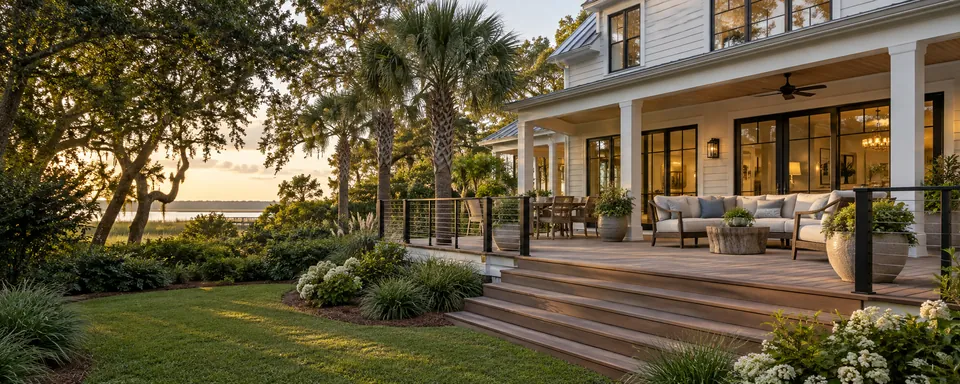
The distinction between an impressive siding sample and a convincing exterior is continuity. A sample offers one color on one surface. A house places that color beside openings, corners, porch recesses and materials that may have been selected years apart. The finish decision becomes more valuable when it helps those relationships feel deliberate.
Consider the parts of an exterior that are already fixed. Brick may have several tones rather than one. A window frame may appear clean white beside one sample and noticeably warmer beside another. A porch ceiling may occupy little of the street view while dominating the experience of arriving at the door. These are separate viewing conditions, and each can expose a weak relationship in an otherwise attractive palette.
From this perspective, there is little value in demanding that every surface match exactly. Different materials have different textures and receive light differently. A more useful objective is a clear hierarchy: a dominant wall color, a consistent treatment of the openings and a limited number of accents. The eye should be able to understand the whole before becoming occupied with individual details.
Test the finish from everyday views
A factory-finished option can support that discipline when its available palette gives the home the relationships it needs. A painted option can support it when the design depends on a particular relationship that the proposed factory selections don't achieve. Neither finishing method supplies the design judgment automatically. The relevant question is whether the choice serves the composition you are actually building.
One useful exercise is to review the house from the approach, then from a place where you spend time. The first view might emphasize the relationship between the garage and entrance. The second might emphasize a long side wall beside a patio. A color decision made only for the front photograph can leave the everyday view unresolved. The quieter elevations deserve consideration even if they receive fewer decorative details.
Balance precision with restraint
There is also a tradeoff between precision and flexibility. Pursuing a particular color can justify additional coordination, but that coordination should produce a visible benefit you care about. If two near-identical choices work equally well against the retained materials, the more complicated route may add effort without improving the design. Conversely, accepting the wrong undertone for convenience can affect the entire exterior.
The same restraint applies to accents. Changing finish systems, textures or colors at every available break can make an expensive project feel fragmented. A carefully chosen main surface often needs less embellishment than a sample board suggests. Let an accent explain a real part of the house, such as an entrance or a distinct volume, instead of using it simply because another option is available.
The most persuasive result is one in which the new siding belongs with the retained home. That is an editorial design judgment, not a promise of a particular property's outcome. It gives the buyer a useful standard, however: evaluate the finish through the relationships it creates. Paying for a finish becomes easier to justify when you can point to the specific part of the house that the choice makes more coherent.
A FEW MORE ANSWERS
Questions homeowners ask
Can I get an estimate for both factory-finished and primed siding?
Ask whether both options are available for your proposed products and address. Request complete installed scopes so painting, trim and repair assumptions can be compared fairly.
Does choosing ColorPlus mean all of the exterior trim matches automatically?
No. Identify each siding and trim product, its color and whether it arrives finished or needs on-site painting. Existing surfaces need their own treatment decision.
Should I choose the color before asking about association approval?
Review the requirements early. Obtain any necessary approval for the actual proposed materials and colors before ordering; do not assume an attractive sample is an approved selection.
Will the factory-finished option always be cheaper overall?
The complete proposal determines that. Material, painting, access and scope can differ. Ask for the documented price difference for the same project rather than assuming a universal saving.
Can a rendering replace a physical siding sample?
Use it to compare the overall arrangement. Also examine a physical sample at your home beside retained finishes before making the color decision.
Does the finish warranty replace a workmanship warranty?
Treat them as separate questions. Obtain the applicable manufacturer and contractor documents and ask who handles each type of issue.
Sources and review
Contract Exteriors project evidence: Internal project records and original CompanyCam photographs support the project examples described in this article. Customer records and identifying details remain private. Project examples are separate from the manufacturer guidance and other published references below.
Anonymous Contract Exteriors request and original CompanyCam existing-condition photographs matched privately to the same property. Requested products and reported concerns are separate from installed selections, assessed conditions and completed outcomes. Customer identities and private project information are withheld.
- James Hardie on the ColorPlus finishing process
- James Hardie product and regional availability FAQs
- South Carolina State Climatology Office regional climate context
- Contract Exteriors project records — Anonymous historical request and original existing-condition photographs privately matched to the same property. Public link opens the company portfolio; private source records are not published.
Editorial review details
Reviewed for Contract Exteriors by Bill Schum, Marketing Director, Contract Exteriors, on November 13, 2026. Scope: Editorial oversight, source and project-record checks, photo-originality review, and mobile/desktop presentation checks. Research and editing were supported by AI tools. Design commentary reflects an editorial perspective and does not constitute professional architectural or engineering advice or a property-specific site assessment.
Our sourcing and corrections standards · Report a correction
Related planning resources
siding · planning · james hardie · charleston