A new window is only part of the question
Project at a glance
- Local example
- Myrtle Beach, South Carolina
- Starting request
- Replacement of four windows with reported interior deterioration
- Recorded selection
- 800-series double-hung windows
- Documented stage
- Replacement completion recorded August 2026
- Article focus
- Scope questions; no diagnosis of concealed damage or moisture source
When the wood around a window looks tired, the first thought is often simple: let's replace the window and be done with it. That might be part of the answer. But once you're seeing deterioration around the opening, the conversation needs to cover what surrounds the window as well as the unit you're buying. Otherwise, two people can agree to window replacement while imagining very different finished jobs.
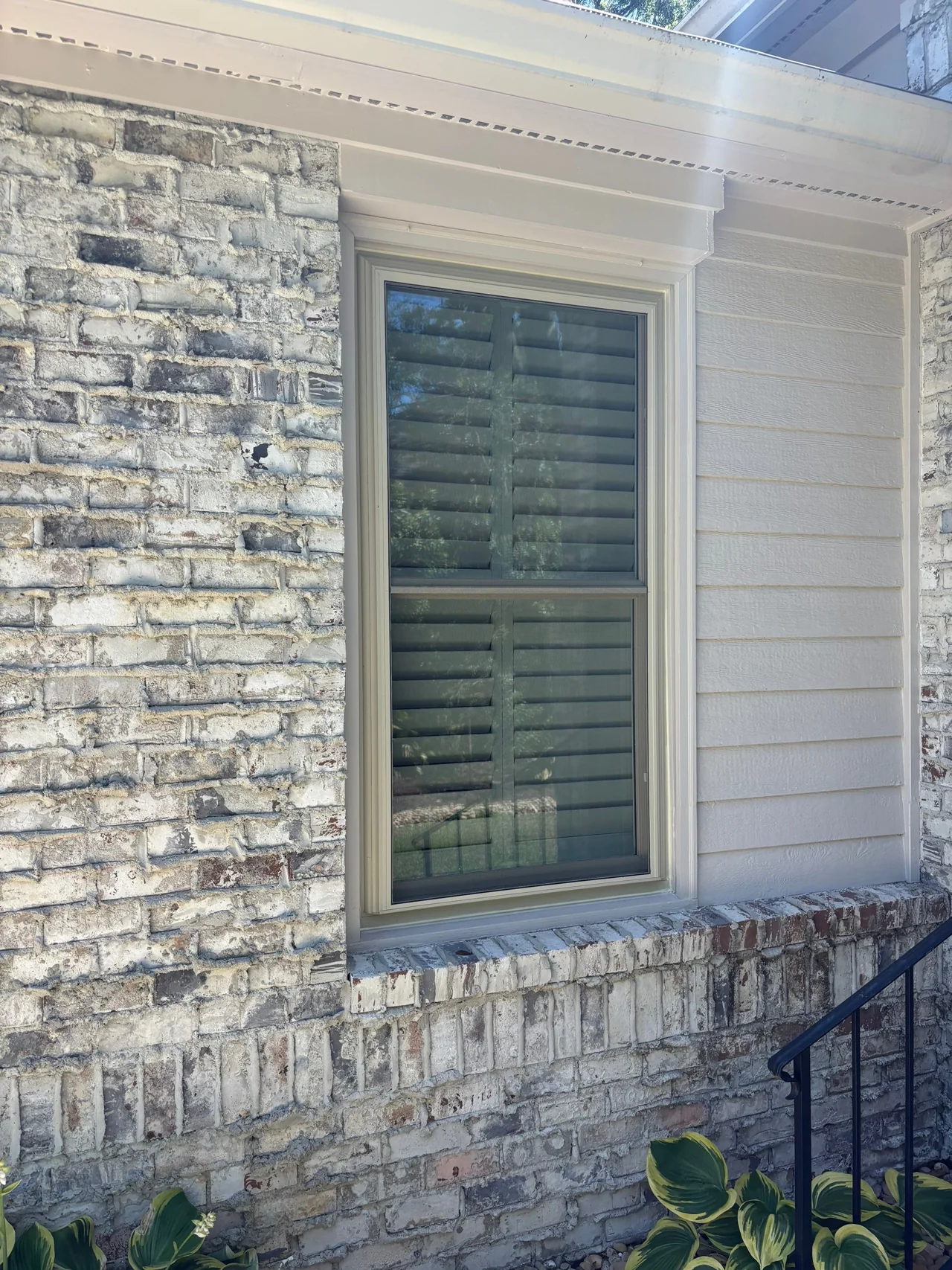
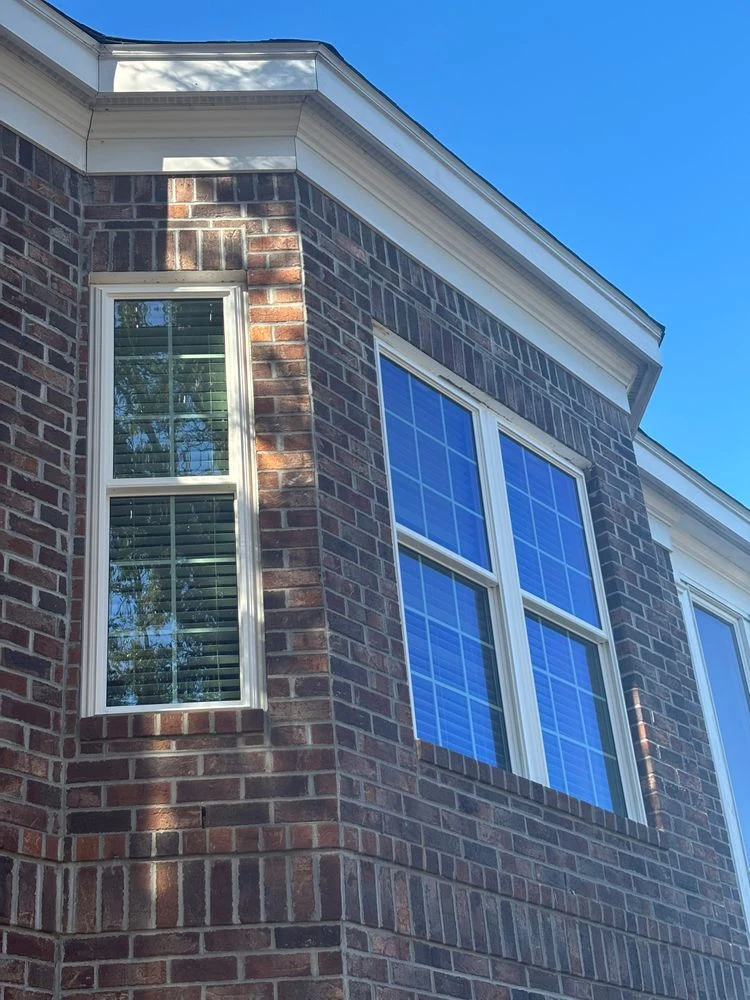
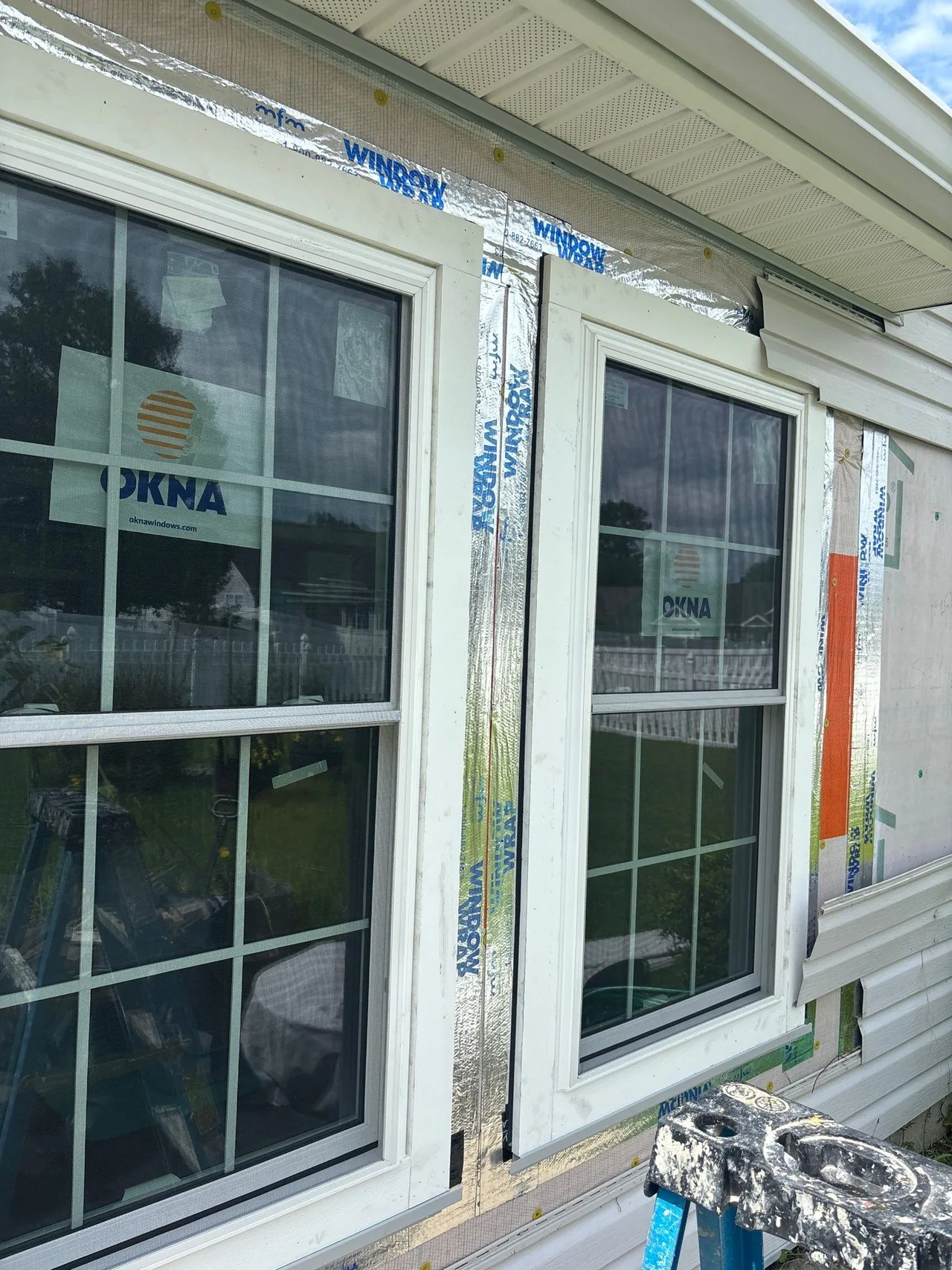
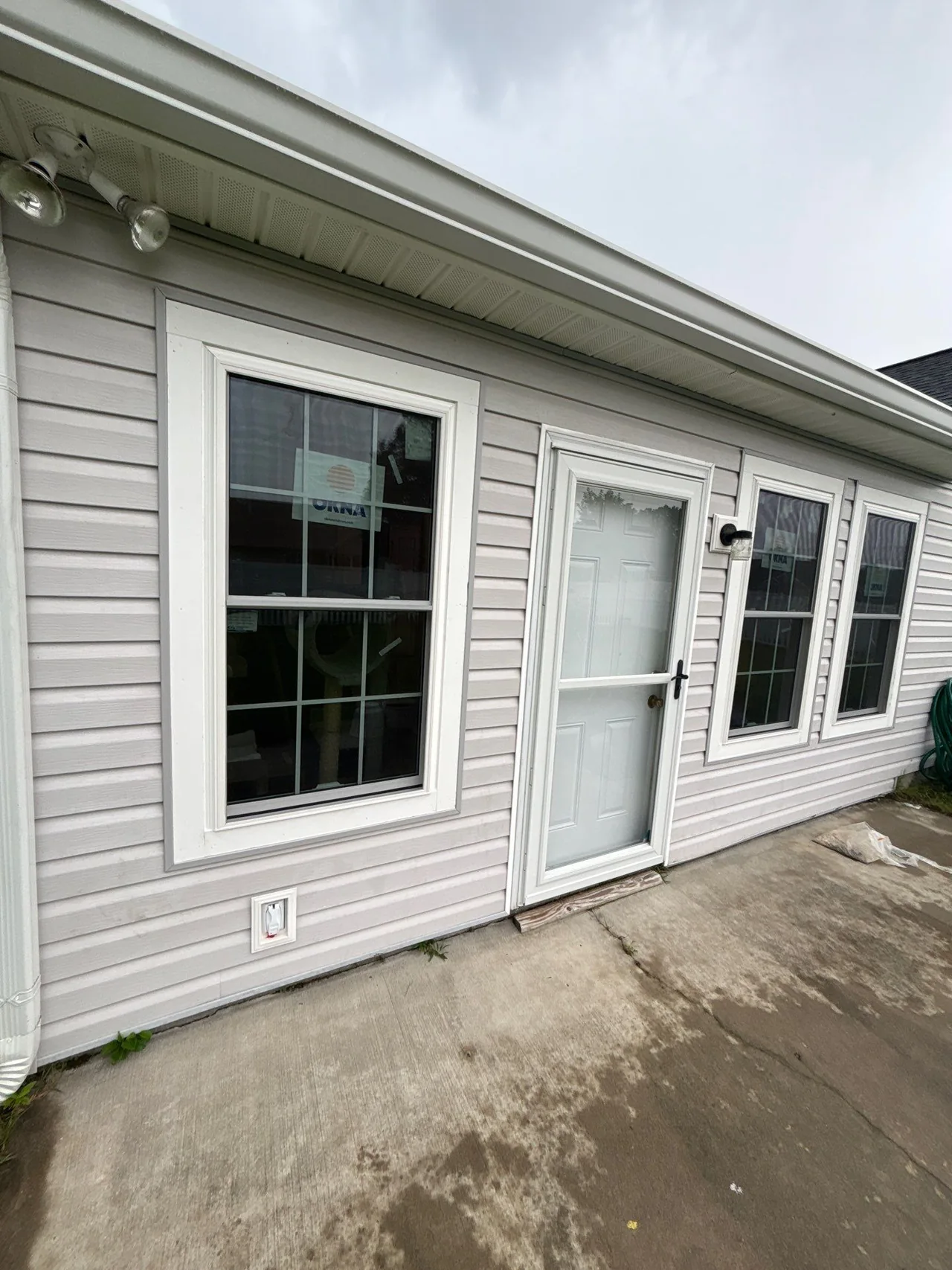
A Myrtle Beach homeowner contacted our Contract Exteriors team about four windows described as deteriorating from the inside. The completed project includes an 800-series double-hung selection, and the photographs show original interior surrounds, work around the exterior openings and later installed windows. It's a useful local example of why the window and its surrounding finishes deserve attention together.
The original concern was a homeowner report, not a moisture investigation or a confirmed diagnosis of decay. We aren't identifying a cause from these photographs. This historical four-window project also doesn't describe our current sales scope: Contract Exteriors currently offers whole-home window replacement. The lesson applies when you're preparing that larger assessment and want the troublesome openings properly addressed.
Describe the symptom before choosing the solution
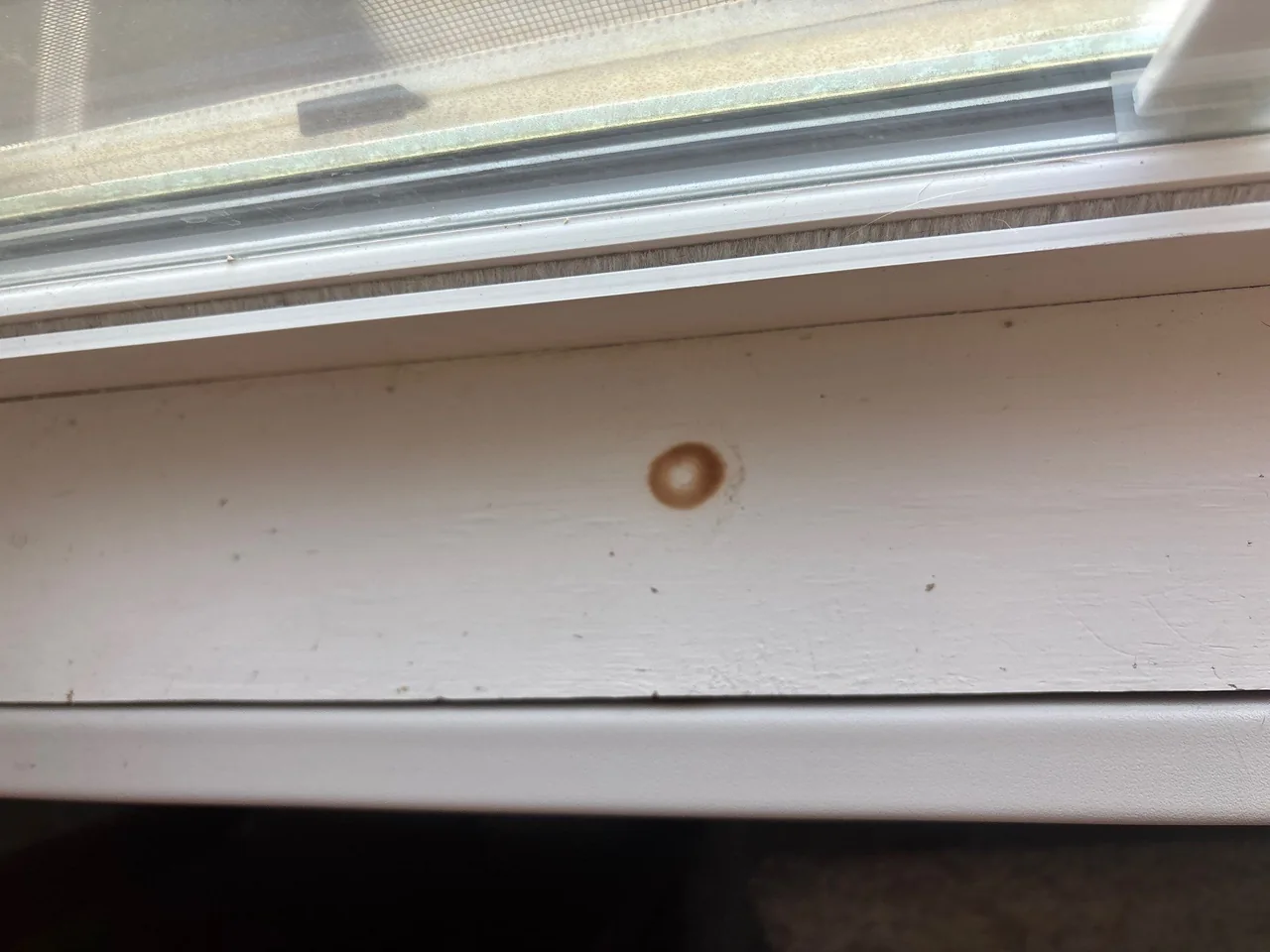
Start with what you've noticed. Perhaps paint keeps lifting in one corner, the sill feels different, or staining returns after you've cleaned it. Tell the person assessing the windows where the concern is, when you first noticed it and whether it changes with weather or indoor conditions. Those observations give the appointment a useful starting point without asking you to decide what's happening inside the wall.
Keep the language specific. A photograph of a mark is more helpful than a confident diagnosis made from its color. If you have earlier photographs showing a change over time, bring them along. You don't need to remove trim or disturb suspect material to prepare for a quote. Ask the contractor how the opening can be assessed and whether another qualified professional is needed for a particular concern.
The distinction matters because glass, the window frame, trim and the wall around the opening are different components. A problem near a window doesn't automatically mean the glass or operating sash caused it. Likewise, a window that opens well can still have a surrounding condition worth investigating. Give the assessment room to establish the actual scope instead of forcing every concern into a product choice.
Keep the moisture question separate from the new-window selection
A fresh window can look reassuringly complete, especially when the new trim is neat and the old discoloration is gone. Appearance alone doesn't explain why the original material deteriorated. The U.S. Department of Energy's Building America guidance describes flashing as part of directing water out of a wall and explains that much of it is concealed. That is a reason for an appropriate assessment, not a diagnosis of this Myrtle Beach home.
EPA's homeowner moisture guidance makes the broader point that controlling moisture is central to preventing recurring mold problems. We're using that general principle here, without claiming the photographed home had a confirmed mold condition. If moisture is a concern at your property, discuss who will evaluate it and how that work relates to the replacement scope. Product selection and investigating a water problem should have distinct answers.
Our cold-window guide discusses another common source of confusion: drafts and condensation can be different concerns. A homeowner may notice them at the same opening, but that doesn't establish one cause or one remedy. Bring the symptoms to the appointment and ask for an explanation suited to the house, rather than assuming a familiar label settles the decision.
Sources: U.S. Department of Energy / PNNL: Look for Missing Window and Door Flashing · U.S. EPA: A Brief Guide to Mold, Moisture and Your Home
YOUR HOME. OUR EXPERIENCE.
Planning a whole-home window replacement?
Talk with Contract Exteriors about your rooms, window options and the work around each opening. Start with a free estimate.
Book Your Free EstimateOur team will call to discuss your project and confirm appointment details.
Have the proposal draw a clear boundary around the opening
A useful proposal identifies more than window quantity and model. It should explain what happens to the existing frame, surrounding trim and adjacent finishes, to the extent those decisions can be made before work starts. Have the contractor point out what stays, what is removed and what gets restored. Plain language is fine. The important thing is that you can connect the written scope to the opening you're looking at.
For example, replacing an operating window while retaining surrounding material is a different scope from work that also involves repairs to the opening. Neither description tells you which is appropriate for your home. Ask why the proposed approach fits the assessed conditions, what its limits are and what could change the plan. Avoid choosing by the shortest installation description or by assuming more demolition is automatically better.
This is also where our interior-trim guide fits. It uses another set of unused photographs from the same Myrtle Beach project to discuss how new windows meet retained finishes. This article asks a different question: what the proposal should address when deterioration is part of the initial concern. Read the two together if you want to prepare both the condition questions and the finish questions.
Agree on a process for conditions that are still concealed
Some questions may remain open until the authorized work exposes the area. That's different from leaving the repair process undefined. Before signing, ask how a newly discovered condition will be documented, how the proposed response will be explained and when you approve additional work. The agreement should make it clear who contacts you and how a change affects the scope and price.
You'll want enough information to understand the decision. Ask for a description of the affected component and photographs where appropriate, along with the proposed work and any relevant limits. If a condition requires assessment beyond the window installation team's scope, the next step should be identified. A change order shouldn't leave you guessing whether you're paying for a visible finish repair or work farther into the opening.
It also helps to understand how an unexpected condition affects the day's plan. Discuss protection of the work area and communication if completion of that opening must wait for a decision. This isn't a request for a guaranteed schedule before the condition is known. It's a practical way to know how the house and the conversation will be managed if the plan changes.
YOUR HOME. OUR EXPERIENCE.
Ready to compare your whole-home window options?
Bring your questions about styles, glass, finishes and installation scope to Contract Exteriors. Get help planning the next step for your home.
Book Your Free EstimateOur team will call to discuss your project and confirm appointment details.
Put the finish work in writing while everyone is looking at it
Stand on both sides of the window and picture the finished result. What happens to the inside sill and casing? Is painting included, or will you arrange it afterward? On the exterior, what trim or siding work belongs to the window contract? The answer may differ from opening to opening, particularly when the house has had additions or earlier renovations.
The Myrtle Beach photographs show interior wall finishes close to the window surrounds and exterior siding around the replacement work. Those adjoining surfaces make the scope tangible. They don't prove that hidden material was sound or that every existing piece was retained. For your own project, have the proposal identify the intended treatment rather than relying on the finished appearance of someone else's home.
Matching can be another decision. A replacement trim piece may have a different profile, and an old finish may have changed in appearance. Ask to see the proposed materials and understand the extent of painting or refinishing. A whole-home window plan is a good opportunity to resolve those details consistently while allowing different rooms to retain their own character.
Compare the same window and the same surrounding scope
A window-only price and a proposal with defined surrounding repairs aren't equivalent offers. Before comparing totals, line up the product, opening treatment, repair assumptions, finish responsibilities and exclusions. Identify anything still awaiting assessment. You can then decide whether a higher figure buys work you actually need, rather than treating every difference as a markup on the same window.
Keep product and workmanship questions distinct, too. Ask for the applicable coverage documents and the party responsible for each part of the work. Don't assume a window product warranty covers existing wall conditions or every repair near the opening. The point is to know where to go with a question later, with the agreed scope and product information already in hand.
Our replacement-window resources and project planner can help organize the appointment. Bring the troublesome locations, your preferred operation and appearance, and the finish questions together. A good outcome from the quote visit is a clear next decision: what can be specified now, what needs further assessment and how the complete whole-home scope will address the openings that started the conversation.
Use the whole-home assessment to prioritize the right concerns
A whole-home appointment doesn't mean every opening has the same condition. Make a simple location list so the window with reported deterioration doesn't get lost among style and color decisions. Separate what you've observed from what you want changed for appearance or convenience. That helps the contractor organize the assessment while preserving a clear reason for the project.
Also establish who will confirm any required approvals for the actual property and scope. A Myrtle Beach mailing address alone does not establish the permitting authority. Horry County describes its building-permit and inspection role as applying within the unincorporated county. Have the responsible jurisdiction and any applicable association review confirmed for your address; this article doesn't determine a permit requirement for the pictured home or for your replacement project.
Sources: Horry County Code Enforcement: jurisdiction and permit resources
Another Angle
Treat the surround as part of the room
A window is often selected as a product but experienced as part of a room. Its surrounding trim gives the opening depth, the sill meets everyday objects and the adjacent wall establishes the finish that feels complete. When deterioration enters the conversation, those familiar surfaces become part of a larger scope decision. The design challenge is to preserve a coherent room while allowing the assessment to determine what the opening needs.
The Myrtle Beach example is especially useful because the interior surrounds sit close to existing wall finishes. The photographs make that relationship visible without answering the concealed-condition questions. A replacement can be visually tidy and still require a separate explanation of what was retained, repaired or left for later work. The appearance and the underlying scope should be legible to the homeowner in different ways.
This is where a small amount of visual preparation can improve the proposal. Identify which parts of the opening contribute most to the room's character: the trim profile, the proportion of the surround, the sightline or the way a finish returns to the window. Those observations do not dictate an installation method. They tell the contractor which visible relationships deserve discussion when repair and replacement options are developed.
Coordinate consistency without flattening differences
Consistency across a whole-home project deserves the same attention. Repeating a window style can bring order to the exterior, yet the interior rooms may have different trim and wall treatments. A single generic finish description can conceal those differences. A room-by-room finish schedule, even in plain language with photographs, helps distinguish a consistent product selection from identical treatment at every opening.
That distinction can prevent a subtle disappointment. A homeowner may expect the retained rooms to look largely familiar, while the proposal assumes new trim throughout the affected areas. Another may expect a uniform refreshed appearance, while the contract restores only small disturbed portions. Neither expectation is unreasonable by itself. The mismatch arises when the finished condition has not been described clearly enough before work begins.
A useful design discussion therefore includes boundaries. Where will a new finish stop? Which existing profile is intended to remain? What happens if the assessment requires a change to material the homeowner hoped to preserve? These questions allow the appearance to be planned alongside the condition assessment, without letting visual preferences overrule necessary work. They also make any later change easier to understand.
Separate necessary work from elective change
There is value in distinguishing an essential repair from an elective refresh. The first responds to assessed conditions; the second changes appearance or consistency because the homeowner wants it. When both appear in one proposal, identify them separately. That separation helps explain the price of each choice and gives the homeowner a clearer way to set priorities if the full wish list exceeds the intended scope.
Ultimately, the opening should be understandable as both an assembly and a finished part of the house. Product information explains the new window. The condition assessment explains the surrounding work. The finish description explains what the household will see and use afterward. Bringing those accounts together produces a more complete buying decision, while leaving technical judgments with the people qualified to make them.
A FEW MORE ANSWERS
Questions homeowners ask
Does peeling paint around a window prove the window is leaking?
No. It is a symptom to discuss during an assessment, not proof of a single cause. Show the location and any pattern you have noticed; have the appropriate professional evaluate the opening and surrounding conditions.
Will replacement windows include repairs to surrounding wood?
Only when the agreed scope includes them. Ask which materials are assessed, retained or replaced and how concealed conditions will be handled. Avoid treating the words window replacement as an unlimited repair commitment.
Should I remove trim before the quote appointment?
Do not disturb the opening simply to prepare for a quote. Provide accessible photographs and describe the concern. Let the contractor explain any further assessment and who should perform it.
Can I choose the new windows before all repair questions are settled?
You can discuss styles and preferences, but unresolved conditions may affect the opening treatment and complete scope. Have the contractor explain what must be confirmed before final specifications and ordering.
Is interior painting normally part of the window contract?
It depends on the written agreement. Identify casing, sill, wall touch-up and painting responsibilities separately so you know what finished condition is included and what you may need to arrange.
Can Contract Exteriors replace just the four troublesome windows?
Contract Exteriors currently offers whole-home window replacement. The historical four-window project in this article illustrates scope questions; discuss your current whole-home needs and any areas of concern during the assessment.
Sources and review
Contract Exteriors project evidence: Internal project records and original CompanyCam photographs support the project examples described in this article. Customer records and identifying details remain private. Project examples are separate from the manufacturer guidance and other published references below.
A matched Myrtle Beach four-window project illustrates coordinating replacement with surrounding materials after a homeowner reported interior deterioration. Completion recorded August 2026. No confirmed mold, rot extent, leak cause, concealed repair or performance outcome is inferred. Current Contract Exteriors window offering is whole-home replacement.
- U.S. Department of Energy / PNNL: Look for Missing Window and Door Flashing
- U.S. EPA: A Brief Guide to Mold, Moisture and Your Home
- Horry County Code Enforcement: jurisdiction and permit resources
- Contract Exteriors project records — This article uses matched internal project records and original CompanyCam photographs, reviewed November 9, 2026. Private records are not publicly linked; this link opens the company project portfolio.
Editorial review details
Reviewed for Contract Exteriors by Bill Schum, Marketing Director, Contract Exteriors, on November 9, 2026. Scope: Editorial oversight, source and project-record checks, photo-originality review, and mobile/desktop presentation checks. Research and editing were supported by AI tools. Design commentary reflects an editorial perspective and does not constitute professional architectural or engineering advice or a property-specific site assessment.
Our sourcing and corrections standards · Report a correction
Related planning resources
windows · okna · myrtle beach