Why is the seat beside the window so cold?
Project at a glance
- Local example
- Myrtle Beach, South Carolina
- Work
- Window replacement
- Recorded selection
- OKNA Series 800
- Photographed stages
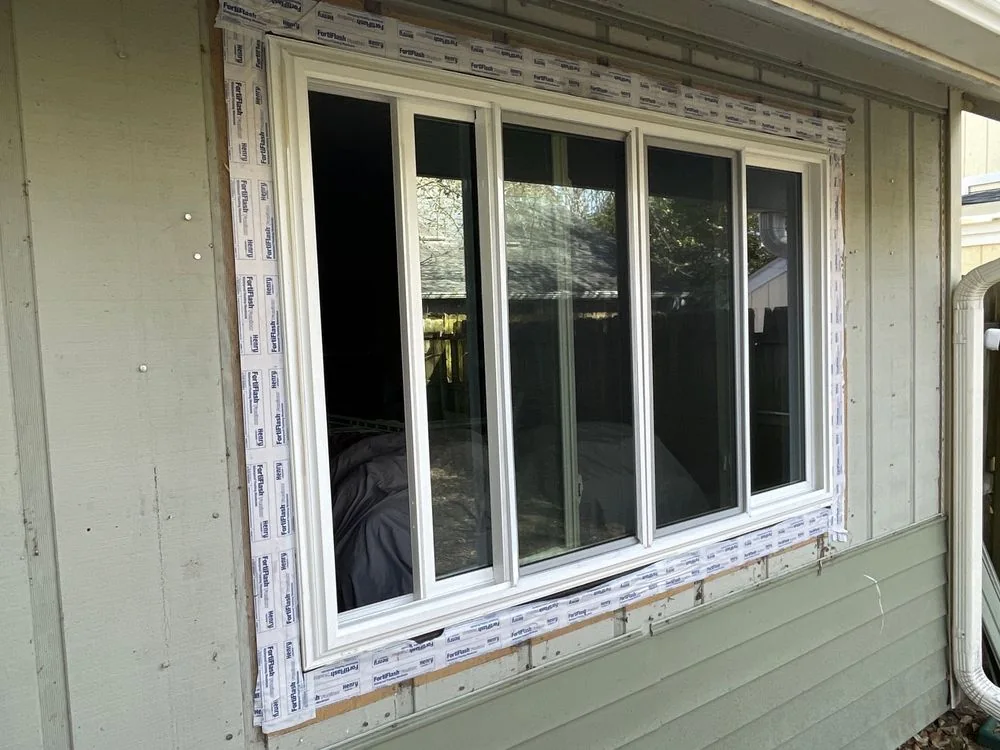
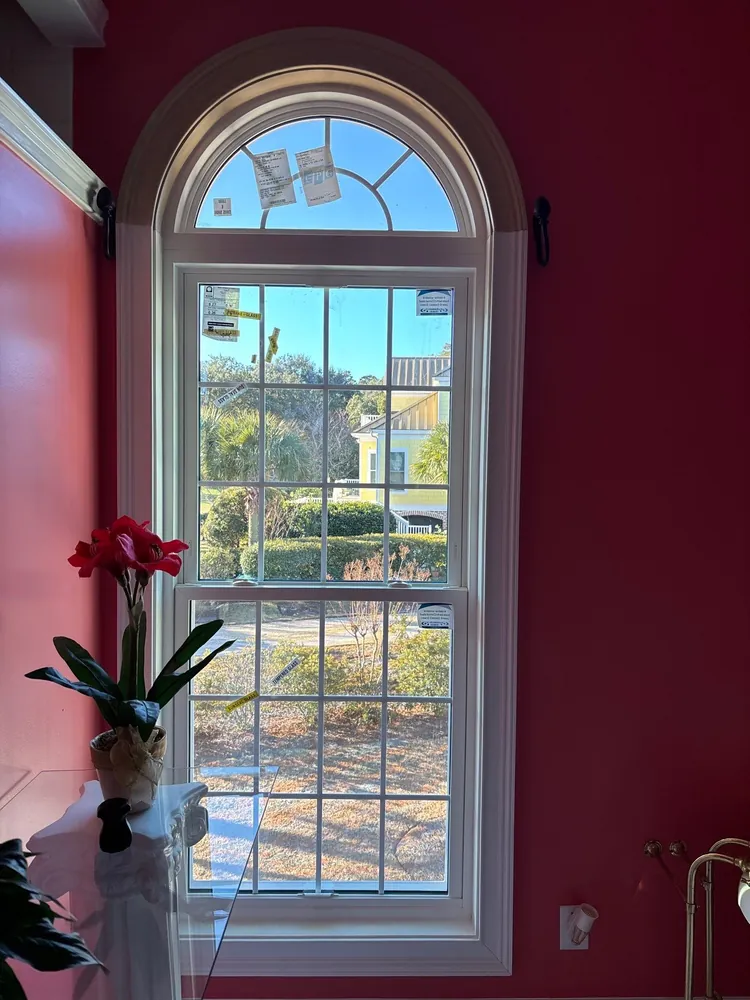
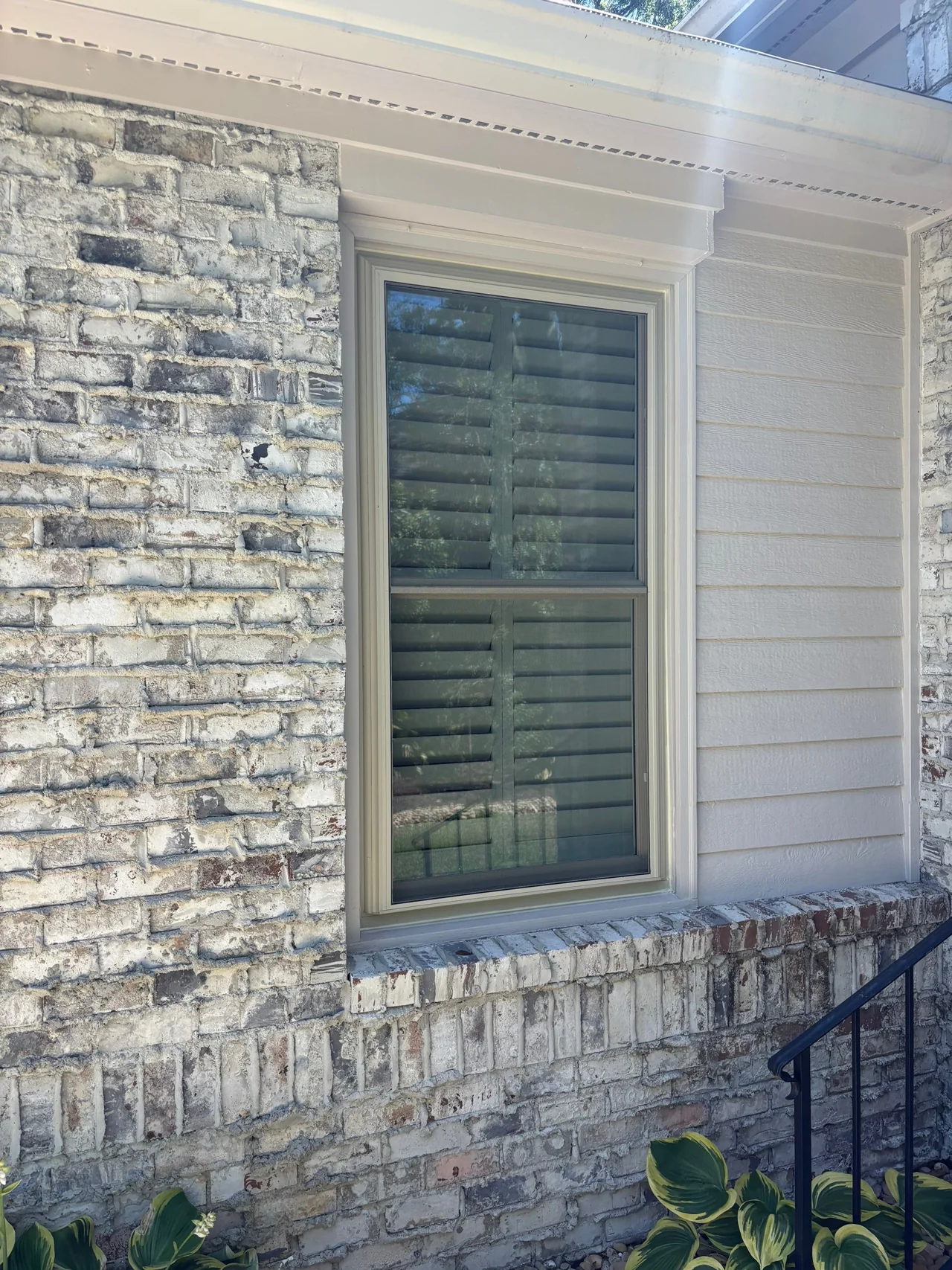
- Original interior and later installed exterior views
The room is warm. So why is that chair beside the window so chilly? You might move away from it, turn up the heat, or start wondering whether the windows need to go. Before making a big purchase, it helps to work out which problem you're dealing with.
Cold glass, air coming through a gap and moisture on a pane can feel like parts of the same winter frustration. They need different questions. Start with what you notice: where you feel the chill, when the glass gets wet, and whether the window shuts properly.
Myrtle Beach and Charleston winters are moderated by the coast, as South Carolina's State Climatology Office explains. That doesn't make every room comfortable. Your window's condition and the room around it still matter.
Sources: South Carolina State Climatology Office: Climate of South Carolina · NFRC consumer guide: Control Comfort
Cold glass or air coming through?
Put your hand near the window without forcing or loosening anything. Are you noticing cold glass, or can you feel air moving at a particular edge? When you call for an assessment, that distinction helps explain what bothers you.
The NFRC comfort guide explains why you can feel chilly near a cold window even when the room's air temperature seems fine. Feeling cold beside the glass doesn't automatically mean outdoor air is coming through a gap.
Tell the assessor whether the window closes and locks normally, too. Our hard-to-open window guide follows that operating problem. And keep the room's summer behavior in mind: the summer glass-selection discussion can help if the same seat gets too sunny later in the year.
Sources: NFRC consumer guide: Control Comfort
YOUR HOME. OUR EXPERIENCE.
Planning a whole-home window replacement?
Talk with Contract Exteriors about your rooms, window options and the work around each opening. Start with a free estimate.
Book Your Free EstimateOur team will call to discuss your project and confirm appointment details.
Where is the water?
Foggy glass can mean two quite different things. OKNA explains that room-side condensation forms when moisture in the air meets a cooler surface. Moisture trapped between the panes points to a different issue with the insulated-glass seal.
If the water is on the inside surface, note when it appears and what is happening in the house. EPA recommends drying wet surfaces and addressing the moisture source. Its general humidity guidance is below 60 percent, ideally 30–50 percent; the right response also depends on the window and weather.
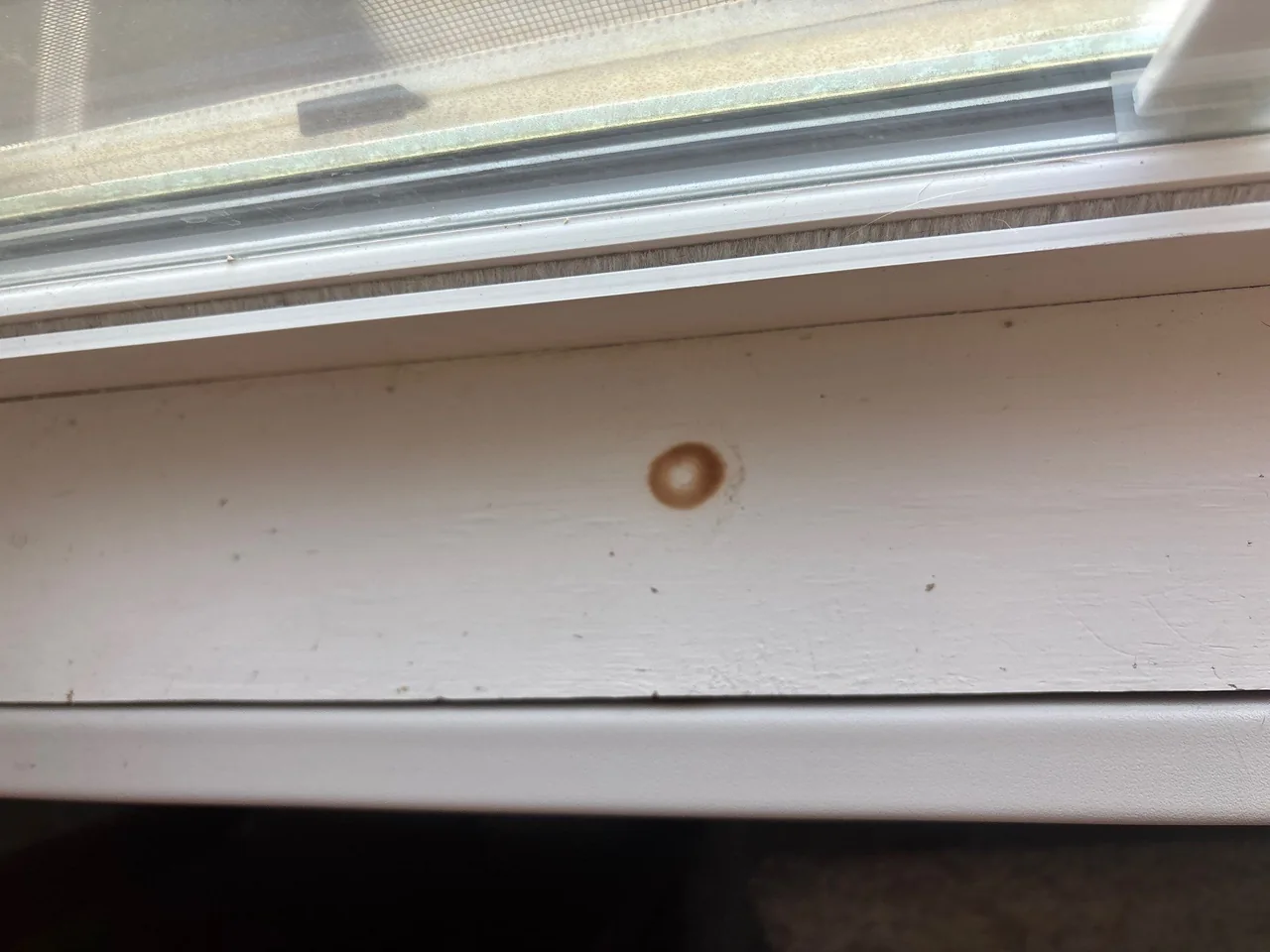
Water that turns up after rain deserves its own explanation. Tell the assessor about that timing rather than assuming every wet window has the same cause. A photograph taken while the water is present can help you explain the problem.
Sources: OKNA: Frequently Asked Questions · EPA: A Brief Guide to Mold, Moisture and Your Home
If replacement makes sense, what comes next?
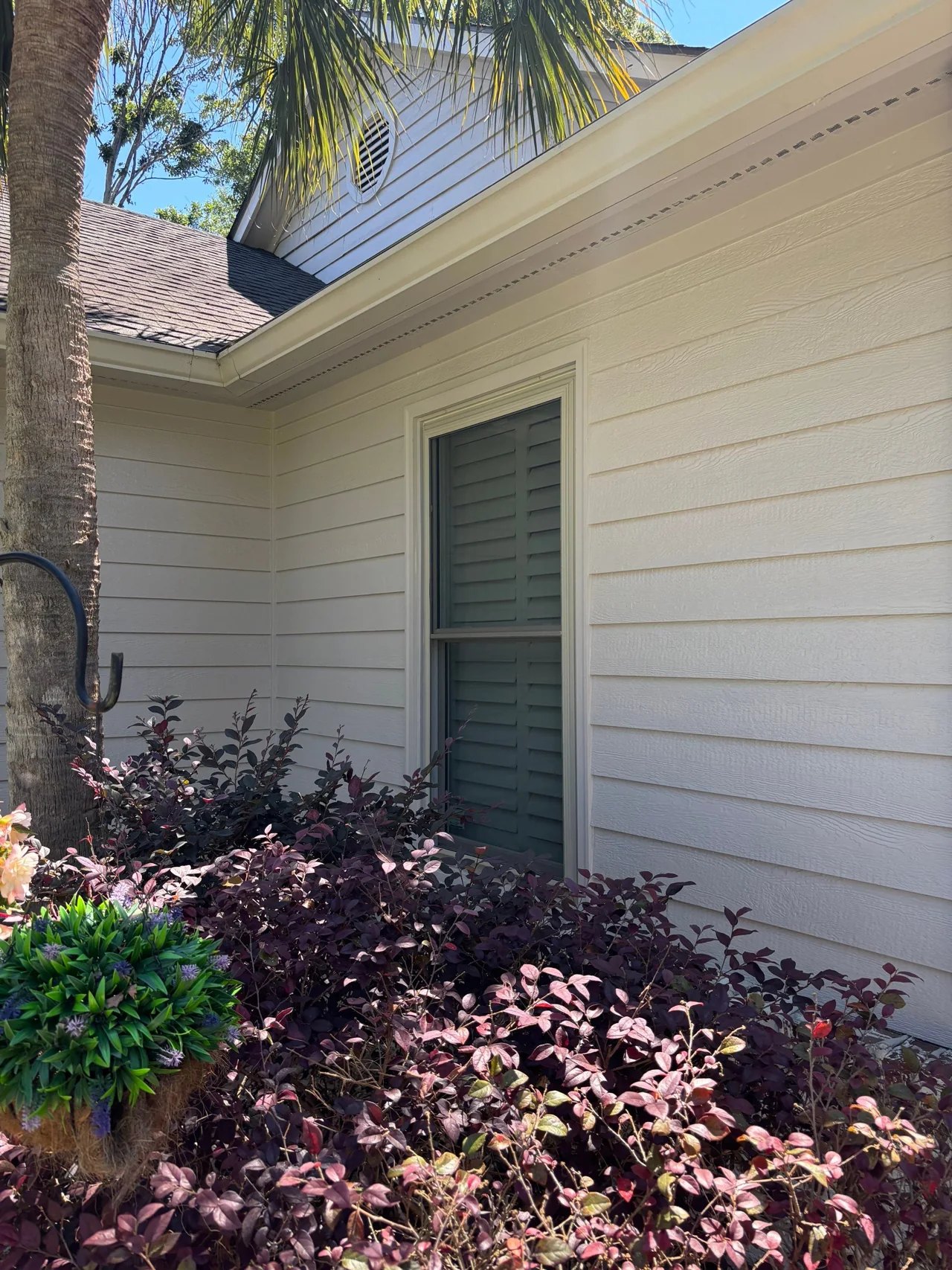
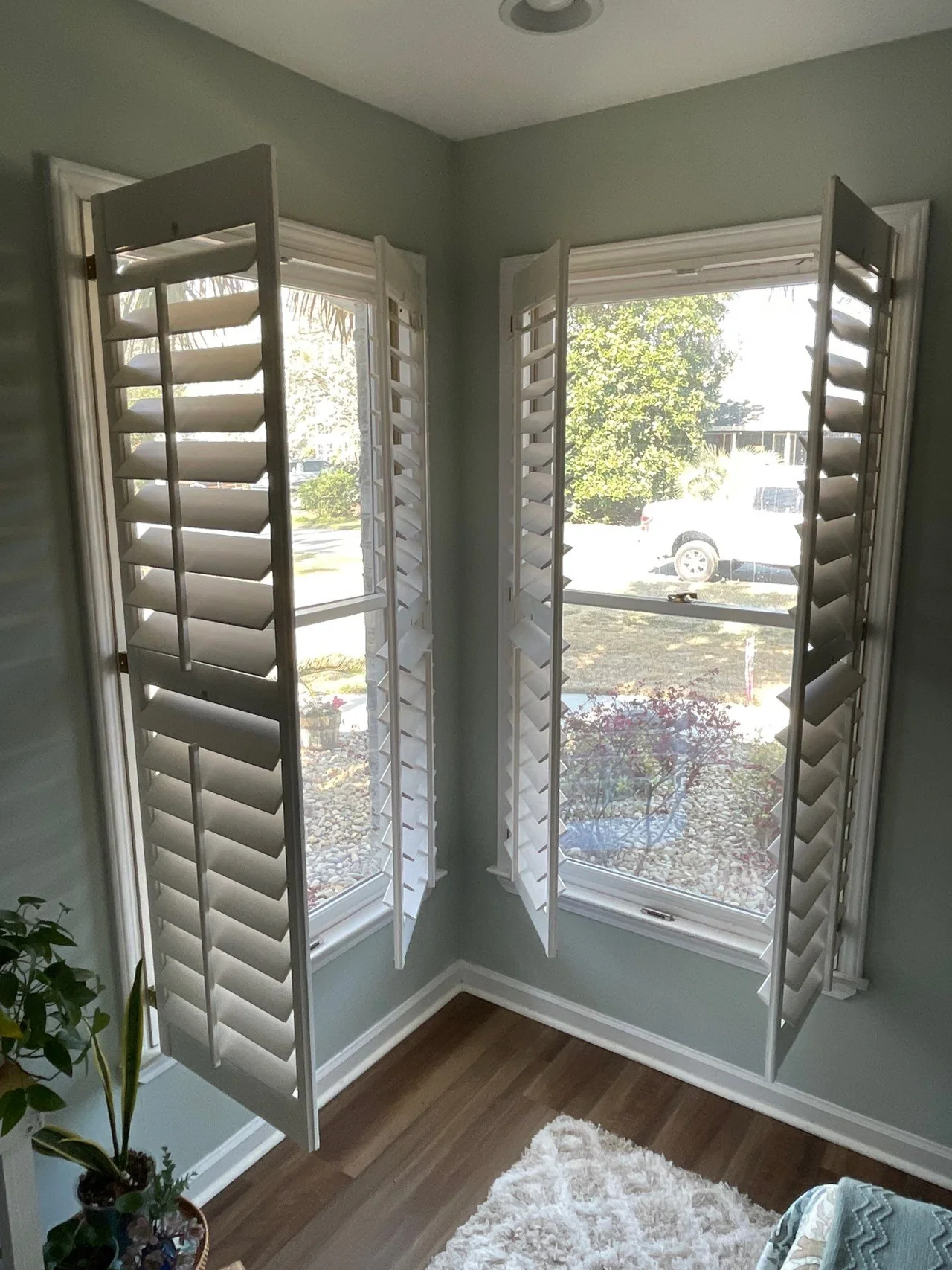
Once replacement is worth considering, the conversation moves from the symptom to the window you're actually buying. One Myrtle Beach Contract Exteriors replacement project used OKNA Series 800 windows. It gives you a local selection to explore, rather than a claim that this homeowner had the same winter problem as you.
Ask to see the proposed unit and its NFRC ratings, then discuss the work around the opening. What happens to the trim? Which preparation and finishing are included? A familiar series name is a starting point, but those details explain the complete purchase.
Our window planning resources bring those questions together. Contract Exteriors focuses on whole-home window replacement, so have a concern at one opening assessed before deciding whether a larger replacement project makes sense.
Sources: OKNA: Frequently Asked Questions
Bring what you have noticed
You don't need to arrive with a diagnosis. A short note is enough: which room, what you feel or see, when it happens, and whether the window works normally. Add any earlier repair attempts or changes after rain.
Ask the assessor to walk you through the finding and the recommended next step. That may be service to a component, work around the opening, or replacement. The aim is to understand why that work fits your problem—so you can make the decision without guessing.
Another Angle
Evaluate the room from its occupied edge
A winter window decision is often initiated by a small territory: the end of a sofa, a breakfast chair, the place where someone reads in the afternoon. The window belongs to an exterior elevation, but its value is also measured from that occupied edge of the room. Our editorial view is that a replacement conversation should begin with those everyday positions. Identify the places people use and the views they would miss before reducing the project to a count of openings.
Consider a hypothetical sitting room with one generous view and two smaller side windows. Replacing all three with an identical visual treatment may produce a tidy schedule while overlooking their different roles. The principal window might frame the garden; a side opening might provide privacy or balance a wall. A coherent selection recognizes those roles. It does not require every opening to become a visual feature, and it does not establish that different glass specifications are technically appropriate without a separate product assessment.
Keep the view and the frame in proportion
The visible frame deserves attention because it changes the relationship between the room and the landscape. Ask to understand what the proposed opening will look like from the normal seated position, including frame divisions, trim and any retained shutters or blinds. A brochure photograph of an isolated unit cannot show that relationship. The practical exercise is to compare the proposed arrangement with what you value in the existing room, using a clear description or a drawing where useful.
Grids can give an elevation rhythm while also dividing the view from inside. An uninterrupted pane may feel quieter, yet it may alter the pattern established by neighboring openings. Neither treatment is inherently more refined. The decision depends on which relationship deserves priority and how the retained windows participate. Our window-grid guide examines that separate design question. The winter complaint should create an opportunity to consider it deliberately rather than allowing a default option to settle the appearance of the entire house.
Choose a room that works across seasons
A coastal South Carolina room also has a life beyond the cooler months. Winter comfort, summer sunlight, daylight and privacy belong in one selection conversation. NFRC distinguishes U-factor, solar heat gain coefficient and visible transmittance because they describe different aspects of a window. They should be explained in relation to the actual configuration and room; one favorable number is not a complete account of how the space will feel or what the household will spend on energy.
This is where a restrained brief is more valuable than an ambitious list of upgrades. Describe the discomfort that needs investigation, the view to preserve, the furnishings or coverings to retain and the visual changes you would welcome. Rank those priorities. If two preferences conflict, make the tradeoff explicit rather than assuming the most expensive option reconciles everything. The result should be a room whose technical scope addresses the assessed condition and whose proportions, light and daily use remain intentional. That is a more durable judgment than choosing a window solely because it is described as a winter improvement.
Sources: NFRC consumer guide: Window Ratings
A FEW MORE ANSWERS
Questions homeowners ask
Does cold glass prove that outdoor air is leaking in?
No. A cold surface can affect comfort near a window without establishing an air leak. Describe where you feel air movement and have the opening assessed rather than assuming the cause.
Does condensation mean I need all new windows?
Not by itself. Room-side condensation involves a cooler surface and indoor moisture. Moisture between panes is a different insulated-glass service question. Identify its location before deciding on scope.
Will reducing humidity fix every wet-window problem?
No. Humidity control can help surface condensation, but it does not establish the cause of rain-related wetness or repair an insulated-glass seal. Recurring moisture needs the appropriate assessment.
Which ratings should I ask about?
Ask for the actual unit's NFRC information and an explanation of its U-factor and solar heat gain coefficient. Compare the specified configuration and installation scope; do not infer household bill savings from a rating alone.
Can I use a photograph to get a definite diagnosis?
A photograph can document a symptom or visible condition. It cannot establish every concealed condition or the complete path of water or air. Include timing and operating observations and expect an assessment where necessary.
Does one uncomfortable window mean a whole-home replacement is sensible?
That depends on the condition and your project goals. Contract Exteriors focuses on whole-home window replacement; clarify whether you need component service, another assessment or that larger project before comparing proposals.
Sources and review
Contract Exteriors project evidence: Internal project records and original CompanyCam photographs support the project examples described in this article. Customer records and identifying details remain private. Project examples are separate from the manufacturer guidance and other published references below.
General window and moisture guidance is distinguished from one Myrtle Beach replacement project’s recorded selection, original interior view and later exterior photographs. No winter complaint, site-specific cause, savings or performance result is attributed to that homeowner.
- NFRC consumer guide: Control Comfort — Window comfort mechanisms; read October 30, 2026. General explanation, not a diagnosis or measurement at the featured home.
- OKNA: Frequently Asked Questions — Condensation, insulated-glass seal failure and NFRC-label guidance; read October 30, 2026. No installed numeric rating or savings result is inferred.
- EPA: A Brief Guide to Mold, Moisture and Your Home — Drying surfaces, moisture-source control and general indoor-humidity guidance; read October 30, 2026. No mold diagnosis or remediation service is offered.
- South Carolina State Climatology Office: Climate of South Carolina — Atlantic moderation of the immediate coast; read October 30, 2026. State/regional explanation, not a forecast or this property's measured exposure.
- NFRC consumer guide: Window Ratings — U-factor, solar heat gain coefficient and visible transmittance definitions; read October 30, 2026. No installed rating, certification eligibility or household saving claimed.
Editorial review details
Reviewed for Contract Exteriors by Bill Schum, Marketing Director, Contract Exteriors, on October 30, 2026. Scope: Editorial oversight, cited-source and project-record checks, photo-originality review, and mobile/desktop presentation checks. Research and editing were supported by AI tools. Design commentary is an editorial perspective, not professional architectural or engineering advice or a property-specific assessment.
Our sourcing and corrections standards · Report a correction
Related planning resources
windows · planning · okna · myrtle beach · charleston