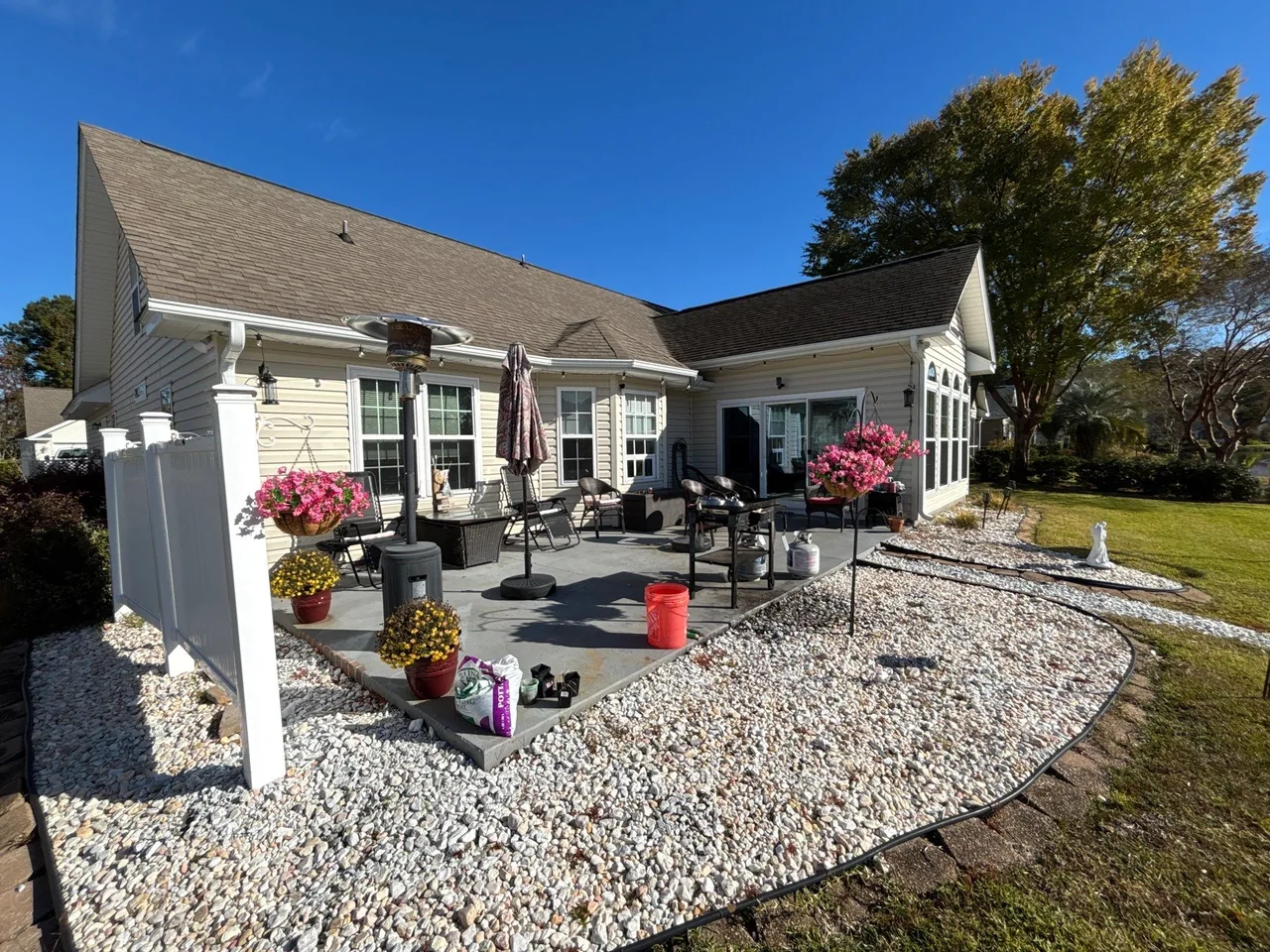
Think about the short trips outside
Project at a glance
- Local example
- Myrtle Beach, South Carolina
- Work
- New deck
- Recorded decking
- TimberTech PRO Terrain
- Layout
- Open deck, steps and covered seating
You may spend less time relaxing on the deck in winter, but you still cross it to reach the yard or take the dog out. That short trip deserves some attention before the next cold spell.
Yes, composite decking can get slippery in freezing weather. TimberTech says so in its care guidance. Less maintenance than wood doesn't mean you can skip the instructions when the weather changes.
You don't have to expect a snowy South Carolina winter to prepare. The State Climatology Office describes both coastal moderation and wintry precipitation in the state. Start with the part of your deck you actually use, then check the care guidance for your boards.
Sources: South Carolina State Climatology Office: Climate of South Carolina · TimberTech: Care & Cleaning
Follow the route from the door to the yard
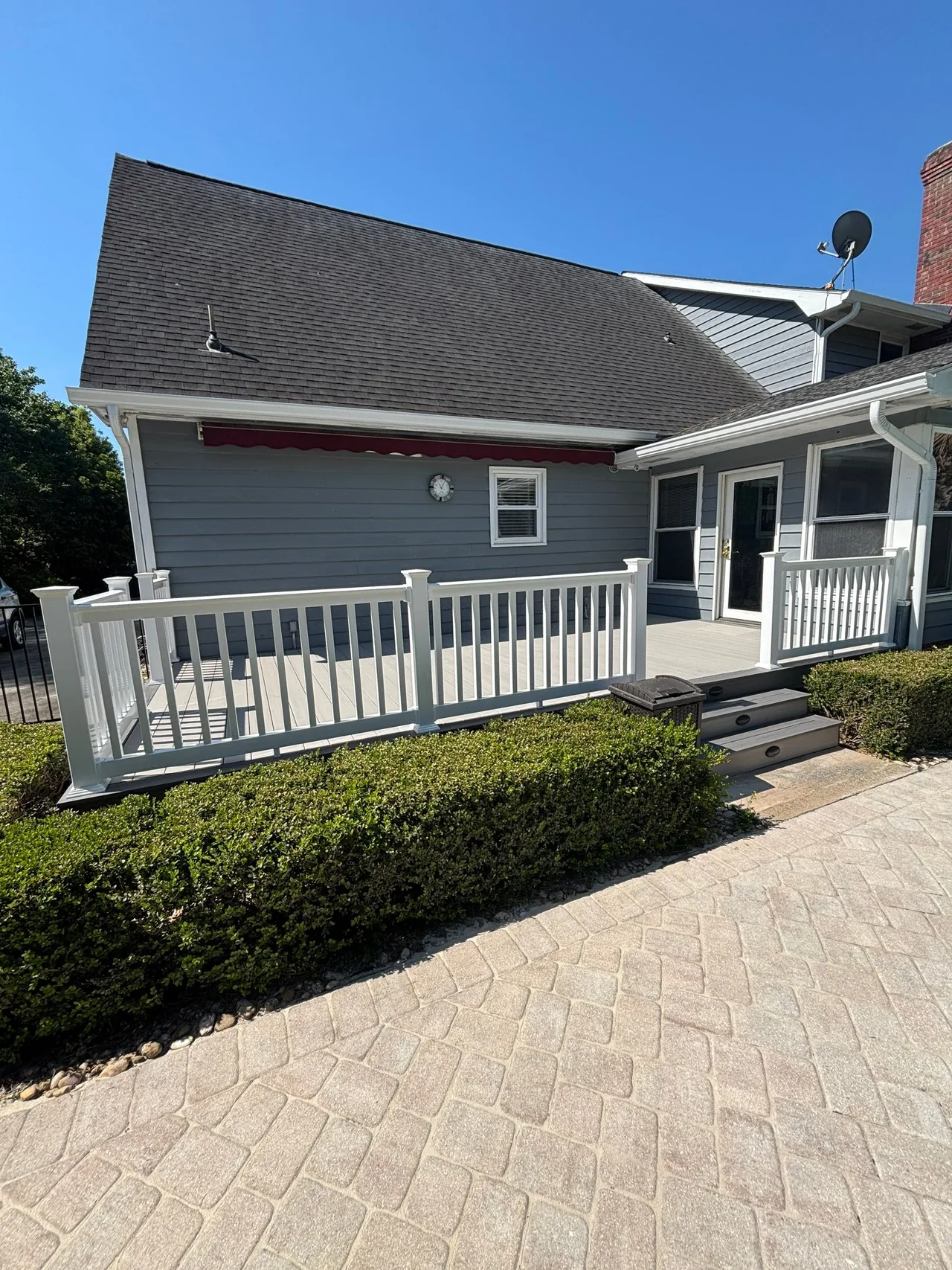
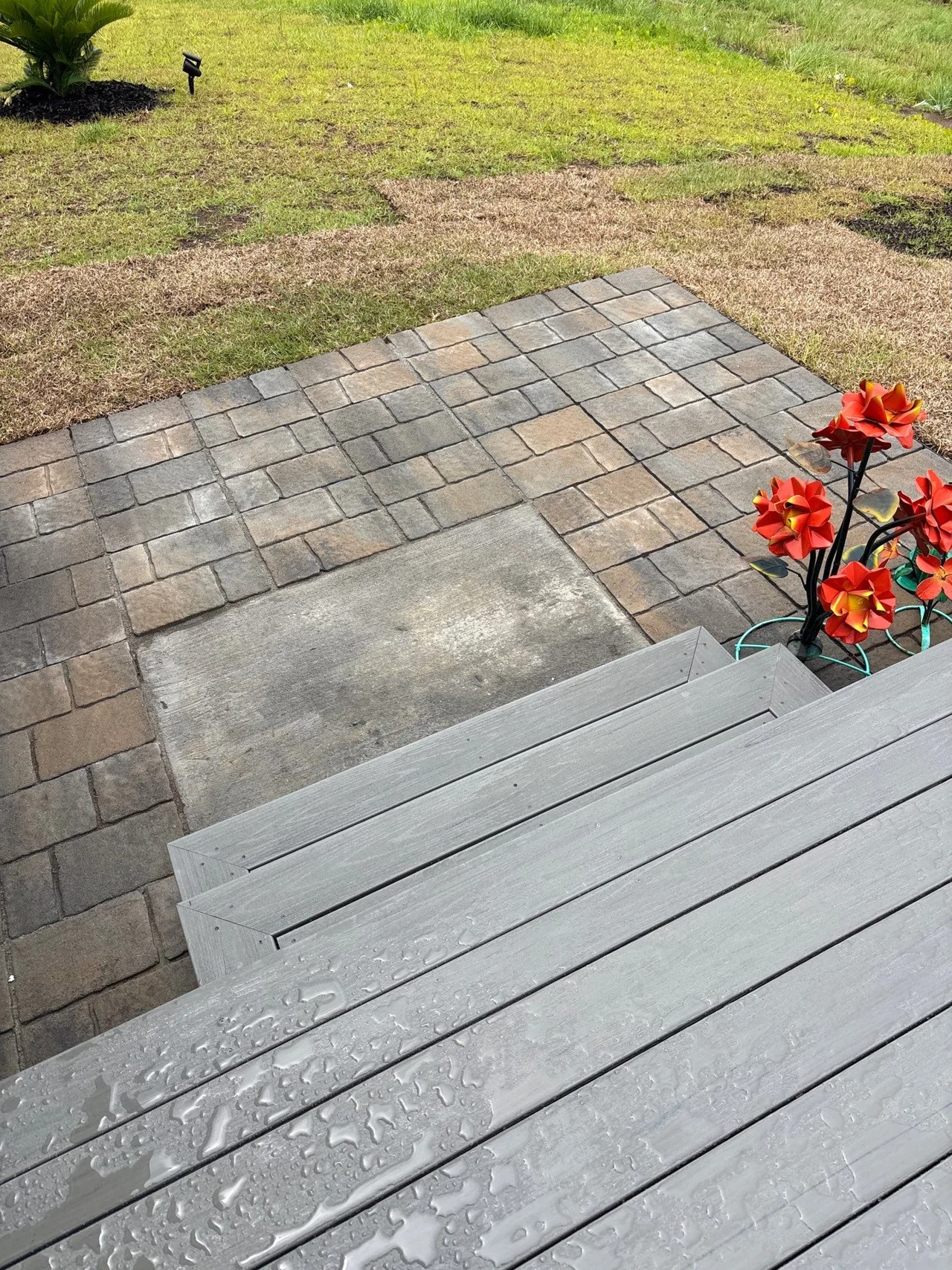
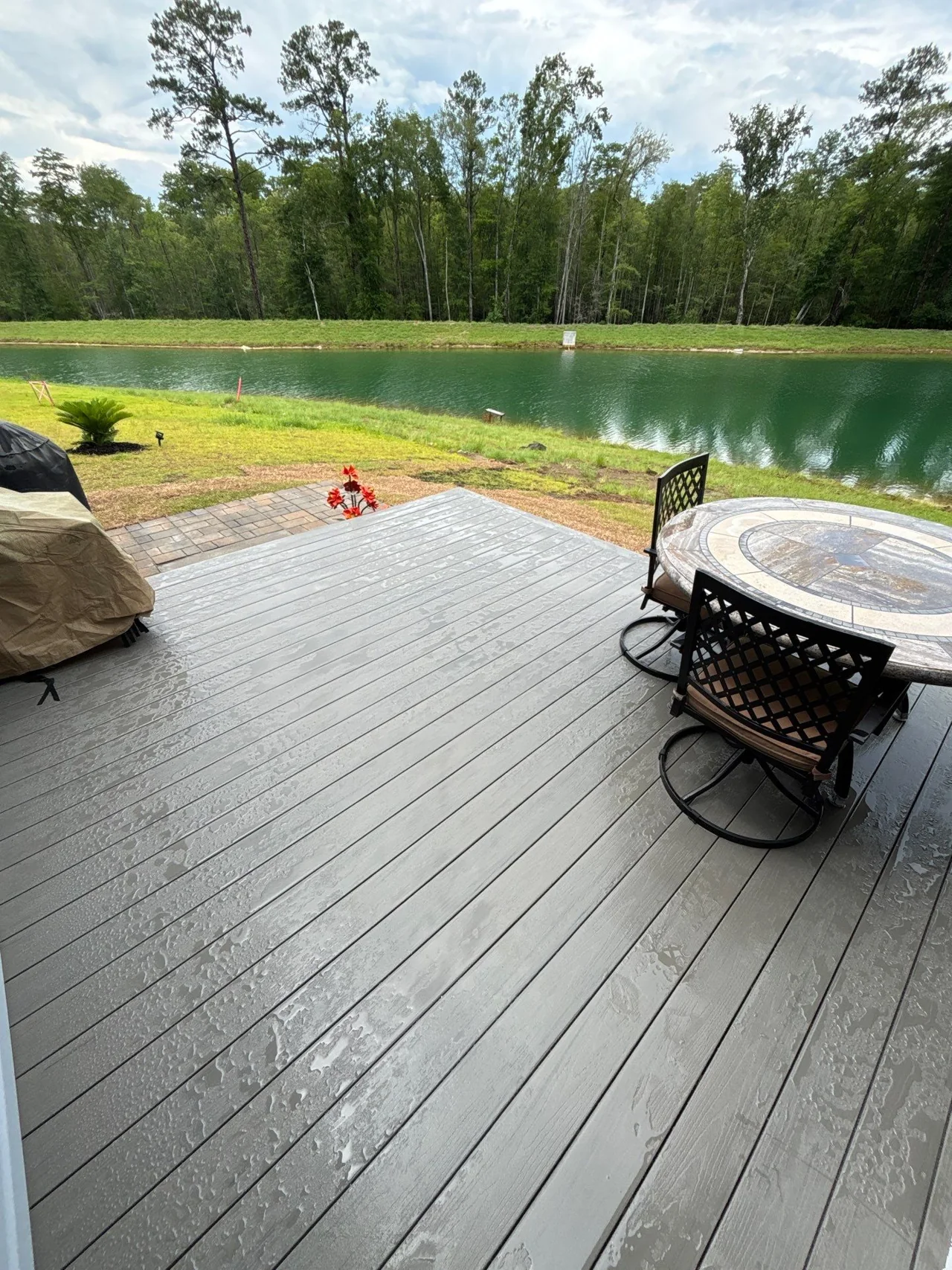
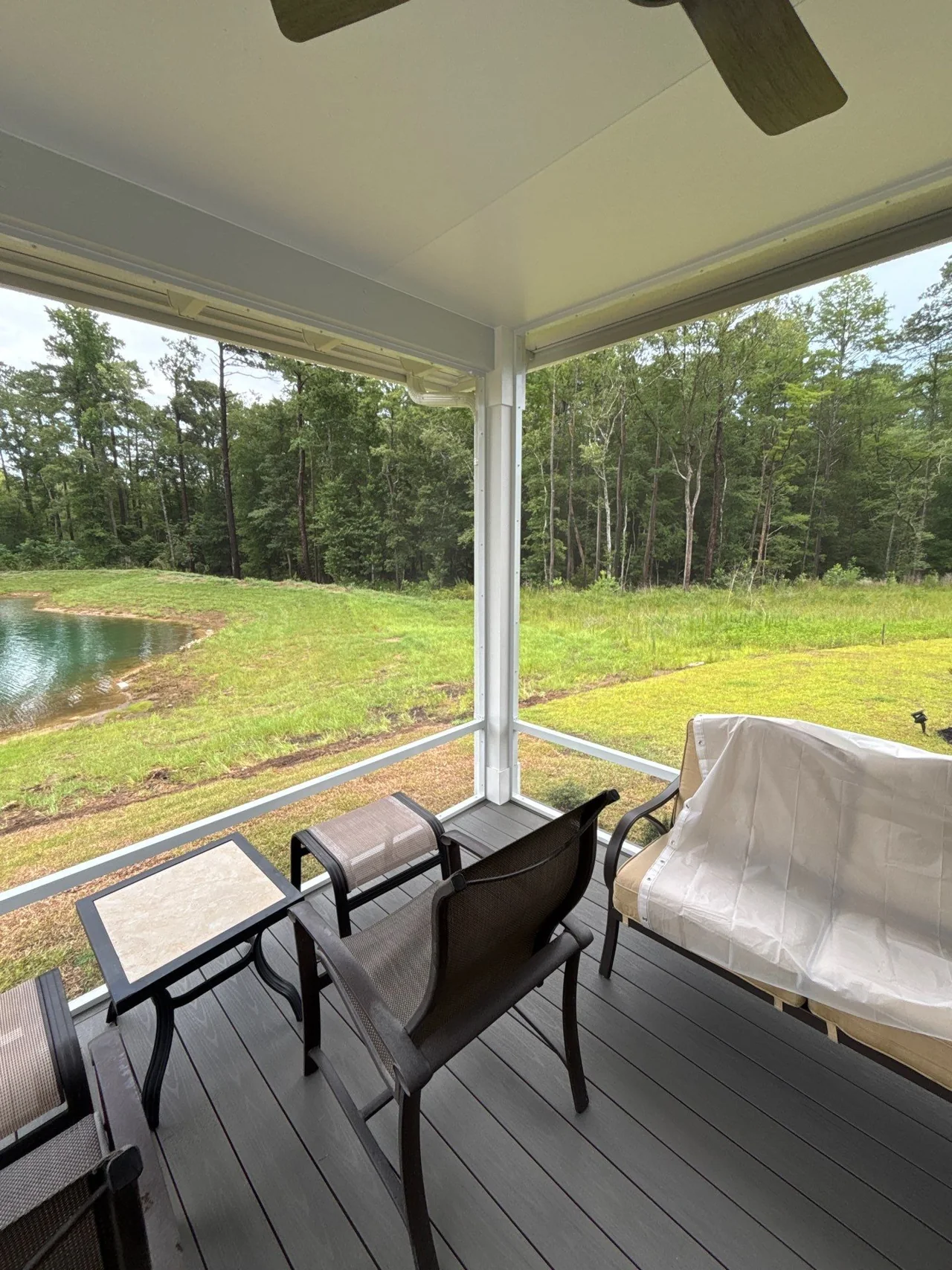
One Myrtle Beach Contract Exteriors deck project brings an open deck, covered seating and steps into the same outdoor space. Its recorded decking is TimberTech PRO Terrain. It's a useful layout to think through because a quick trip to the yard can take you across several different areas.
Picture your own route from the door to the steps. Can you reach the places that need cleaning with the furniture where you normally keep it? Include that access when planning a new deck. This local example illustrates the arrangement; it isn't a record of a winter slipping incident.
If you're still choosing a material, our composite-versus-PVC guide covers that comparison. Whichever you choose, ask for its care instructions before the project is finished.
YOUR HOME. OUR EXPERIENCE.
Thinking about updating your deck?
Talk with Contract Exteriors about your existing deck, material choices and how you want to use the space. Start with a free estimate.
Book Your Free EstimateOur team will call to discuss your project and confirm appointment details.
Check the board before buying the cleaner
Check the board collection before buying a cleaner or ice melt. TimberTech gives different instructions for Composite and Advanced PVC, including different brushes. The instructions for your railings may be different again.
For snow and ice, TimberTech says most products containing calcium chloride can be used without damaging its deck or porch surfaces. It also cautions about residue, abrasive products and metal-edged shovels. Read the complete current guidance and the ice-melt label; protecting the finish isn't a guarantee of safe footing.
Our guide to composite decking under trees explains routine cleaning in more detail. If you're using a pressure washer, check the manufacturer's limited rinsing instructions first rather than treating it as a way to blast dirt off the boards.
Sources: TimberTech: Care & Cleaning Guide · TimberTech: Care & Cleaning
A loose step needs more than cleaning
Cleaning is one job. Dealing with a loose step, movement or deteriorated material is another. If you've noticed a condition that concerns you, have it assessed rather than hoping a wash or new surface boards will sort it out.
When replacement is being discussed, ask what stays underneath and what work is included at the steps and rails. Our rebuild-or-resurface guide explains why two projects with new boards can involve very different work.
You don't need to decide the extent of the job yourself. Describe what you've noticed and ask the contractor to connect the recommendation to that condition.
Plan for ordinary winter use
Before the weather turns, find the care instructions, clear the everyday route and make a note of anything that needs assessment. Choose suitable conditions for cleaning so you don't create another wet or icy surface during a freeze.
For a new deck, discuss the door, steps and furniture together. Our decking resources can help you prepare. Tell Contract Exteriors how you expect to use the space through the year; the right conversation includes the quick trips outside as well as the evenings you plan to spend there.
Another Angle
Read the deck as a sequence of thresholds
The most revealing view of a deck may be the journey across it. A person leaves the house, pauses at the door, moves around a chair, finds the steps and arrives in the yard. Each transition has a purpose. In winter, when outdoor use may be brief and practical, that sequence can become more noticeable than the overall area devoted to entertaining. Our editorial view is that a successful layout makes the everyday route intelligible without asking the visitor to negotiate the furniture arrangement.
The Myrtle Beach example brings an open deck, a covered seating area and steps into the same outdoor setting. Those are distinct spatial conditions, even when they share a decking selection. A roofed area may serve as a place to linger, while the open portion connects people to the yard and view. The design question is how the two cooperate. A larger uncovered platform is not automatically more useful if the most frequent movement still passes through a cramped seating group or an awkward approach to the steps.
Reserve space for movement before furniture
Consider a hypothetical plan before committing to the furniture. Mark the door movement, the normal path to the yard and the space people need to pass someone who is seated. Then place the table and chairs. This is a discussion exercise, not a dimensional code test or a claim that a particular layout is safe. It helps reveal whether the attractive arrangement shown in a sales image can accommodate the activities the homeowner actually expects, including carrying items and reaching the route without moving furniture first.
Sightlines introduce another tradeoff. A table placed to enjoy a pond or garden may occupy the same area that offers the most direct path to the stairs. Shifting it can preserve movement but change the view from the favored chair. That conflict is worth resolving on a plan rather than after construction. Railings, posts and screen divisions can also shape the view; their technical suitability remains a separate assessment. The design objective is a clear hierarchy between the place to sit, the place to pass and the point where the deck meets the landscape.
Judge what the footprint lets you keep
An existing footprint deserves the same scrutiny when replacement is being considered. Keeping its outline can preserve a familiar relationship with the yard and limit the extent of change. It can also preserve an inconvenience that new boards will not address. Our rebuild-or-resurface guide covers the separate question of retained structure. Alongside that assessment, ask whether the retained layout still serves the door, the steps and the way the household now uses the outdoor space. Material condition and spatial usefulness should inform each other without being confused.
A measured winter brief might therefore begin with three priorities: an understandable everyday route, a comfortable place to pause and a view worth keeping. The final material choice and product-specific care plan then support that arrangement. Maintenance access should remain possible after the furniture arrives; the design is incomplete if the space can only be cared for by dismantling its normal use. The strongest result need not be the largest deck or the most elaborate pattern. It is the one whose thresholds, proportions and occupied areas make ordinary movement feel considered throughout the year.
A FEW MORE ANSWERS
Questions homeowners ask
Is composite decking slip-proof?
No. TimberTech warns that its deck and porch surfaces may become slippery in freezing weather. Do not treat low-maintenance material as a guarantee of traction.
Can I use the same cleaner on decking and railings?
Do not assume so. TimberTech publishes different care guidance for decking and railing materials. Identify each product and follow the applicable instructions.
What should I check before using ice melt?
Check the decking manufacturer's current instructions for the exact product and read the ice-melt label. TimberTech's guidance includes limitations on abrasive products and residue; it is not a promise of safe walking conditions.
Can I remove snow with a metal-edged shovel?
TimberTech advises against metal shovels and plastic shovels with metal leading edges because they can damage the surface. Confirm the current directions for your decking before choosing a tool.
Will replacing the deck boards resolve movement?
New surface boards alone do not establish that the retained structure is suitable or resolve the cause of movement. Ask for an assessment and a proposal that separates retained elements from necessary work.
Does a wet deck mean the whole deck needs replacing?
Not by itself. Wetness, care needs and deterioration are different questions. Choose the next step based on the actual material, conditions and assessment rather than appearance alone.
Sources and review
Contract Exteriors project evidence: Internal project records and original CompanyCam photographs support the project examples described in this article. Customer records and identifying details remain private. Project examples are separate from the manufacturer guidance and other published references below.
One Myrtle Beach project supports the documented composite-deck selection and photographed circulation layout. General winter care comes from TimberTech, not a recorded slipping incident or a measured outcome at the featured home.
- TimberTech: Care & Cleaning — Freezing-weather caution and product-specific care distinctions; read October 30, 2026. Manufacturer care guidance, not a property-specific safety assessment.
- TimberTech: Care & Cleaning Guide — Cleaning tools, snow/ice section and maintenance guidance; read October 30, 2026. Apply to the exact product; no measured traction or warranty outcome inferred.
- South Carolina State Climatology Office: Climate of South Carolina — Coastal moderation and statewide winter-weather context; read October 30, 2026. No local event frequency, site forecast or design requirement claimed.
Editorial review details
Reviewed for Contract Exteriors by Bill Schum, Marketing Director, Contract Exteriors, on October 30, 2026. Scope: Editorial oversight, cited-source and project-record checks, photo-originality review, and mobile/desktop presentation checks. Research and editing were supported by AI tools. Design commentary is an editorial perspective, not professional architectural or engineering advice or a property-specific assessment.
Our sourcing and corrections standards · Report a correction
Related planning resources
decking · planning · timbertech · myrtle beach · charleston