Old windows are not automatically failed windows
Project at a glance
- Local example
- Murrells Inlet, South Carolina
- Recorded concern
- Older windows; some would not open
- Requested scope
- Replacement of 12 windows
- Stage
- Replacement inquiry; existing-condition photographs
You don't need to replace a window just because a birthday on the calendar has passed. What matters is whether it works, what condition it's in and whether a reasonable repair can solve the problem. An older window that performs well presents a different decision from one that won't close securely.
Start with what you notice in normal use. Is a sash difficult to move? Does the lock engage? Is the glass visibly damaged? Is there water around the opening after rain? Make a note of the room and the circumstances. Those observations are more useful at an appointment than saying that every window is bad because the house is getting older.
Pella's current replacement guidance identifies operating trouble, visible damage, water intrusion and deteriorating frames among reasons to consider replacement. These are general warning signs, not a diagnosis of your home or a statement that Contract Exteriors offers that brand. Use them to start an assessment, with room for a repair answer where it makes sense.
One local inquiry started with windows that would not open
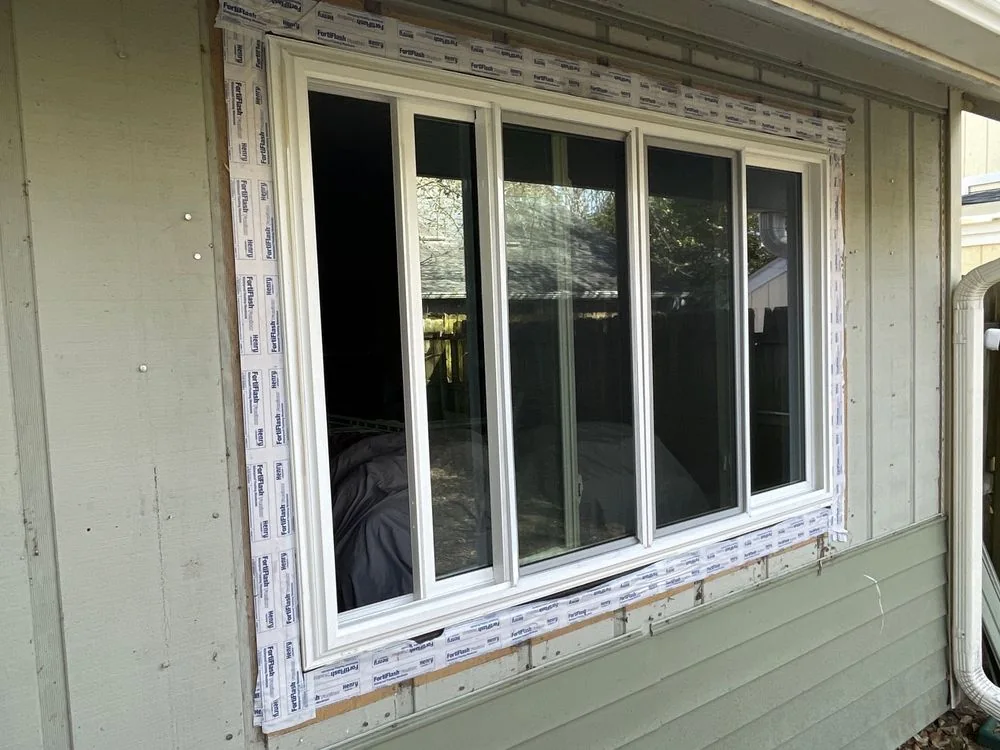
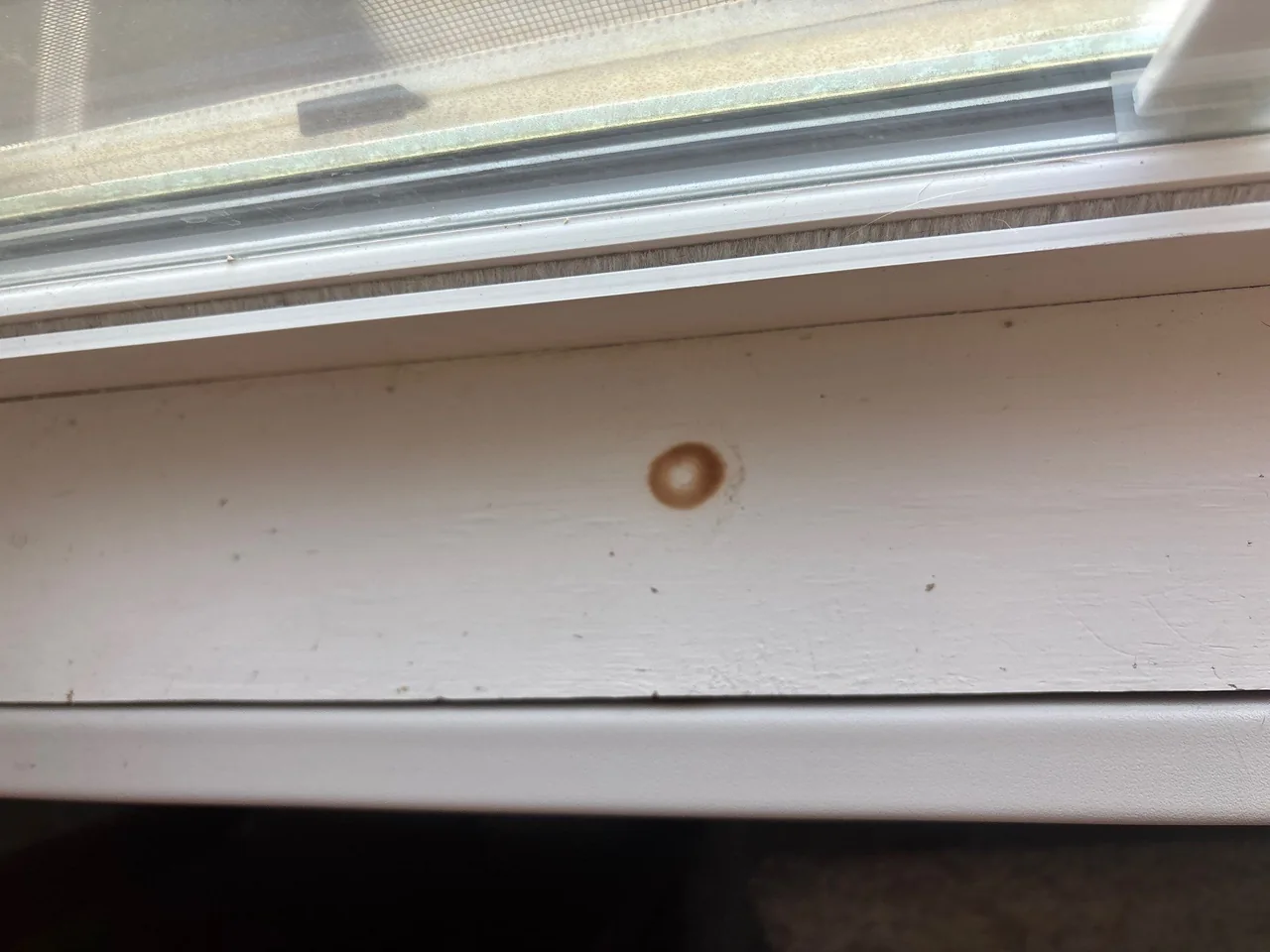
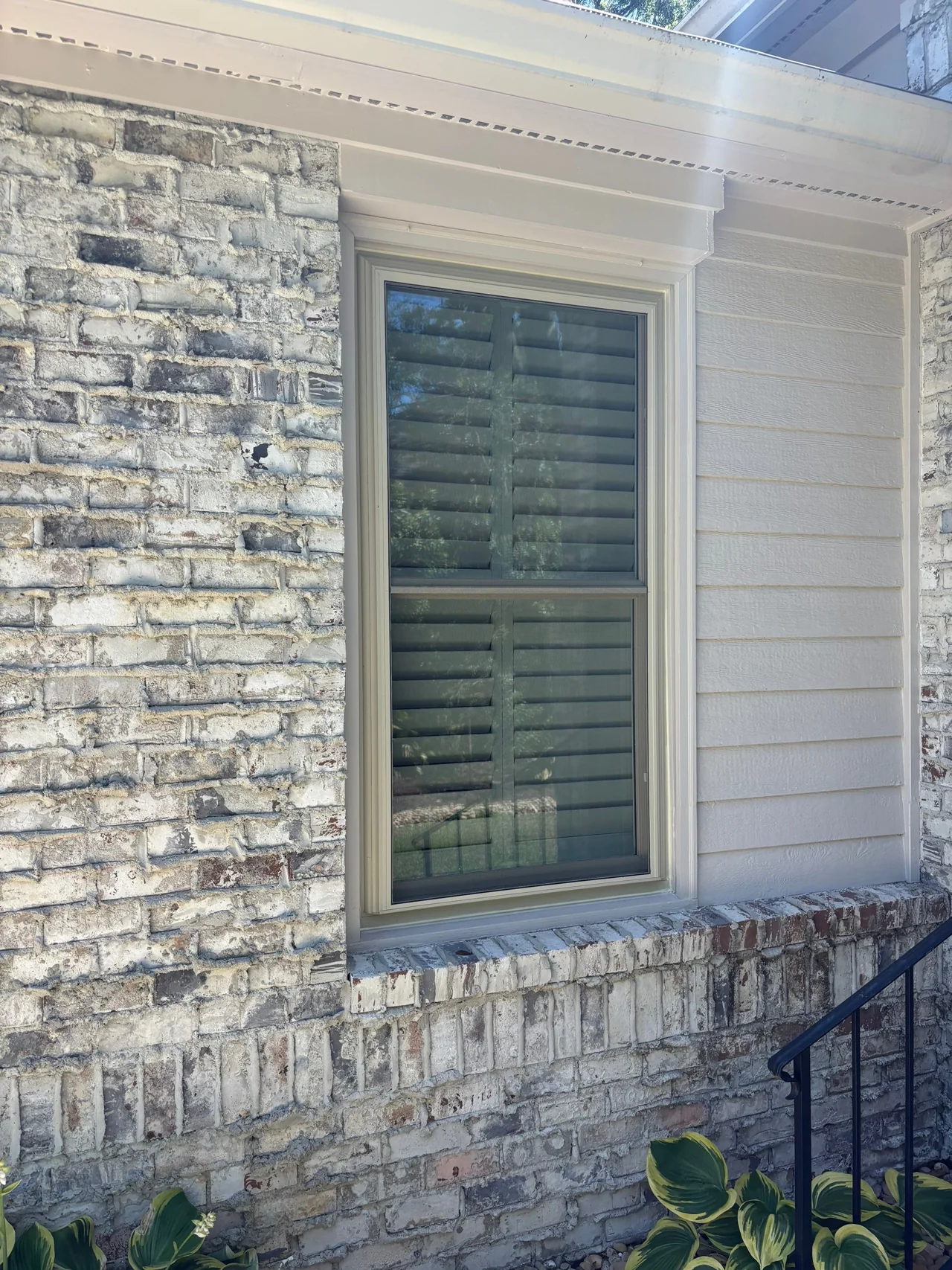
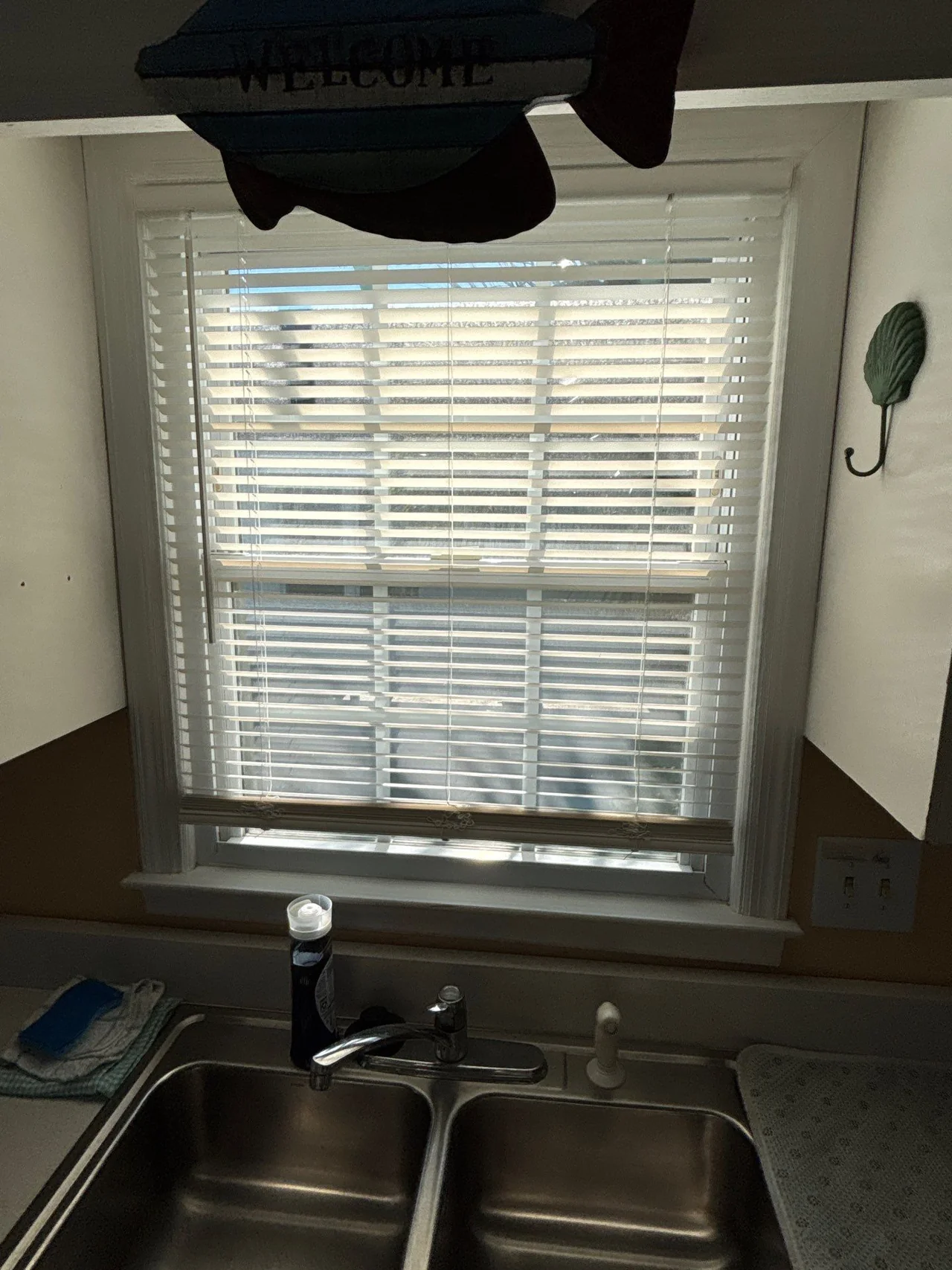
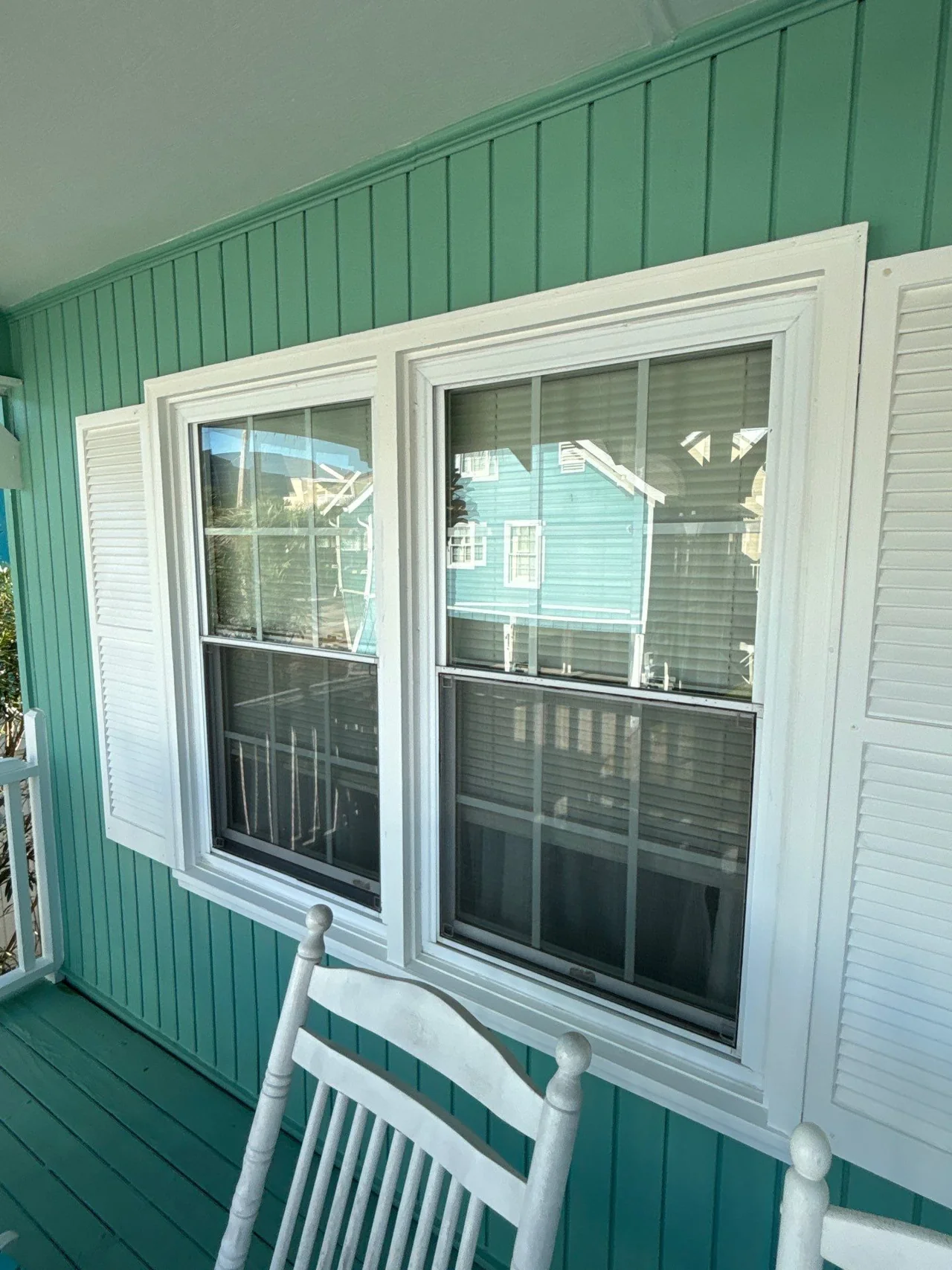
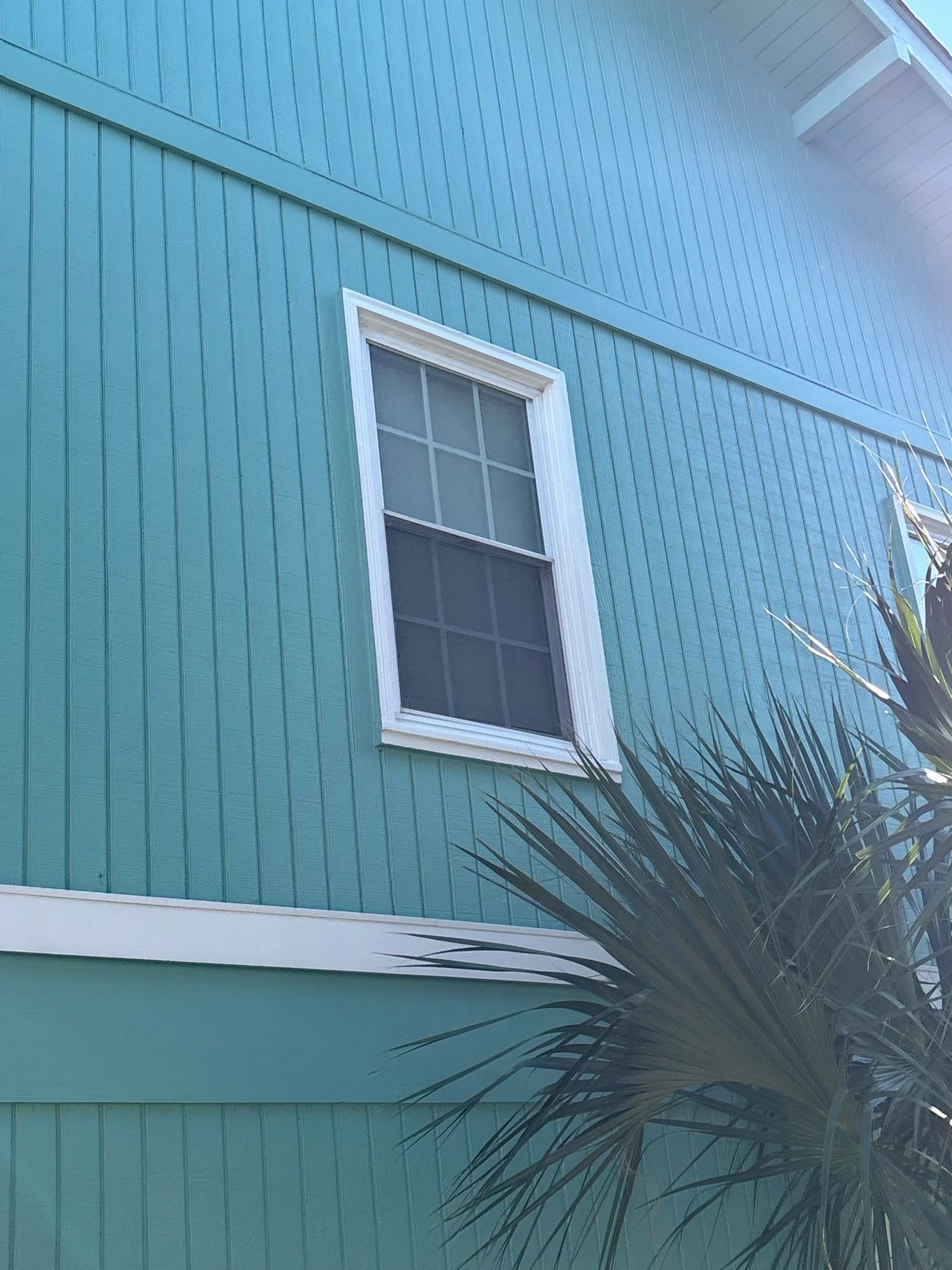
A Murrells Inlet homeowner contacted Contract Exteriors about replacing 12 older windows, reporting that some wouldn't open. The existing photographs show several rooms and exterior openings on the same house. The practical issue was access to normal window operation, not simply choosing a newer color or grille pattern.
That report gives the consultation a clear starting point. Which windows are affected? Do they all have the same problem? Are there other concerns that should be evaluated at the same visit? It doesn't establish why they won't open, that every opening needs replacement or that an installed product has already solved the issue.
For your own home, make the same distinction between the symptom and the solution. Bring a list of the affected windows and explain what happens when you try to use them normally. Don't force a stuck sash or dismantle hardware to collect evidence. A qualified assessment can investigate the cause and explain the available options more safely and usefully.
Operating problems belong near the top of the list
A window should do the job its design is intended to do. For an operable unit, difficulty moving the sash, a failure to stay in position or trouble closing and locking it is worth discussing. A fixed picture window, of course, isn't supposed to open. Compare the problem with the type of window you actually have.
Ask whether a serviceable component could be responsible and whether parts and support remain available. A hardware issue and a deteriorated frame are different situations. Repeated repairs across several openings may lead you toward a broader project, while an isolated repairable concern may call for a different provider or a smaller intervention.
If a window is unstable, broken or cannot be secured, keep people clear and arrange appropriate help rather than continuing to use it. This guide isn't a safety inspection or an emergency repair service. The buying decision can wait until the immediate problem is understood; a product sample is no substitute for dealing with an unsafe condition.
YOUR HOME. OUR EXPERIENCE.
Planning a whole-home window replacement?
Talk with Contract Exteriors about your rooms, window options and the work around each opening. Start with a free estimate.
Book Your Free EstimateOur team will call to discuss your project and confirm appointment details.
Work out where the moisture actually is
Moisture on glass can prompt an immediate assumption that the window has failed. First describe where you see it. Is it on the room-facing surface, on the outside or apparently trapped between panes? Does it wipe away? That distinction helps the professional understand the concern without asking you to diagnose a sealed unit.
Pella distinguishes surface condensation from moisture between insulating-glass panes; between-pane fogging can indicate a seal problem. NFRC's consumer guidance separately explains interior-surface condensation and resistance ratings. Neither observation, by itself, establishes that the entire frame and surrounding wall need replacement. A glass-service option may be worth asking about.
Water entering at or around an opening is another issue again. Note when it happens and where it appears, and have the source assessed. Simply replacing the visible window may not describe all the work needed. Our guide to rot around windows explains why surrounding repairs and the window itself should be addressed explicitly in the proposal.
Sources: Pella: signs to consider window replacement · NFRC Consumer Guide: condensation and ratings
Treat drafts and energy bills as clues, not a verdict
A room that feels uncomfortable deserves attention, but the window may be only one part of the explanation. Describe whether you feel moving air, notice a cold surface or struggle with direct sun. Those are different experiences and can point to different questions about the room and the proposed solution.
Before deciding that all windows must go, ask what could be improved through service or weather sealing and what would remain after that work. If replacement is recommended, ask how the proposed product addresses the actual concern. A general energy-efficient label doesn't explain whether it suits your preferred view, operation and exposure.
Avoid basing the entire purchase on an assumed utility saving. Bills change for many reasons, and this article has no measured before-and-after energy data for the Murrells Inlet inquiry. Our cold-window guide goes deeper on drafts and condensation. Use a replacement proposal to make an informed comfort and condition decision without expecting a promised dollar return from an unrelated household's results.
Decide whether you have one problem or a house-wide pattern
Walk through the rooms and make a simple opening list. Record the current type, the issue you notice and what you want the new arrangement to do. You may find that one concern repeats, or that several rooms need different answers. The purpose isn't to give every window a failing grade; it's to define the actual project.
A whole-home replacement can be an opportunity to coordinate operation, sightlines, finishes and care. It doesn't require identical window styles in every room. A kitchen, bedroom and living room can have different priorities within a consistent plan. Our mixed-window-style guide explains that choice once replacement is the right direction.
Contract Exteriors focuses on whole-home window replacement. If the assessment points to isolated glass repair or service, ask about the appropriate route for that work rather than assuming a whole-home order is the only option. Being clear about the company's project focus helps you seek the service that matches the condition, not turn a small problem into a larger purchase automatically.
YOUR HOME. OUR EXPERIENCE.
Ready to compare your whole-home window options?
Bring your questions about styles, glass, finishes and installation scope to Contract Exteriors. Get help planning the next step for your home.
Book Your Free EstimateOur team will call to discuss your project and confirm appointment details.
Compare repair and replacement on the same problem
When repair is possible, ask what it would address and what condition would remain. Replacing a component may restore operation without changing appearance, glass performance or other worn parts. That can be a perfectly sensible result if it solves the issue you actually have. The repair should be judged against that goal.
For replacement, ask about the window and the surrounding work separately. What happens to interior trim, exterior trim, finishes and any damaged material found at the opening? Which items are included and which need another trade? A low unit price is not enough information to compare with a complete installed scope.
Also identify product and workmanship coverage, the process for reporting a problem and any exclusions relevant to your use. Don't assume a new window guarantees silence, eliminates all condensation or resolves water from another source. A good proposal explains a suitable product and installation scope with realistic boundaries, including how discoveries will be handled before you approve extra work.
Name the improvement you want before choosing the glass
Once replacement is appropriate, turn the original complaints into priorities for the proposal. If operation is the issue, try the sample's controls. If the view matters, compare the visible frame and any grid arrangement. If direct sun is uncomfortable, ask about applicable glass ratings for that exposure instead of assuming the most expensive package solves every concern.
Have the representative explain tradeoffs in language you can use. You may prefer one opening style for ventilation and another for a wide view. These are choices about how the rooms function, not evidence that every current window is defective. Keeping the diagnosis and the design discussion separate helps you approve a replacement because it solves understood problems and suits daily life, rather than because a long feature list sounds impressive.
Book the assessment with a short, useful brief
Bring the room list, photographs of visible concerns and any product labels or repair history already available. Include when leaks or fogging appear and which windows are difficult to operate. Leave risky access, testing and dismantling to the appropriate professional. You don't need to prove the cause before asking for help.
State your priority in everyday terms: you want windows that open normally, a clearer view, fewer repeated repairs or a coordinated update throughout the house. Separate necessary function from optional appearance changes. Then ask which parts of the recommendation solve each concern and whether any issues need investigation beyond the window installation.
For the Murrells Inlet homeowner, non-opening windows were enough reason to start that conversation. For you, the right time may be when repeated trouble is affecting daily use or a specific defect needs attention. Contract Exteriors can discuss a whole-home replacement and its scope. The aim is a reasoned decision about your home, not a purchase triggered by age alone.
Another Angle
A replacement can preserve what is already right
The practical case for replacement may begin with a window that no longer operates properly. The design opportunity should begin elsewhere: with what the room already does well. A view, a useful sill, a balanced opening or the relationship to a porch may deserve preservation even when the window itself changes.
This distinction prevents a common design mistake: treating replacement as a requirement to maximize every feature. More glass, darker frames, fewer divisions and larger openings are not automatically improvements in every setting. Each changes the way the room is experienced. A successful replacement can be quiet, restoring use while retaining the character that made the opening work.
The Murrells Inlet photographs show windows in different domestic settings, including a kitchen opening above the sink and windows beside a covered porch. Those positions offer different views and patterns of use. The value of a coordinated replacement lies in recognizing those differences while establishing a coherent whole, not imposing one identical arrangement everywhere.
Read the opening from the room
From inside, a window is part of the wall composition as well as an opening through it. The visible frame width, divisions and relationship to furniture affect how much attention it attracts. A change that looks modest in an exterior elevation can feel substantial beside a kitchen counter or a frequently occupied chair. The effect should be considered before ordering, while the relationship is still easy to compare and discuss.
This is why the design should be evaluated from the normal viewing position. A sample operated while standing in a showroom explains one kind of experience; a drawing viewed from the room explains another. Ask to understand both. Practical operation and visual balance can support each other, but neither should be assumed from the other.
Existing trim is part of that assessment. Keeping it can preserve a familiar scale and reduce the visual reach of the project. Altering it can create a more intentional new relationship where one is wanted. The important distinction is between deliberate retention and an unexamined boundary. A replacement proposal should make that boundary understandable before finishes are disturbed.
Coordinate without flattening the house
Consistency is useful when it creates a shared language: compatible frame colors, related divisions and a clear approach to retained finishes. It becomes less useful when it erases the differences between rooms. A broad living-room view and an opening over a sink need not perform identical design roles to belong to the same house.
The whole-home plan is an opportunity to identify where repetition matters and where an exception makes sense. An exception should respond to use, proportion or a meaningful view rather than look like an accidental product substitution. Seen this way, coordination is an act of judgment rather than a demand for uniformity.
The technical decision remains grounded in condition, suitable products and the appropriate installation scope. The additional design question is what daily experience should survive that necessary work. Preserving an established relationship can be as valuable as introducing a new look. Replace what needs replacing, then let the opening continue to serve the room with greater intention rather than simply making the upgrade more conspicuous.
A FEW MORE ANSWERS
Questions homeowners ask
Do windows have to be replaced at a certain age?
No single age establishes failure. Condition, operation, available repairs and your goals matter; age provides context rather than an automatic deadline.
Does foggy glass mean the entire window must be replaced?
Not always. Establish whether the moisture is on a surface or between panes, and ask whether glass-unit service is possible and appropriate for the existing frame.
Can a window that will not open be repaired?
Sometimes. The cause, component availability and condition determine the options. Do not force or dismantle it to diagnose the problem yourself.
Will new windows definitely solve a water leak?
Only if the actual source is addressed. The surrounding wall, opening and installation need assessment; a new unit alone is not a diagnosis or a complete repair plan.
Should every replacement window be the same style?
No. Coordinate the whole house while choosing suitable operation and layout for each room. Confirm applicable requirements for each opening with the responsible professional.
Does Contract Exteriors handle whole-home window projects?
Yes, whole-home replacement is the focus. If you need isolated glass or hardware service, ask about the appropriate service route rather than assuming a complete replacement is necessary.
Sources and review
Contract Exteriors project evidence: Internal project records and original CompanyCam photographs support the project examples described in this article. Customer records and identifying details remain private. Project examples are separate from the manufacturer guidance and other published references below.
Actual Contract Exteriors request and original existing-condition photographs privately matched to the same property. Requested work is separated from selected products and completed results; private customer details omitted.
- Contract Exteriors project evidence — Private request and original existing-condition photographs matched to the same property. Public link opens the company portfolio, not private customer records.
- Pella: signs to consider window replacement
- NFRC Consumer Guide: condensation and ratings
Editorial review details
Reviewed for Contract Exteriors by Bill Schum, Marketing Director, Contract Exteriors, on November 16, 2026. Scope: Editorial oversight, source and project-record checks, photo-originality review, and mobile/desktop presentation checks. Research and editing were supported by AI tools. Design commentary reflects an editorial perspective and does not constitute professional architectural or engineering advice or a property-specific site assessment.
Our sourcing and corrections standards · Report a correction