
Cold Windows: Drafts, Glass and Condensation
Quick answer
If a window feels cold, start by noticing where you feel it and whether you see moisture. Cold glass, moving air and condensation each give the person checking the window a different place to start.
Try this. Before you price replacement windows, ask the person inspecting the opening to show you where the problem appears to start. Then ask how the proposed work would address it.
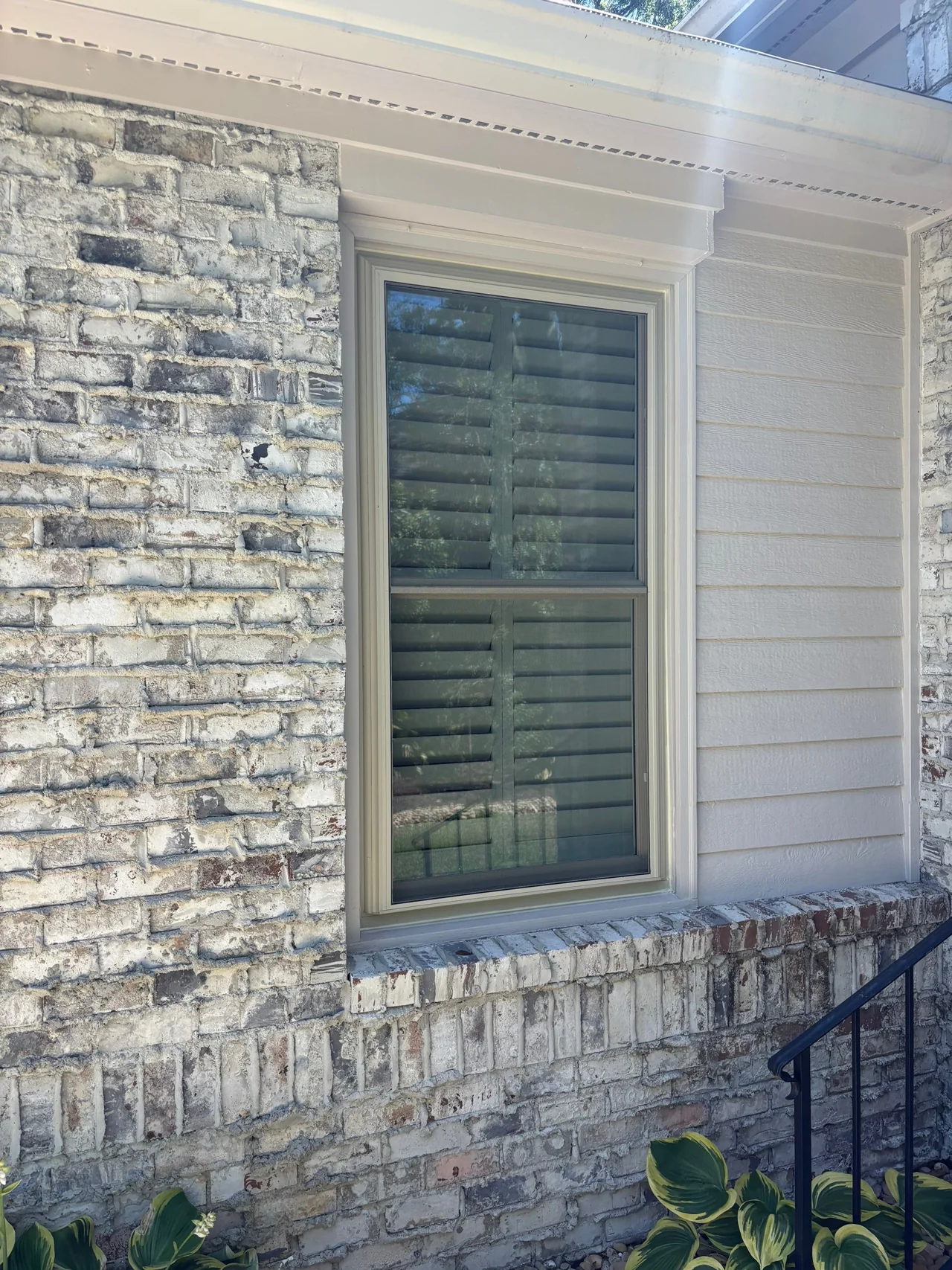
From the project. The first three images show a Myrtle Beach window project. The last two show interior and exterior opening details during work at a different Myrtle Beach property. Project sources
Project photos by Contract Exteriors Myrtle Beach, South Carolina
Read the full article TranscriptRelated videos
All videos
Related articles
All articlesVideo transcript
If a window feels cold, start by noticing where you feel it and whether you see moisture. Cold glass, moving air and condensation each give the person checking the window a different place to start.
These first views show windows at one Myrtle Beach home. At your own window, note whether the chill is near the middle of the glass or along the edge. Check whether it closes and latches normally.
If you see moisture, write down where it appears and when. Water you can wipe off from inside the room is a different observation from fog you can see between the panes.
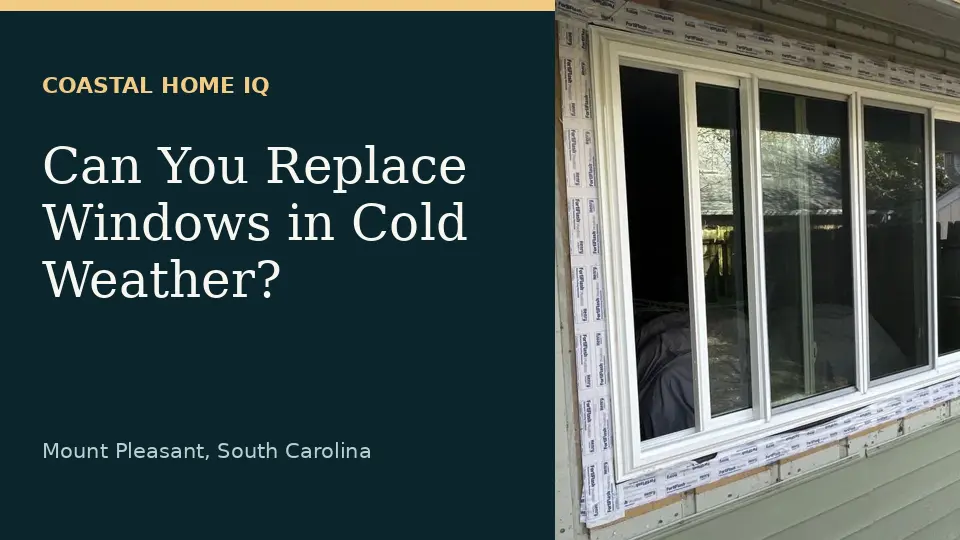
Here is another Myrtle Beach window project during installation. It shows why the area around the window belongs in the conversation too. When you book an assessment, explain where you felt a draft or saw moisture.
Before you price replacement windows, ask the person inspecting the opening to show you where the problem appears to start. Then ask how the proposed work would address it.

YOUR HOME. YOUR NEXT CHAPTER.
Bring your plans
to life.
Fresh siding. A deck made for gathering. A home that feels more like you. Talk through your ideas with a Contract Exteriors expert and find the right next step for your home.
Speak to an ExpertContract Exteriors will call to discuss your project and confirm appointment details.